
Impact of Trump-Xi Meeting on Canada and India
Trade diplomacy does spill into security behavior. If Beijing feels less boxed in by Washington, it may act with more confidence elsewhere. For India, that means the Himalayan border remains a live risk
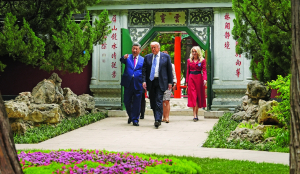
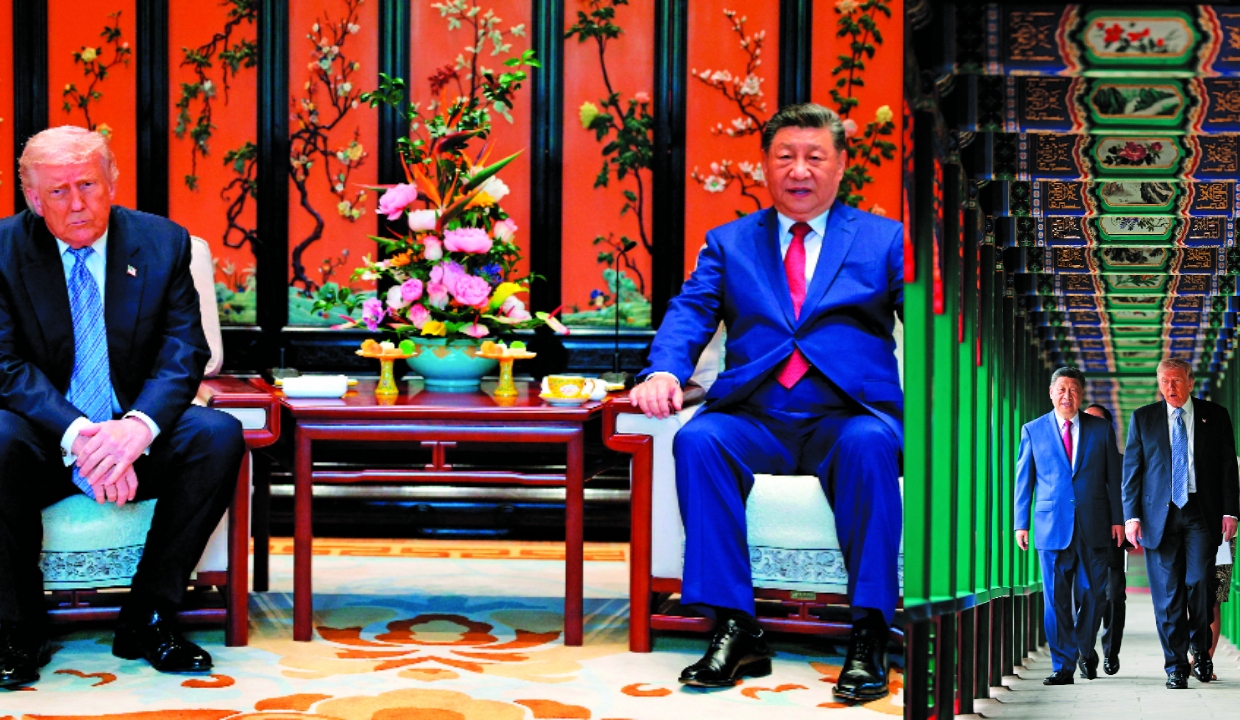
Trump’s China visit, his first in-person meeting with Xi since Busan in October 2025, come after tariff fights, mineral controls, and seven rounds of talks. Canada and India are not side stories here. Canada faces trade pressure and USMCA stress, while India faces a different test: its strategic weight, manufacturing gains, and energy security.
A softer tone between Washington and Beijing can calm markets. It can also narrow the room that middle powers use to bargain. The meeting matters less for what is announced than for what it tells others about US priorities.
Why the Trump-Xi meeting matters beyond Washington and Beijing
A bilateral summit between the US and China rarely stays bilateral for long. Tariff policy, investor confidence, shipping routes, and security planning all move when the two largest powers change tone.
The current backdrop is fragile. US tariffs on Chinese goods still sit at steep levels, China has pushed back with mineral controls, and both sides want a stable pause more than a grand fix. That kind of pause can ease pressure in the short term. It can also change who gets called first when Washington needs support or when Beijing wants relief. A calmer US-China tone can reduce market stress, but it can also pull US attention toward China and away from allies.
A calmer US - China tone can still shift global power balances
When Washington spends less time containing immediate China risk, it often spends more time managing China directly. That can lower noise in markets, but it can also reduce the urgency behind allied coordination.
For Canada and India, the effect is indirect but real. If the White House feels less pressure from a trade war, it may become more selective with partners. Middle powers then lose some of the attention that comes from great-power tension. In practice, that means less room to press their own concerns at the same time.
Why middle powers feel the impact first
Canada and India absorb second-order effects before they see any headline deal. Tariffs shift supply chains. Shipping costs move. Diplomatic talk changes.
Canada depends on the US for about three-quarters of its exports, so any US shift lands fast. India depends on access, investment, and stable energy prices, so its shock comes through factories, fuel, and regional security. Neither country controls the US-China file, yet both pay for the outcome.
What the summit could mean for Canada’s economy
Canada enters this moment with limited room to absorb more trade friction. The US is still its dominant market, China remains a major trade partner, and Ottawa already faces pressure from tariff disputes and the coming USMCA review.
If Trump and Xi find a workable pause, Washington may feel less need to manage multiple trade fights at once. That can make the climate tougher for Ottawa, because a US administration with fewer urgent fires often becomes more exacting on smaller ones.
USMCA talks could become tougher for Ottawa
A smoother US-China track could give Washington more space to press Canada on familiar pain points. Dairy access, rules of origin, digital policy, and industrial standards all sit on the table.
Canada usually does better when Washington wants speed over detail. If the White House decides its larger strategic fight is elsewhere, Ottawa may face a harder mood and a colder read on concessions. That would matter even if no fresh tariff threat appears.
Canadian exporters could face more competition if China and the US ease tensions
A thaw can also revive Chinese purchases of US farm goods. That would tighten competition for Canadian wheat, canola, and other commodity exports. The pressure would not stop at agriculture. It would also reach metals, machinery, and transport links tied to Asian demand.
If US - China trade flows normalise, Canada loses some of the advantage that came from being a safer fallback supplier. That matters in Asia, where buyers care about price, consistency, and access. A more settled US-China channel can make Canadian goods look less urgent.
Why Canada may need a faster diversification strategy
Ottawa has talked for years about widening trade beyond the US That talk matters more when the world gets less predictable. Deeper ties with Europe and Asia are not a headline fix. They are a buffer. The point is simple: Canada needs more than one trade lane if it wants less exposure to Washington’s shifts.
How India could be affected by a possible US-China reset
India faces a sharper strategic question. Washington has treated New Delhi as a key counterweight to Beijing in the Indo-Pacific. If the US and China lower the temperature, India can lose some of that special status at the margin. That does not erase India’s importance. It does mean the value of that importance can change fast if Trump and Xi reach a practical understanding. India’s value as a counterweight to China could be reduced
A US-China accommodation can create a two-power feel that leaves less room for middle powers. For India, that is the central risk. If Washington and Beijing decide to manage rivalry instead of intensifying it, the US may lean less heavily on India in every diplomatic room. That would matter in defence talks, Indo-Pacific planning, and pressure on Beijing over Taiwan or maritime behaviour. India would still matter, but the urgency around India could soften.
Manufacturing shifts from China may slow down
The China plus One trend has helped pull supply chains toward India. Phone assembly, electronics, and parts production have all benefited from companies wanting backup capacity outside China. A US-China thaw can slow that flow. If tariffs ease or market access improves, some US firms may keep more production in China longer. That would dull the momentum India has gained in manufacturing. It would also sharpen price pressure on Indian factories if Chinese exports surge again.
Border pressure and regional security could become harder to manage
Trade diplomacy does spill into security behavior. If Beijing feels less boxed in by Washington, it may act with more confidence elsewhere. For India, that means the Himalayan border remains a live risk. It does not mean conflict is automatic. It does mean a looser US-China deal can leave Beijing with less outside pressure, which can change how it calculates force and timing. New Delhi has already tried to hedge by reopening channels with China, including direct flights and visa easing, while keeping multilateral contact alive through forums like the SCO and BRICS.
Energy prices, currency pressure, and the wider market response
The market reaction may be the most immediate part of this meeting. Oil, metals, shipping, and currency traders all care whether Washington and Beijing settle on clearer rules.
Lower tension usually helps commodity prices become more predictable. That matters for Canada, which relies on resource exports, and for India, which imports most of its energy.
Why lower trade tension can calm commodity markets
When tariff shocks fade, shipping risk often falls with them. That can steady oil and metal prices. For Canada, steadier markets help resource producers plan ahead. For India, they can ease the pressure of a heavy import bill.
A calmer summit does not solve the problem, but it can keep fuel costs from jumping again.
What remains risky for India and Canada even if markets settle?
Stable markets do not erase structural weakness. Canada still depends on the US market more than it should. India still depends on imported energy and on trade routes that can be disrupted by Middle East conflict, including pressure around the Strait of Hormuz.
That is why a summit can look calm on TV while leaving both countries exposed underneath. A lower risk price in markets is not the same thing as real safety. In the End -the Trump-Xi meeting in Beijing is not only a US-China story. It is a test of how much room Canada and India will have in a world shaped by great-power bargaining. Canada faces pressure on trade terms and market access. India faces pressure on strategic relevance, manufacturing gains, and energy security. The biggest effect may not be dramatic at all. It may be a slow tightening or loosening of the space both countries have to act on their own terms.
Veteran journalist and freelance writer based in Brampton Canada; Views presented are personal.