
World Environment Day: Nature, climate change and the path forward
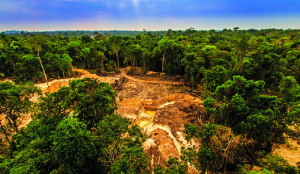
World Environment Day serves as a reminder of the shared responsibility to protect nature, restore ecosystems and build a cleaner, greener and healthier future for generations to come
Historically, one invention and one discovery have led to many of the consequences humanity faces today. These are the invention of the wheel and the discovery of fire. While not the only causes, they represent the beginning of human interventions that have ultimately contributed to present-day climate change, much of which is anthropogenic or human-induced. Alongside natural factors, these activities have resulted in environmental impacts with both positive and negative consequences for living beings.
Awareness of the causes of climate change, its consequences, and the measures required to address both its drivers and impacts is widespread. Yet, collective action continues to fall short of the urgency demanded by the situation.
The answer perhaps lies in Indian scriptures and philosophy, which advocate not only respect for nature but also its worship. The sun, soil, Mother Earth, rivers, stars and planets have traditionally been revered as life-supporting forces. Ironically, human beings, often regarded as the perpetrators of environmental degradation, are increasingly becoming its victims.
As per the Environment (Protection) Act, 1986, "environment" includes water, air and land, and the interrelationship that exists among and between water, air, land, human beings, other living creatures, plants, micro-organisms and property. This definition highlights that environmental protection is not merely about conserving individual natural resources but about maintaining the delicate balance that sustains all life on Earth.
Though the subject of the environment falls in the residuary list under the Constitution of India, allowing legislation primarily by the Central Government, states have made notable strides in the fields of environment and forestry.
For our country, where ecology and economy are closely intertwined, environmental challenges directly affect agriculture, tourism, water security and public health. Ignoring these challenges would mean compromising livelihoods and the interests of future generations. Despite its strong environmental credentials, India is not immune to emerging environmental pressures.
To meet these ever-evolving challenges, there is a strong need for scientific advancement in the technologies being used across industries. The country's leading research institutions, including IITs, IISc, IARI and CSIR, could jointly participate in developing indigenous technologies, taking into account the priorities of material and energy security, co-developmental benefits, and a life-cycle approach to understanding environmental and social impacts. Such collaborative efforts can be directed towards addressing industrial pollution and promoting the scientific disposal and management of solid, hazardous, biomedical and e-waste.
While adopting global technological trends, attention must also be directed towards the adverse environmental impacts of such technologies throughout their life cycle of production, usage and disposal, eg, solar power and electric vehicles. To highlight just one example, the environmental implications of the increasing adoption of electric vehicles merit careful consideration, as their usage increases dependence on imports of batteries and rare-earth elements, while their substantially higher weight compared to conventional vehicles may contribute to greater road wear and associated particulate pollution.
Financing technological infusion is a major challenge. Besides government support, effective planning to facilitate participation in international environmental derivatives markets, e.g., the Voluntary Carbon Market, the Article 6 mechanism of the UNFCCC, CBAM and CORSIA, will help leverage green finance. Carbon capture, especially to effectively channelise the country's vast bio-resources for biochar and other such BECCS, offers significant opportunities for sustainable development and climate resilience.
To meet these ever-evolving environmental challenges, there is a pressing need for scientific advancement and innovation across industries. Equally important are Nature-Based Solutions, which offer effective pathways for both climate adaptation and mitigation, addressing the immediate needs of economic development and community resilience. These sustainable approaches protect, restore and manage natural ecosystems, helping address environmental, social and economic challenges while enhancing climate resilience.
Alongside these initiatives, policy measures that promote sustainable domestic production of resources such as timber can reduce import dependence, conserve foreign exchange and minimise transportation-related carbon emissions. Environmental protection is not the responsibility of governments alone. Every citizen has a role to play. Conserving water, reducing waste, planting trees, adopting clean energy and supporting sustainable lifestyles are small actions that collectively create a significant impact.
Each and every action of human beings contributes to climate change, which results in an increase in average temperatures, changes in rainfall patterns in terms of intensity and distribution, and the onslaught of heatwaves. Holistically, it is not practically feasible to completely eliminate the impacts of climate change, but the only way forward is to reduce the pace of climate change and its resultant impacts on living beings and other entities.
World Environment Day serves as a reminder of the shared responsibility to protect nature, restore ecosystems and build a cleaner, greener and healthier future for generations to come.
To meet these ever-evolving environmental challenges, there is a pressing need for scientific advancement and innovation across industries. Equally important are Nature-Based Solutions, which offer effective pathways for both climate adaptation and mitigation, addressing the immediate needs of economic development and community resilience
The writer is Secretary Environment, Science Technology and Climate Change Government of Himachal Pradesh; Views presented are personal.