
India successfully tests LRLACM Cruise Missile in Odisha, Nirbhay Successor hits 1000 km target
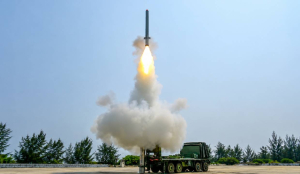
India has successfully conducted a “textbook” test firing of its Long Range Land Attack Cruise Missile (LRLACM) from the Integrated Test Range at Chandipur off the Odisha coast, marking a significant milestone in the country’s indigenous missile development programme.
The missile, described as a successor to the earlier Nirbhay cruise missile project, reportedly struck its target at a range of around 1,000 kilometres during the test conducted on June 15. Developed by the Defence Research and Development Organisation (DRDO), the LRLACM is designed for long-range, low-altitude precision strikes against land-based targets.
Officials said the missile incorporates improved guidance and navigation systems along with enhanced reliability compared to earlier Nirbhay variants, which faced multiple developmental challenges in the past. The successful trial is seen as a major step forward in resolving those technical issues.
The subsonic cruise missile, capable of flying at low radar-detectable altitudes, is expected to be deployed across multiple platforms after completing additional developmental and user trials over the next two years. It carries a high-explosive payload and is designed to bypass enemy air defences through terrain-hugging flight paths.
According to defence sources, the LRLACM strengthens India’s strategic deterrence capability, placing it in a category comparable to advanced long-range cruise missiles used by leading military powers.
Further trials are planned before the system is formally inducted into the Indian armed forces, marking a key addition to India’s growing indigenous defence arsenal.