
How real responsibility builds student confidence
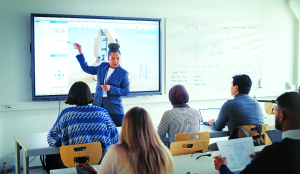
As higher education evolves, universities are looking beyond classrooms and conventional degrees to prepare students for a changing world. The discussion explores practical learning, industry exposure, global experiences, AI, student well-being and the need to bring fresh talent and real-world experience into teaching.
What kind of campus environment do you believe helps students grow beyond academics, especially in confidence, communication and decision-making?
Students grow the most when we hand them real responsibility, not just advice about it. When they plan and run the budgets for events and academic activities, and reach out to bring outside experts into their own classrooms, they
learn to deal with people, negotiate and think on their feet. That is where real confidence and communication come from.
Apart from a degree, what should a university genuinely provide students to prepare them for the realities of the workplace?
A degree only takes a student so far. What prepares them for the workplace is exposure to real business situations, case studies, time with industry professionals, and involvement with young companies still finding their footing. Students need to work in teams, take charge of something end to end, and adjust when things don’t go as expected.
As Vice Chancellor, how do you balance academic excellence with exposure to industry, entrepreneurship and real-world problem-solving?
I have tried to weave this into how we teach rather than treat it as something extra. Our approach rests on knowing, being and doing, so students work on live cases, meet the people behind them, and compete in settings that test their judgement. We have set up labs with well-known industry partners so students learn by doing, not just watching. For those keen on entrepreneurship, we connect them with mentors and investors.
How important is the right support system for students’ mental well-being, and what role should universities play?
This is one of the most important things a university has to get right. Students today often carry less resilience for setbacks than earlier generations did, and many genuinely treat the university as home. That places a real responsibility on us to look after their emotional well-being, not just academics. At Symbiosis, we run the Symbiosis Centre for Emotional Wellbeing across our campuses, offering confidential counselling and a helpline, so students know where to turn before things get difficult.
With AI entering almost every profession, should colleges teach students to use AI as a tool or prepare them for larger career changes?
We cannot pick one over the other; both need attention at once. Students already use tools like ChatGPT, Gemini, Claude, Grok and Perplexity in their day-to-day work, whether or not an institution has a policy in place. What matters is teaching them to use these tools with judgement, to notice when something is wrong, and to check facts before trusting them. We have set up AI labs for undergraduates for this reason, and faculty need the same grounding.
What do students gain from global exposure that they cannot get inside a classroom?
Culture is not something you can teach from behind a lectern; it has to be lived. When students spend time among people from different countries, languages and backgrounds, they rethink how they communicate and work with others, and no lecture can replicate that. A classroom gives knowledge, but only real exposure gives real experience.
What does it really take to build a sustainable business in today’s competitive, AI-driven environment?
It starts with choosing the right problem and staying committed to solving it, rather than chasing whatever seems profitable. The strongest solutions tend to be simple and affordable, since complexity is usually where sustainability falls apart. Businesses built around real social needs can do particularly well. I tell students to study entrepreneurs who failed as closely as those who succeeded, because failure teaches things success often hides.
What one change in higher education would make the biggest difference to the student experience?
I would like to see more experienced professionals and bright young graduates choosing teaching as a serious career. When fewer than one per cent of MBA or engineering students want to teach, every administrator should worry about that. Without capable, accomplished people entering the classroom, real change in higher education will stay difficult. Fresh talent bringing real experience into teaching does more for quality than any new building could.