
EAM S Jaishankar pushes for UN reforms at BRICS Summit
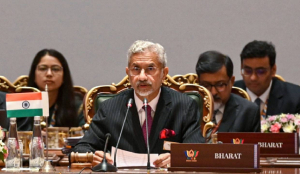
External Affairs Minister S. Jaishankar on Friday called for urgent reforms in global governance institutions during the BRICS session on “Reforms of Global Governance and the Multilateral System”.
Addressing leaders and delegates at the BRICS meeting, Jaishankar said the current multilateral framework has failed to keep pace with the realities of an interconnected and multipolar world. He stressed that reform of global institutions was now a necessity rather than a choice.
“The structures that underpin global governance have not kept pace with these changes,” Jaishankar said, highlighting concerns over declining trust and inefficiencies in global decision-making systems.
Reiterating India’s long-standing position on “reformed multilateralism”, he said institutions such as the United Nations must better reflect present-day realities and the aspirations of emerging economies and developing nations.
Calling UN reform central to this process, Jaishankar said the Security Council still reflects “an earlier era” despite the expansion of the UN’s membership and responsibilities over the decades.
He urged meaningful reforms, including expansion in both permanent and non-permanent categories of the Security Council, while demanding greater representation for Asia, Africa and Latin America.
Jaishankar also pushed for progress in the ongoing Inter-Governmental Negotiations process on Security Council reforms and said discussions should now move towards text-based negotiations.
Referring to BRICS discussions during the Johannesburg Summit, he said the grouping had consistently supported reforms in global governance structures.
The minister also highlighted the need to reform international financial institutions and multilateral development banks to make them more responsive to global challenges such as supply chain disruptions, food insecurity and climate finance needs.
On global trade, Jaishankar stressed that the multilateral trading system should remain rules-based, fair and inclusive, with the World Trade Organization at its core.
He also warned against risks arising from non-market practices, concentration of supply chains and unequal market access.
In his concluding remarks, Jaishankar said the current global situation underscored the urgent need for cooperation, dialogue and reforms aimed at building a more democratic and equitable international order.