
CBSE Three-Language Policy Faces Parent Backlash as Schools Struggle With Teacher Shortage
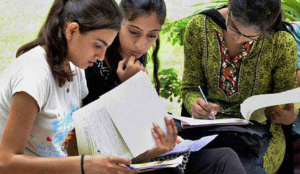
The implementation of CBSE’s revised three-language policy has sparked concerns among parents and schools across several cities, with many questioning the timing and practical challenges of the move.
Schools are reportedly facing difficulties in arranging qualified teachers while parents worry that the sudden changes could increase academic pressure on students.
Under the new framework aligned with the National Education Policy (NEP), students in Classes 9 and 10 are required to study three languages, with at least two being Indian languages.
The policy aims to encourage multilingual learning and strengthen cultural understanding.
However, many schools argue that implementation has come at short notice, creating administrative and academic challenges.
School administrators have highlighted the shortage of trained teachers for regional and less commonly taught languages.
Several institutions are now restructuring timetables, exploring digital learning solutions, and trying to recruit language experts to meet the new requirements.
Some schools also fear increased operational costs and concerns about maintaining teaching quality.
Parents have also raised concerns regarding the additional academic burden and the future of foreign language education such as French, German, and Spanish.
Meanwhile, the debate has expanded beyond classrooms, with a petition reportedly challenging the policy in the Supreme Court over concerns around implementation and feasibility.