
CBI probes Rs 29 crore rice diversion case
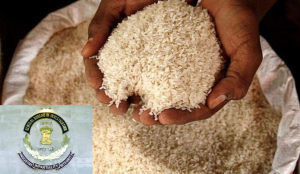
The Central Bureau of Investigation (CBI) has initiated a formal investigation into suspected irregularities in the allocation of subsidised rice by the Food Corporation of India (FCI) to the North Eastern Regional Agricultural Marketing Corporation (NERAMAC).
The agency registered a case on 27 August 2026 following a preliminary enquiry and reports from the Union Food Ministry and FCI’s vigilance wing.
The FIR was filed by CBI’s Anti-Corruption Unit-III in New Delhi and assigned to Deputy Superintendent of Police Mukesh Kumar.
Anil Kumar Yadav, Superintendent of Police, CBI AC-III, signed the document. The case invokes Section 61(2), read with Section 318(4), of the Bharatiya Nyaya Sanhita, 2023 (criminal conspiracy and cheating), and Section 7 of the Prevention of Corruption Act, 1988.
According to the FIR, FCI’s Delhi Region allotted 62,000 metric tonnes (MT) of rice to NERAMAC between 13 April and 15 May 2026 under the Open Market Sale Scheme (Domestic) or OMSS(D) 2025-26. Of this, NERAMAC lifted approximately 50,645 MT at a concessional rate of Rs 23,200 per MT.
The prevailing reserve price at the time was Rs 28,900 per MT. Had the same quantity been sold through the mandated e-auction at the reserve price, FCI would have realised an additional Rs 28.87 crore.
The complaint came from Rizwan Ahmed, Section Officer (Vigilance) in the Department of Food and Public Distribution. He sent two important documents: A Neutral Committee report from 30 June 2026 and FCI’s Vigilance Factual Report from 22 July 2026.
These reports looked at how FCI’s Delhi Region allotted 62,000 metric tonnes of rice to NERAMAC between 13 April and 15 May 2026 under the Open Market Sale Scheme (Domestic) 2025-26. Out of this, 50,645 MT was taken at Rs 23,200 per MT, which was below the reserve price of Rs 28,900 per MT. This led to an estimated loss of Rs 28.87 crore for FCI.
Investigators found that NERAMAC, a central public-sector company, was not eligible for allocation without an e-auction under the July 2025 OMSS(D) policy.
This policy allowed such concessional sales only for state governments and their corporations.
FCI officials are accused of processing the proposal too quickly. Meanwhile, NERAMAC officials brought in three private firms, Utapalakshi Agro Products, Dibesh Commercials and Super Grains, through agreements that were not properly checked.
The CBI is looking into several specific areas. Sleuths are piecing together the full paper trail, including letters sent by NERAMAC Additional General Manager Anjal Kumar Dutta to the Delhi Food Minister in January 2026, the no-objection certificate from the Delhi Food Department in April 2026, and the purchase orders from the private traders. They are also checking bank records to track deposits made by Delhi-NCR traders into NERAMAC accounts and the commissions of Rs 0.64 to 2.50 per kg paid to them.
Investigators are examining whether any of the rice actually reached the intended beneficiaries, such as daily-wage earners, labourers, and migrant workers without ration cards, or was instead sold in the open market.
They are also looking at fake distribution charts and backdated appointment letters for 23 sub-distributors.
The FIR lists eight people: three former FCI Delhi Region officers (Kunhiraman Padmini Asha, Brahm Prakash and Amarendra Vikram), three former NERAMAC officers (Bhaskar Barua, Anjal Kumar Dutta and Dilip Saha), and two private traders (Rajesh Bajaj and Pankaj Saraf).
The FIR also mentions “unknown public servants” and “unknown others.” The parent organisations had already suspended several of the named officials between May and June 2026 after internal inquiries. As of 1 September 2026, five days after the case was registered, the investigation is still in the document-collection and witness-examination stage.
The agency is seeking records from FCI headquarters, NERAMAC’s Guwahati office, the Delhi Food Department and relevant banks. The agency is investigating whether additional officials, including those in the Delhi Government who processed the no-objection, played any role.