
Barclays sees FCNR inflows falling short of lofty expectations
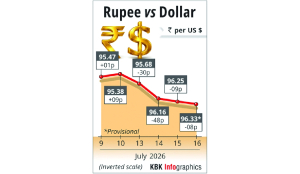
Foreign currency non-resident (FCNR) deposit inflows are likely to fall short of lofty market expectations despite gaining momentum in the coming weeks, according to the report.
The rupee is expected to depreciate gradually amid higher oil prices and strong importer demand for dollars, Barclays Research said on Thursday.
“The RBI recently met with commercial banks and assessed the progress of the FCNR deposit scheme. Inflows have been lower than expected so far. Banks have noted that inflows will pick up momentum, but we highlight a number of factors that could mean overall flows fall short of lofty market expectations,” the global brokerage said in a report.
It can be noted that the RBI and the government had announced a series of measures in early June to increase the capital flows into the country, including the measures on FCNR (B), under which a non-resident can open a foreign currency fixed deposit with an Indian bank. The announcement was met with expectations of the flows topping at least $50 billion, and some analysts also pegged the number at $70 billion. The rupee, which had seen sharp depreciation, also reacted positively.
On Thursday, Barclays said the rupee has come under renewed pressure following the rebound in crude oil prices and increased dollar buying by importers, adding “we see further gradual depreciation ahead”.
The brokerage said it continues to believe that the RBI’s recent measures have taken out the tail risk from the rupee and will help turn India’s balance of payments into a healthy surplus, but cautioned that FCNR inflows have so far disappointed and that downside risks to the currency remain linked to oil prices. However, it warned that importer demand for dollars continues to outweigh these inflows, keeping pressure on the rupee.
It noted that while stronger inflows could materialise during the remaining two-and-a-half months of the FCNR scheme, “it will require a relatively high run rate to get to anywhere close to market expectations by the time the window closes at the end of September”.
Barclays also said comparisons with the 2013 FCNR scheme may be misleading as higher US interest rates have reduced the relative attractiveness of such deposits.
On capital flows, the brokerage said portfolio inflows have shown encouraging signs, with expectations surrounding the possible inclusion of Indian government bonds in the FTSE World Government Bond Index and Bloomberg Global Aggregate Index potentially supporting “a more durable increase in foreign bond allocations over time”.