SIR Phase 3 ordered in 16 States including Delhi
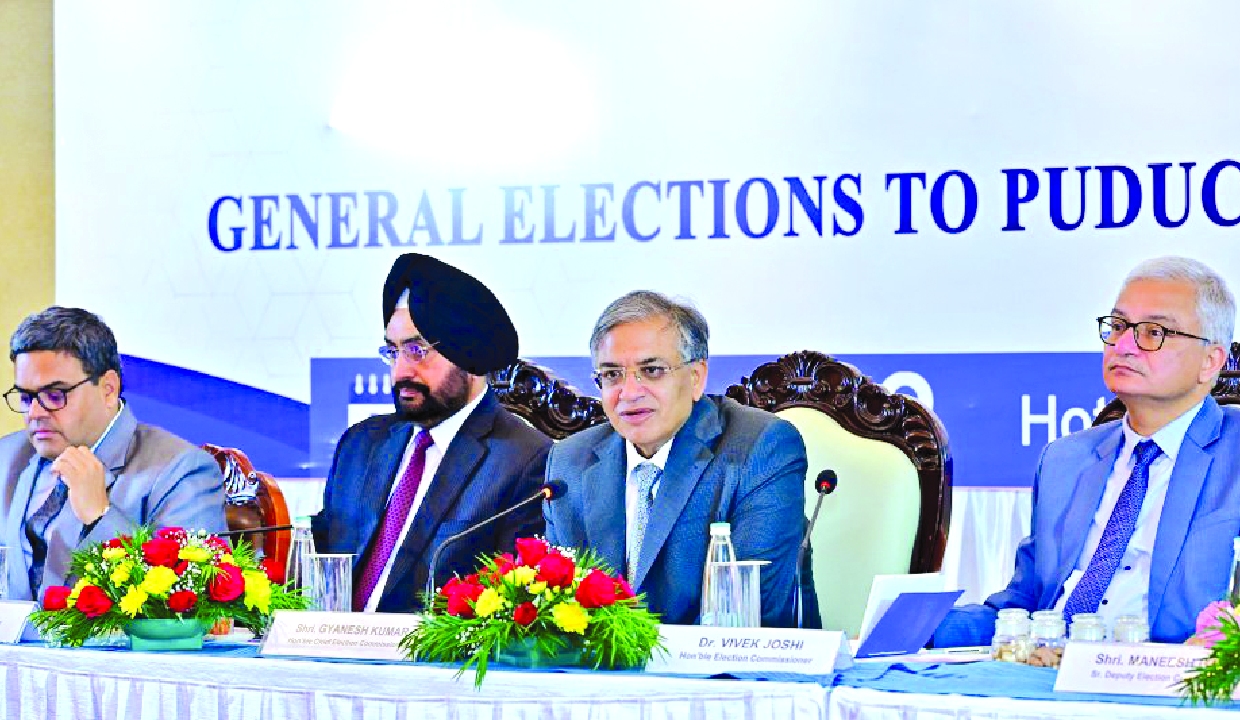
The Election Commission of India (ECI) on Thursday announced the rollout of Phase 3 of the Special Intensive Revision (SIR) of voter rolls in 16 States and three Union territories from May 30.
Voter roll revisions will be carried out in Delhi, Odisha, Mizoram, Sikkim, Manipur, Uttarakhand, Andhra Pradesh, Arunachal Pradesh, Haryana, Chandigarh, Telangana, Punjab, Karnataka, Meghalaya, Maharashtra, Jharkhand, Nagaland, Tripura, Dadar and Nagar Haveli and Daman and Diu.
According to the ECI schedule, the house-to-house visit by BLOs is slated between May 30 and October 14 this year, while publication of draft electoral rolls will take place from July 5 till October 21.
The final electoral rolls will be published on different dates this year, beginning with Odisha, Sikkim, Mizoram and Manipur on September 6 and ending with Tripura on December 23. The final poll roll of Delhi, along with those of Karnataka, Meghalaya, Maharashtra and Jharkhand, will be published on October 7.
SIR has already been conducted in Bihar, West Bengal, Tamil Nadu, Kerala, Puducherry, Uttar Pradesh, Rajasthan, Madhya Pradesh, Gujarat, Chhattisgarh, Goa, Andaman and Nicobar Islands and Lakshadweep, while a special revision was conducted in Assam.
The combined voters’ list of nine States and three UTs in Phase 2 of SIR was pruned by 10.2 per cent. So far, more than 7.3 crore voters have been deleted from the electorate rolls during the first and second phase of the SIR exercise, while over 60 lakh dead voters have been removed. Uttar Pradesh recorded the highest deletions at 2.89 crore, followed by Tamil Nadu with 97 lakh and West Bengal with 90.8 lakh electors removed.
Once the third phase of SIR is completed, entire country will be covered except Himachal Pradesh, Jammu and Kashmir and Ladakh, the EC said on Thursday.
SIR is an electoral roll cleansing drive that the ECI started with Bihar in June last year, citing concerns about bogus, duplicate, and ineligible voters — including deceased individuals and “illegal immigrants”.
SIR Phase 2 also took significantly longer than the Bihar SIR, which was completed in just three months. Beyond the extended timeline, the exercise witnessed intense political and legal battles.
The Governments of West Bengal, Kerala, and Tamil Nadu approached the Supreme Court, challenging aspects of the process. While the revision exercise has now concluded, the matter remains under judicial consideration. Unlike the Bihar SIR, this phase did not require every elector to resubmit documents. The SIR exercise also triggered strong political reactions, particularly from opposition-ruled states.
Requesting all political parties to appoint Booth Level Agents (BLAs) for each polling booth in order to ensure full participation of political parties so that SIR is conducted with complete transparency and full participation of political parties, the ECI said, SIR is a participative exercise involving all stakeholders, including electors, political parties and election officials.
During SIR Phase 3, over 3.94 lakh Booth Level Officers (BLOs) will go house-to-house to 36.73 crore electors assisted by 3.42 lakh BLAs appointed by political parties during the Enumeration Phase, the ECI said in a press statement.