Sugar, jaggery price surge a matter of concern, says Haryana Congress chief
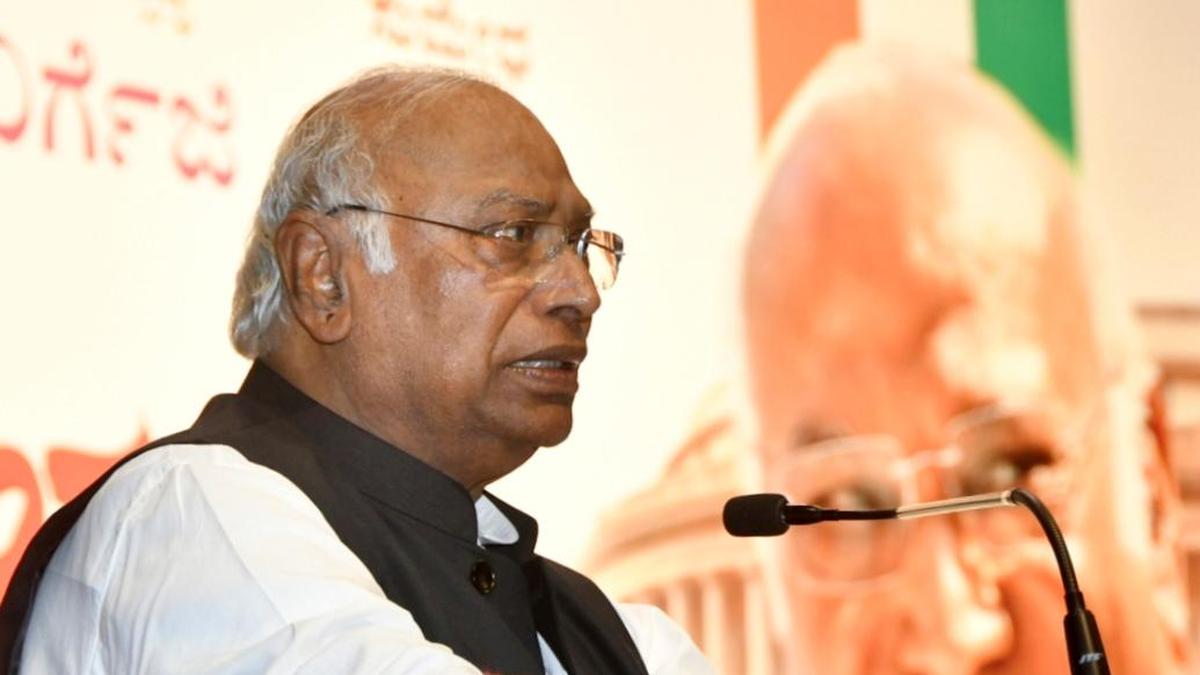
Haryana Congress chief Rao Narender Singh on Sunday said the sharp rise in sugar and jaggery prices over recent months has become a serious concern for common citizens, and called on the government to clearly explain the reasons behind the increase.
In a statement, Singh claimed sugar prices have risen by nearly 40 per cent to around Rs 67 per kg, while jaggery prices have climbed roughly 24 per cent to around Rs 65 per kg. He argued that rising demand for agricultural produce such as maize and rice, along with the diversion of sugarcane towards ethanol production, could be putting additional strain on the food market. "When a significant share of agricultural produce is diverted towards fuel production, availability for food consumption can come under pressure, naturally affecting prices," he said, demanding that the government make transparent data on the issue publicly available.
His remarks come days after the Centre, on Friday, rejected claims that the diversion of sugar for ethanol production was behind the sharp price rise, instead attributing it to the industry raising prices despite adequate domestic stock. The Centre has since directed states to act against hoarding and black marketing of the sweetener and to begin preparations for an early start to the crushing season around October 15, while also considering a reduction in the stock limits held by dealers.
Singh said reports of rising maize flour and rice prices were also emerging, and warned that the impact extends well beyond household kitchens. "Rising prices of animal feed and poultry feed increase the input costs of farmers and livestock owners, ultimately affecting the prices of milk, eggs and other food products," he said.
He further questioned the broader direction of the country's sugar policy, asking why India — once a major sugar exporter — now finds itself needing to import the commodity, and urged the Centre to clarify its position. "In matters of food security, the burden of any shortage or policy failure cannot be imposed on ordinary consumers," Singh said.
The Congress leader also raised concerns over E20 fuel, a blend of 80 per cent petrol and 20 per cent ethanol, arguing that the government should have addressed questions around vehicle engine compatibility, mileage, consumer costs and the impact on older vehicles before promoting its rollout. Fuel policy, he said, should meet the country's energy needs securely and sustainably without placing an added burden on consumers. The Congress Working Committee has separately reiterated concerns over E20's lower mileage, compatibility risks and the erosion of consumer choice.
Industry executives, however, have sought to allay these concerns, maintaining that ethanol-blended petrol has undergone rigorous scientific testing, is safe for use in both new and older vehicles, and remains critical to reducing India's dependence on imported crude oil.
(With inputs from PTI)