SC to Hear NEET Protest Police Action Pleas Monday
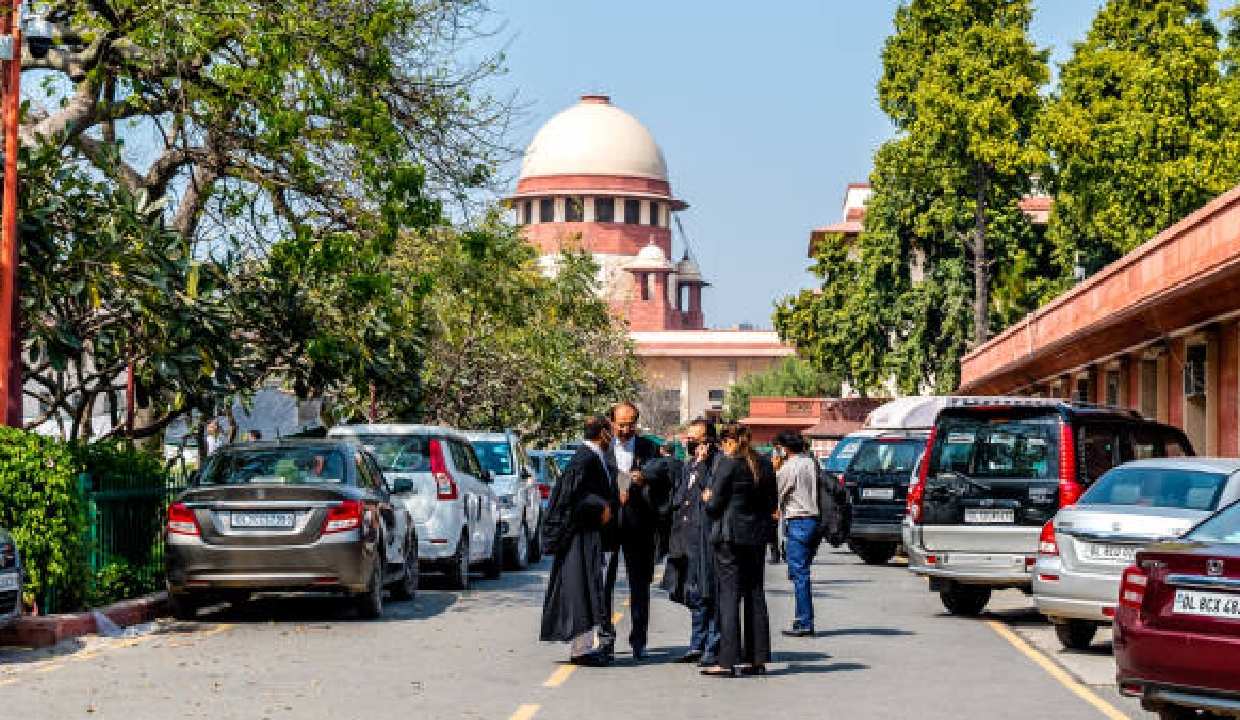
The Supreme Court will hear a batch of petitions on Monday, August 03, alleging police brutality during recent protests over exam irregularities and the NEET paper leak controversy.
A three-judge bench comprising Chief Justice Surya Kant and Justices Joymalya Bagchi and V Mohana is set to take up the matter. The court has previously signalled it may set up a Special Investigation Team (SIT), headed by a former Supreme Court judge, to probe allegations raised by protesters and pellet gun victims, and to determine whether attacks on police personnel were carried out by students or by "miscreants."
The hearing follows a July 28 order in which the top court barred states from taking coercive action against protesters and directed the release of all detained minors under 18 who had no prior criminal record. The court had said such minors could be released on a simple bond executed by themselves or their family members, where a surety requirement was insisted upon.
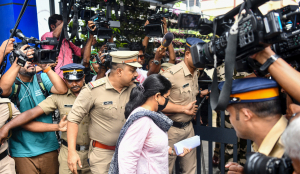
The bench had also taken note of allegations that pellet guns, nail-embedded lathis, rubber bullets and electric batons were used against protesters, causing severe, life-threatening injuries to several students and young women.
While permitting the Delhi government and other states to continue investigating registered FIRs, the court had made clear that no coercive measures were to be taken against protesting students, though this protection would not extend to those with existing criminal records.
The bench had described the allegations as prima facie establishing a compelling case for an independent, impartial probe one that would also address concerns raised by families of police personnel and by the Solicitor General of India. The court said it had given the Centre and concerned states an opportunity to place their versions on record before deciding whether to constitute an independent committee or SIT.
Notices were issued to Maharashtra, Bihar, Assam, Uttar Pradesh, Madhya Pradesh, West Bengal and Kerala, with their advocates general directed to appear online at the next hearing. The court further directed the preservation of CCTV footage, drone recordings, body-camera footage, wireless communication logs, PCR records and other digital evidence related to the protests. It also ordered that personal and digital data collected from protesters, particularly students, not be released into the public domain for the time being.
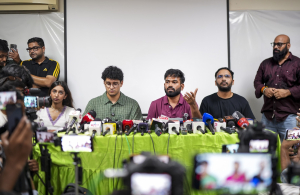
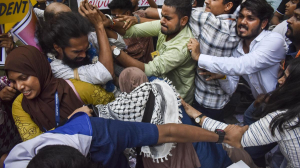
The protests originated from a march led by the Cockroach Janta Party (CJP) in Delhi on July 20, which turned violent as police used lathis and tear gas to stop demonstrators from advancing toward Parliament. Unrest subsequently spread to several other states, with protesters demanding the resignation of Union Education Minister Dharmendra Pradhan over the NEET paper leak.
The agitation concluded on Saturday after Pradhan resigned and the government agreed to compensate the families of those who died by suicide during the protests, along with a commitment that no FIRs would be filed against demonstrators.
(With inputs from PTI)