SC reserves verdict on pleas challenging EC’s SIR of electoral rolls in Bihar
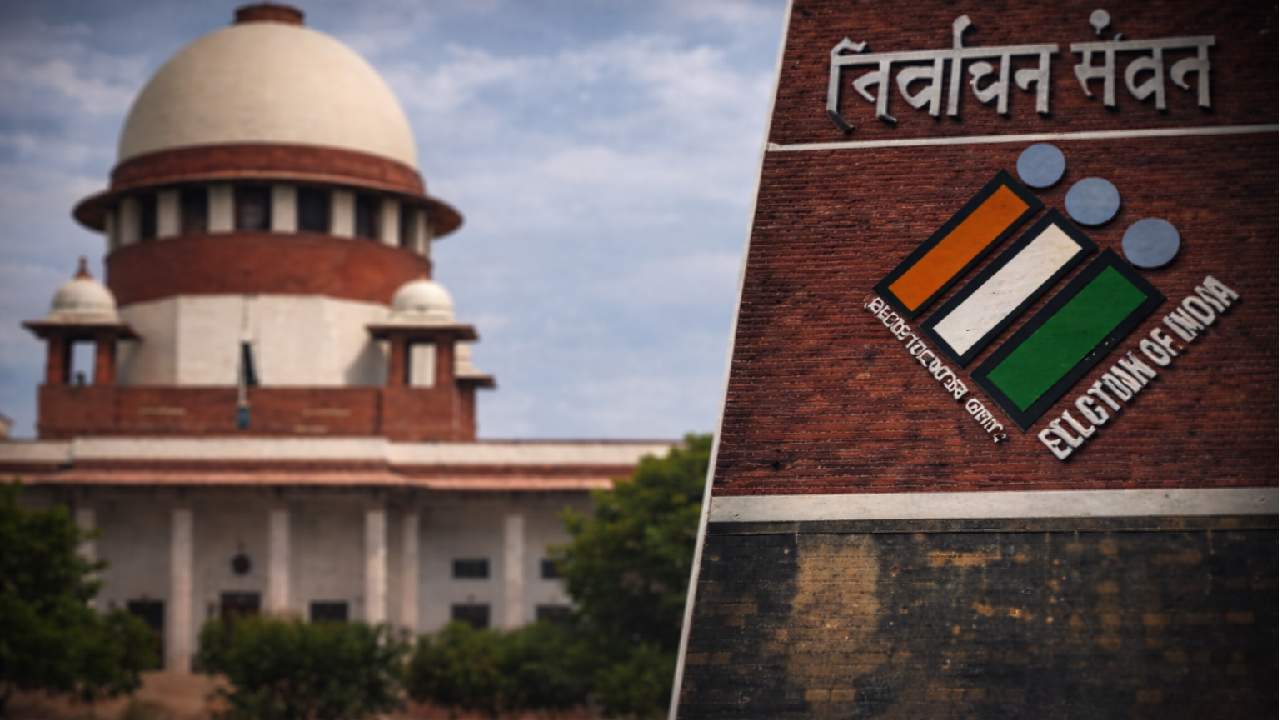
The Supreme Court on Thursday reserved its verdict on a batch of pleas including the one filed by NGO Association for Democratic Reforms (ADR) challenging the Special Intensive Revision (SIR) of electoral rolls in Bihar. The Supreme Court is examining the pleas that claimed that the poll panel does not have powers under Article 326 of the Constitution, the Representation of the People Act, 1950 and the Rules made under it to carry out the SIR on such a larger form.
The SIR in Bihar was conducted in the first phase. The second phase of the electoral roll revision is being carried out across nine States, namely Chhattisgarh, Goa, Gujarat, Kerala, Madhya Pradesh, Rajasthan, Tamil Nadu, Uttar Pradesh and West Bengal and three UTs, Andaman and Nicobar, Lakshadweep and Puducherry. A separate ‘special revision’ of electoral rolls is in progress in Assam.
A bench comprising Chief Justice Surya Kant and Justice Joymalya Bagchi concluded the final hearing after a battery of lawyers including Kapil Sibal, Abhishek Singhvi, Prashant Bhushan and Gopal Sankaranarayan argued in the matter. The poll panel was represented by senior advocates Rakesh Dwivedi and Maninder Singh.
The bench heard rejoinder submissions on behalf of the petitioners before reserving the verdict. The court had commenced final arguments in the matter on August 12 last year, when it observed that inclusion or exclusion of names in electoral rolls falls within the constitutional remit of the Election Commission of India (ECI).
The poll panel came out with the names of 65 lakh people who were removed from the draft electoral rolls published as part of the SIR exercise. According to the SIR notification, voters who were not present in the 2002 or 2003 rolls have to show ancestral linkage with someone present in the rolls then. Eleven documents were specified by the poll panel as documents which could be used to verify identity.
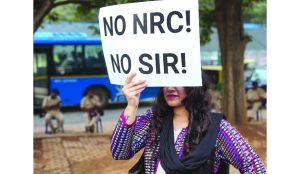
The ECI has defended the SIR exercise, maintaining that Aadhaar and voter identity cards cannot be treated as conclusive proof of citizenship. It was alleged by the petitioners that the electoral rolls revision was an ‘NRC-like process’ where the poll panel was verifying citizenship, a power which vests in the central Government.