Supreme Court closes FIRs against CJP protestors, September 5 march withdrawn
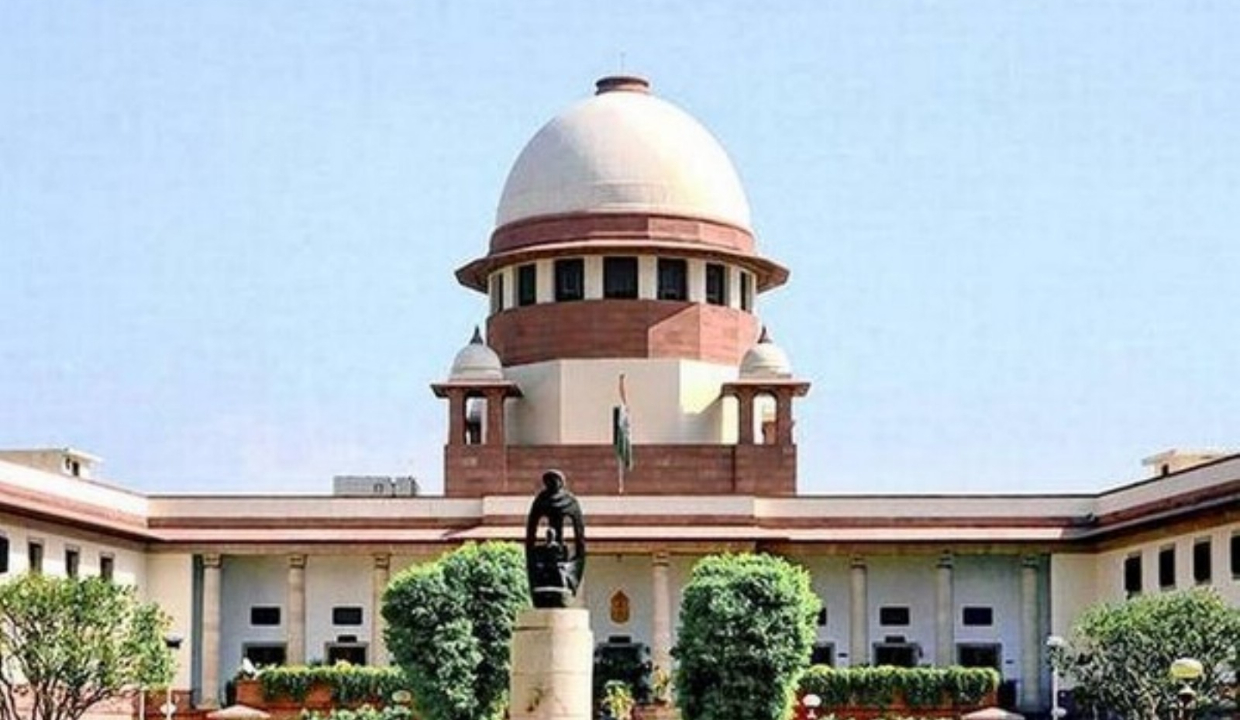
The Supreme Court on Tuesday, September 1 quashed all FIRs registered against students who participated in Cockroach Janta Party-led protests across the country between July 20 and 25, prompting the group to withdraw its proposed September 5 march in the national capital.
A bench headed by Chief Justice of India Surya Kant also directed the Centre to formulate a pan-India policy and provide compensation within three months to the families of students who died by suicide following the NEET paper leak.
While closing the criminal proceedings against the protesters, the bench said it was invoking its powers under Article 142 of the Constitution to “do complete justice”, keeping in mind the future prospects of the young protesters.
Article 142 empowers the Supreme Court to pass orders necessary to ensure complete justice in a case.
The bench, comprising Justices Joymalya Bagchi and V Mohana, however, accepted the Centre's request to permit Delhi Police to register fresh FIRs against 2,873 individuals with serious criminal antecedents who were present at the Jantar Mantar protest.
The court also widened the scope of its order, saying any other FIRs registered in connection with the same protests between July 20 and 25 in any state or Union Territory, which were not before it, would not be pursued and would be treated as closed.
On compensation to families of students who died by suicide, the court directed the Centre to formulate a nationwide policy and make the payments to the affected families within three months.
CJP co-convenor Saurav Das appeared before the bench and read out a statement announcing the withdrawal of the group's September 5 march.
“As co-convener of the CJP, I want to state that in view of the positive assurances of the Government of India and the judicial sanctity bestowed upon them today, and in view of the order being passed by this Court, the CJP deems it appropriate to withdraw the call for the march on September 5 and looks forward to compliance with today's order,” Das said.
He thanked the court as well as counsel Vrinda Grover and Solicitor General Tushar Mehta for their efforts.
The bench recorded the statements of Mehta and Das and said it had exercised its extraordinary powers in view of the peculiar facts and circumstances of the case. It expressed hope that both sides would honour their commitments.
During the hearing, Mehta told the court that the Centre remained committed to assurances given to the CJP that Delhi Police and police forces in other states would not pursue FIRs registered in connection with the protests.
He also said the Union government was committed to other assurances, including compensation to the affected families, but sought time to work out the modalities.
The CJP had called for a protest march in Delhi on September 5, Teachers' Day, alleging that the Centre had failed to honour assurances made on July 25 to persuade the group to withdraw its 36-day agitation over irregularities in examinations and the NEET paper leak.
According to the group, the proposed march was to be led by families of students who died by suicide following the cancellation of the NEET examination and subsequent re-test, as well as those who allegedly faced police excesses during the July agitation.
The Supreme Court had agreed to hear a plea filed by Delhi Police seeking quashing of 13 FIRs against students who participated in the protests and permission to register a fresh case against 2,873 individuals.
In its application, Delhi Police said that following the Central government's decision on July 25, it no longer wished to pursue the 13 FIRs.
The police said 2,873 individuals with serious criminal antecedents, as per the National Crime Records Bureau database, were prima facie reported to have been present at the protest site. It sought permission to register a fresh FIR against them to investigate their alleged roles in offences involving bodily harm or destruction of property.
The apex court had earlier constituted a high-powered inquiry committee headed by former Supreme Court judge Justice R Subhash Reddy to examine issues and allegations, including police excesses against students during the nationwide protests over the NEET-UG paper leak.
The CJP-led protest march in Delhi on July 20 had witnessed clashes between protesters and security personnel, with police using lathis and tear gas shells to disperse crowds attempting to move towards Parliament.
The student-led agitation, which spread to several cities, centred on demands including the resignation of then Union Education Minister Dharmendra Pradhan.
The protests began at Jantar Mantar on June 20 and were called off on July 25 after Pradhan resigned and the government accepted the group's other demands.
(With inputs from PTI)