Russia, China veto UN plan on Strait of Hormuz
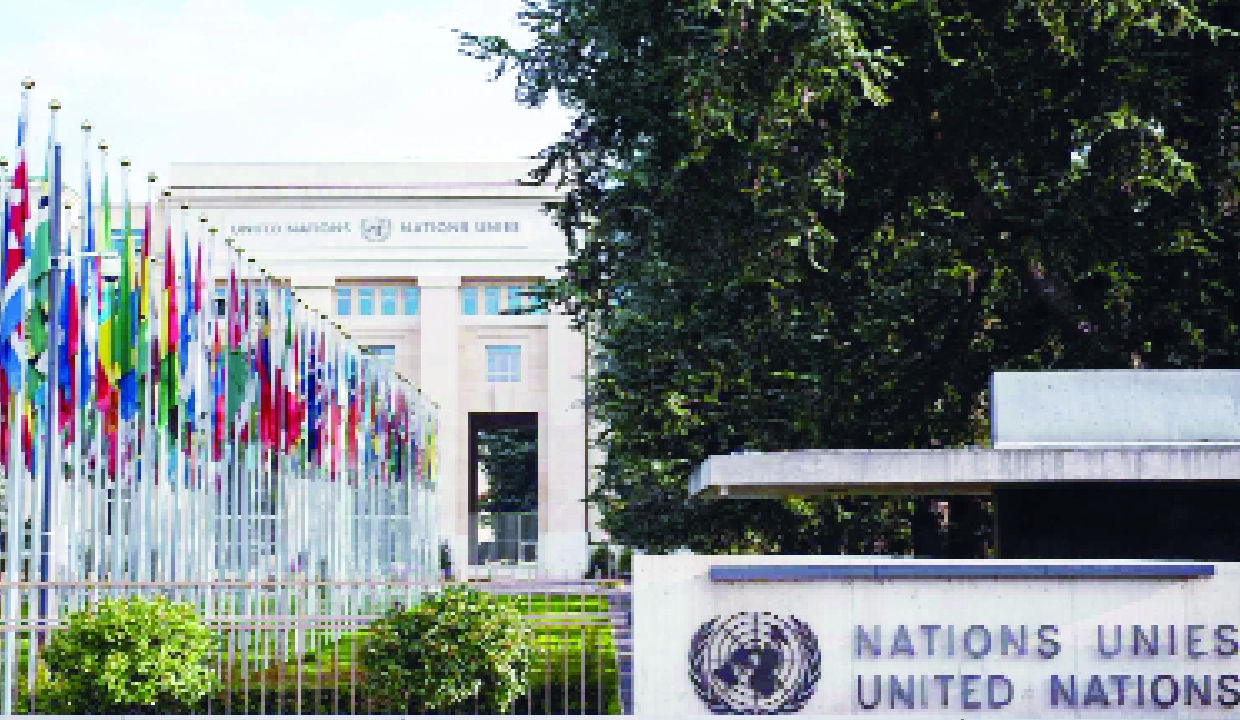
Russia and China on Tuesday vetoed a UN Security Council resolution aimed at reopening the Strait of Hormuz that had been repeatedly watered down in hopes that those two countries would abstain.
The vote — 11 in favour, two against and two abstentions - took place just hours before an 8 pm Eastern deadline set by US President Donald Trump for Iran to open the strategic waterway or face attacks on its power plants and bridges. One-fifth of the world’s oil typically passes through the strait, and Iran’s stranglehold during the war has sent energy prices soaring.
It’s doubtful the resolution, even if it had been adopted, would have impacted the war, now in its fifth week, because it was been significantly weakened to try to get Russia and China to abstain rather than veto it. The initial Bahrain proposal would have authorised countries to use “all necessary means” - UN wording that would include military action — to ensure transit through the Strait of Hormuz and deter attempts to close it.
After Russia, China and France, all veto-wielding countries on the 15-member Security Council, expressed opposition to approving the use of force, the resolution was revised to eliminate all references to offensive action. It would have authorised only “all defensive means necessary.” A vote had been expected on Saturday. But instead, the resolution was further weakened to eliminate any reference to Security Council authorisation - which is an order for action - and limit its provisions to the Strait of Hormuz. Previous drafts had included adjacent waters.
The resolution vetoed Tuesday “strongly encourages states interested in the use of commercial maritime routes in the Strait of Hormuz to coordinate efforts, defensive in nature, commensurate with the circumstances, to contribute to ensuring the safety and security of navigation across the Strait of Hormuz.” This should include escorting merchant and commercial vessels, and deterring attempts to close, obstruct or interfere with international navigation through the strait, it says.
The resolution also demanded that Iran immediately halt attacks on merchant and commercial vessels and stop impeding their freedom of navigation through the Strait of Hormuz and attacking civilian infrastructure.
In response to the US and Israeli attacks, Iran has targeted hotels, airports, residential buildings and other civilian infrastructure in more than 10 countries, including the Islamic Republic’s Gulf neighbours, some of the world’s major exporters of oil and natural gas.
Iran’s blockade in the Strait is seen by Gulf nations as an existential threat. Bahrain, a Gulf nation that hosts the US Fifth Fleet and is the Security Council’s Arab representative and its president this month, has been pressing for UN action.