Running Beyond Victory: Ishika Phogaat’s Inspiring Journey in Para Athletics
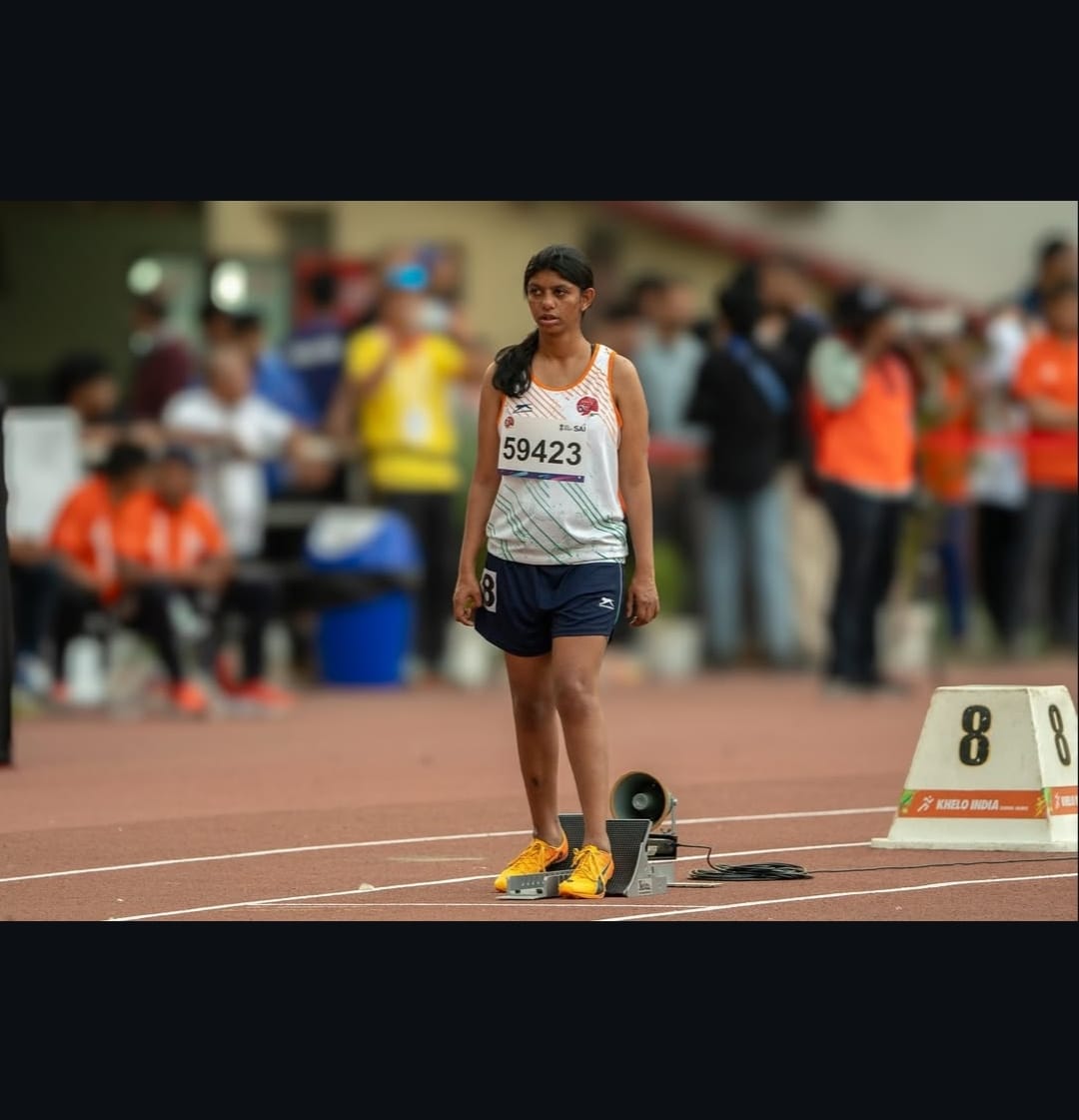
For 23-year-old Ishika Phogaat, running has never been solely about winning races. Her father, who also coaches her, recalls how she would often resist when asked to train harder. “She would say, ‘jyada mat bola karo mujhe’ (don’t keep pestering me to run all the time),” he says. Yet the encouragement from her parents never stopped. Her mother, Savita, remembers that Ishika would sometimes say she wanted to run behind other competitors so she could help anyone who fell during a race—a remark that often brought laughter at home.
Born with one kidney, Ishika faced difficulties during her early schooling and studied in a regular school until Class 8. After that, her parents opted for homeschooling and now, years later, after she represented India in athletics, the same school invited her back as the chief guest for its Sports Day.
Ishika is intellectually disabled, a neurodevelopmental condition that affects learning, decision-making and adaptive functioning. Irrespective of these challenges, she has carved a place for herself in para athletics and competes in the T20 and F20 categories, which include track and field events for athletes with intellectual disabilities.
The awareness about intellectual disability in India remains limited and it is often incorrectly grouped with other developmental conditions. The classification of children with special needs is notified by the Central Adoption Resource Authority and clearly defined under the Rights of Persons with Disabilities Act, 2016. These categories include a wide range of conditions such as autism, hearing or visual impairment, learning disabilities and multiple disabilities, with intellectual disability forming only one part of the broader classification.
Families and trainers say that while education can help intellectually disabled children gain independence, opportunities often remain limited. Ishika’s father believes sport can provide a meaningful pathway, but the country needs more specialised coaching support. Even institutions such as the National Institute of Sports do not yet offer structured programmes to train coaches specifically for athletes with intellectual disabilities.
Ishika is among the few who have progressed to the international stage and is set to represent India for the second time at the World Para Athletics Grand Prix 2026 in the T20 category, highlighting both the potential of such athletes and the need for greater institutional support.