Roads cannot be blocked for religious activities: SC
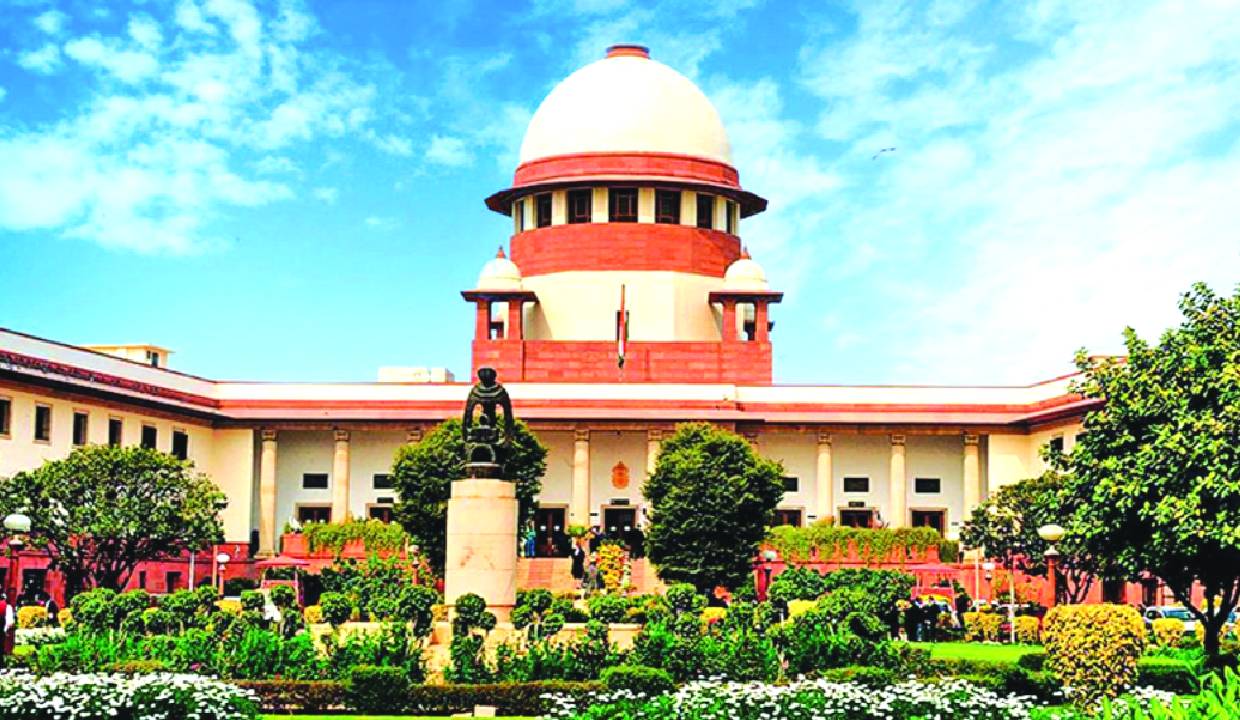
Commenting that roads cannot be blocked in the name of religious activities, the Supreme Court on Tuesday said a denomination has the autonomy in the manner of worship and the court cannot sit in judgment over its religious affairs, but if a secular activity is being affected, the Government can interfere with its rights.
The observation of a nine-judge Constitution bench came while hearing petitions related to discrimination against women at religious places, including the Sabarimala temple in Kerala, and on the ambit and scope of the religious freedom practised by multiple faiths.
The bench comprised Chief Justice of India (CJI) Surya Kant and Justices BV Nagarathna, MM Sundresh, Ahsanuddin Amanullah, Aravind Kumar, Augustine George Masih, Prasanna B Varale, R Mahadevan and Joymalya Bagchi.
On the ninth day of the hearing, advocate Akshay Nagarajan, representing the Hindu Dharma Acharya Sabha in the court, submitted that the Government cannot interfere with a religious denomination’s rights by citing grounds under Article 25(2)(a).
Article 25(2)(a) of the Constitution empowers the State to regulate or restrict any economic, financial, political or other secular activity associated with religious practices.
Nagarajan said the protection under Article 25 is not confined merely to matters of religious belief and extends equally to outward manifestations of faith, including rituals, observances, ceremonies and practices associated with the worship of a particular deity.
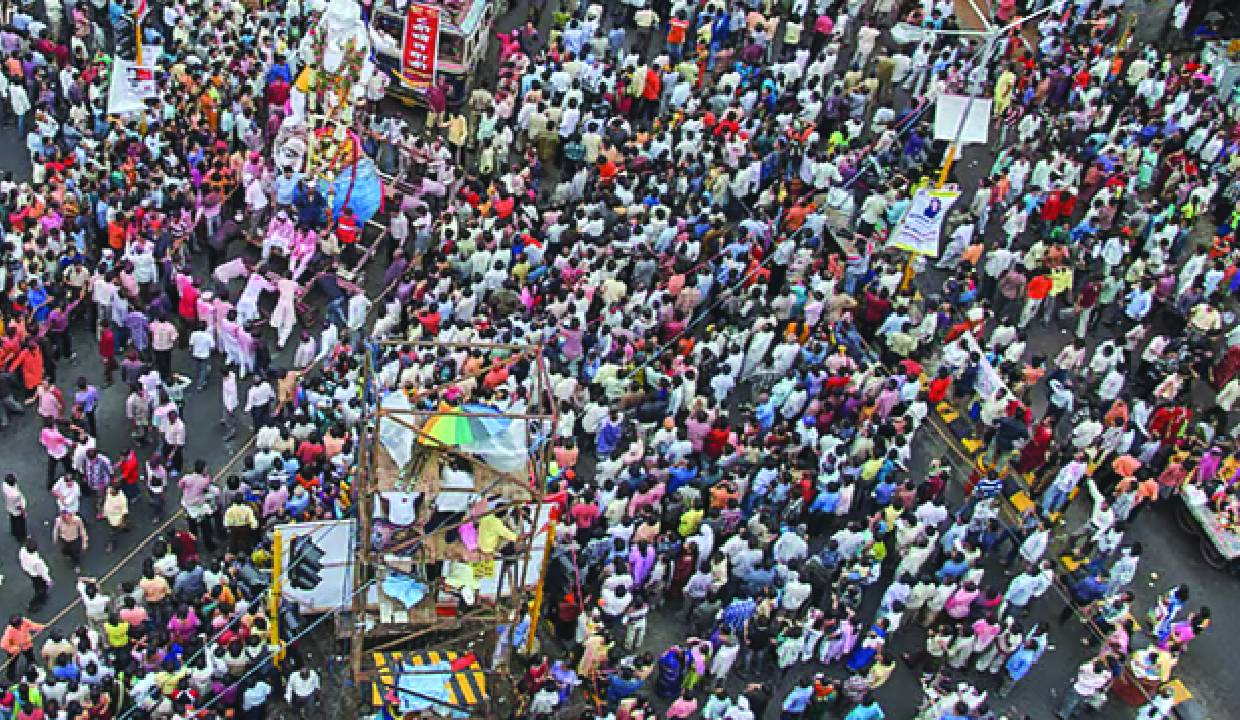
The submissions led Justice Nagarathna to observe that the State can step in if a secular activity is affected by religious activities.
“Suppose there is a temple, they want to have an annual festival, like you have the annual cart or chariot festival. You cannot block all the roads around the temple.
That has nothing to do with religion. You do your religious activity, but not by blocking the roads.
The State can always step in to regulate,” she said.
Justice Nagarathna asserted that while the court cannot sit in judgment over the religious affairs of a denomination as autonomy has been given to the denomination under the Constitution, when secular activities are affected, the State can always interfere.
“Suppose they say they have a particular way of worship.
That is the autonomy which is given in the manner of worship. Court cannot sit in judgment and say, no this cannot be done.
But if a secular activity is also affected, then the State can step in to regulate,” the judge said.
Nagarajan contended that secular rights can be taken care of under Article 26(d). Article 26(d) of the Constitution guarantees religious denominations the right to administer their own movable and immovable properties in accordance with law.
During the hearing, advocate Ashwini Upadhyay submitted that “Bharat” was divided into 25 pieces in the last 2,000 years due to denominational conflicts and in the last 200 years, it was divided into seven countries.