Rescue mission intensifies as US aircrew missing
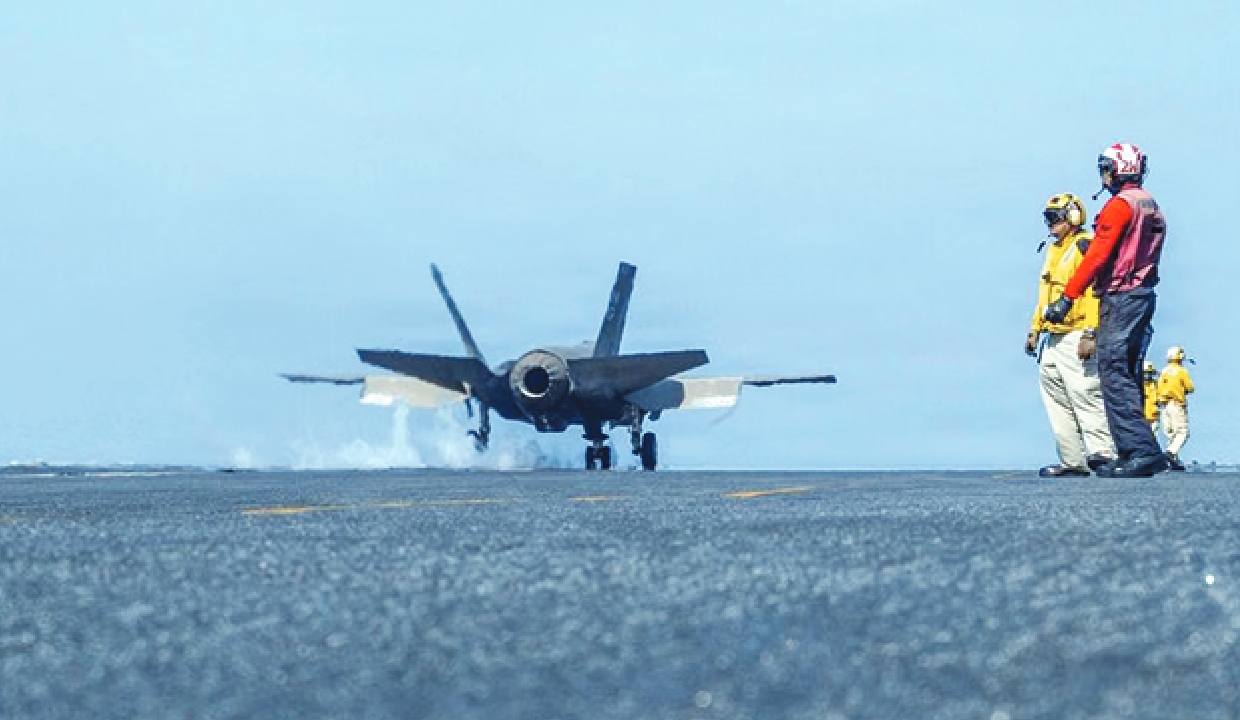
A high-risk search operation is underway after a US fighter aircraft was brought down over Iranian territory, leaving one crew member still unaccounted for and raising fresh concerns about the conflict’s trajectory.
According to US officials cited by US media, two personnel were aboard the aircraft when it went down.
One has since been recovered, while efforts continue to locate the second, believed to have ejected over hostile terrain. The Pentagon and US Central Command have yet to publicly comment on the incident. The unfolding situation has shifted attention from aerial dominance to the dangers faced by American personnel on the ground. The prospect of a US service member evading capture inside Iran presents a complex challenge, combining urgent rescue priorities with the risks of deeper military exposure.
Reports indicate that helicopters deployed for the recovery mission came under fire but managed to withdraw safely. In a separate development, another US aircraft crashed in the region after being hit, though its pilot ejected successfully. Details regarding injuries remain unclear.
Iranian authorities have meanwhile called on civilians to assist in locating the missing crew member, with images circulating online that allegedly show debris from the downed jet. The aircraft is believed to be an F-15E Strike Eagle, which typically carries a pilot and a weapons systems officer.
Military experts note that while US aircrew receive specialised training to survive behind enemy lines, operating undetected in unfamiliar territory—particularly without language proficiency—adds to the difficulty of such situations.
The episode comes at a sensitive moment in the conflict. US President Donald Trump has recently projected confidence about weakening Iran’s military capabilities, even as tensions continue to escalate on multiple fronts. The latest incident, however, underscores the unpredictability and human risks of the war.
Iranian regional officials have issued stark warnings, suggesting rewards for those who locate or detain the missing airman, intensifying fears over the individual’s safety. Beyond the immediate rescue effort, the broader conflict continues to take a toll. US casualty figures have risen, and questions persist over the effectiveness of military operations against Iran’s remaining capabilities, particularly its missile and drone arsenal.
The war has also had far—reaching consequences, from instability across the Middle East to rising energy costs affecting global markets.
At home, public opinion in the United States appears increasingly wary, with growing calls for a quicker resolution to American involvement.
As the search continues, the fate of the missing crew member remains uncertain—serving as a stark reminder of the personal stakes behind a widening geopolitical conflict.