RBI likely to hold rates in August: Economists
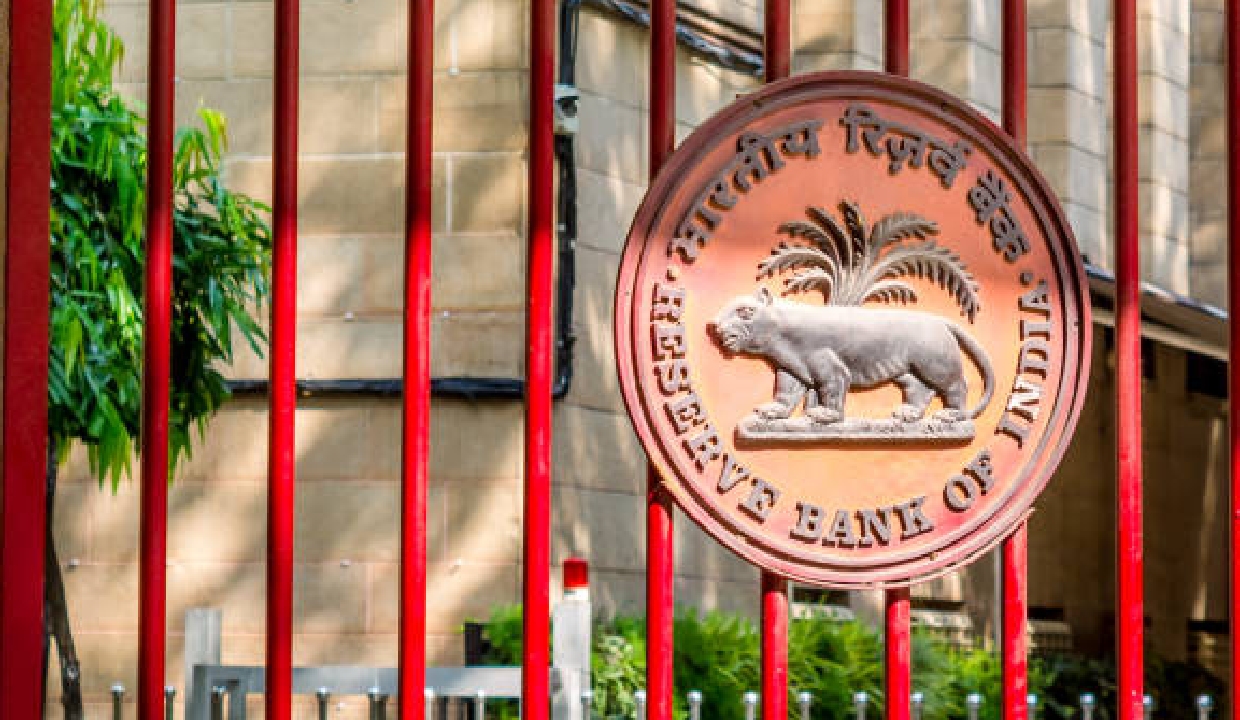
The Reserve Bank of India (RBI) is expected to keep the benchmark repo rate unchanged in its August monetary policy review on elevated inflation risks and pending the closure of the Foreign Currency Non-Resident (Bank) account or FCNR(B) deposit scheme, a poll of 10 economists and treasury heads has revealed.
Most respondents anticipate that the central bank will maintain its policy stance as 'Neutral' while adopting a hawkish tone amid rising inflation risks from geopolitical tensions, elevated crude oil prices and an uneven monsoon.
Economists said the central bank will remain in a "wait-and-watch" mode as it assesses the evolving inflation outlook.
"As of now, trimmed core inflation remains benign and suggests a status quo is the best policy option for the time being, with caution being expressed through the policy tone," said Aditi Nayar, chief economist at ICRA.
In recent media outings, Governor Sanjay Malhotra has reiterated that inflation will be the central bank's foremost priority going ahead, pointing out that progress of the monsoon is a key factor to watch out for.
Gopal Tripathi, head of treasury at Jana Small Finance Bank said the central bank will wait for the monsoon to play out and for the success of the FCNR (B) scheme.
The MPC will meet between August 3 and August 5 to decide on the policy rates. The central bank has reduced the repo rate by 1.25 per cent since last year to aid growth.
Despite expectations of a pause in August, the majority of respondents see the policy rate moving higher over the course of FY27. Most participants expect at least two rate hikes during the fiscal year if inflationary pressures intensify.
"The RBI is expected to maintain a hawkish pause, balancing resilient domestic growth with supply-led inflation. Since inflation is largely driven by external shocks rather than demand, keeping rates unchanged allows the RBI to assess evolving risks like monsoon developments and geopolitical disruptions before taking further action," said Balasubramanian R, head of treasury at Dhanlaxmi Bank.
Most respondents expect no change in the central bank's inflation forecast despite the recent spike in crude oil prices, although a few foresee an upward revision if geopolitical tensions persist.
Balasubramanian expects the RBI to raise its FY27 retail inflation projection to 5.1 per cent, citing imported inflation risks from higher energy prices.
Expectations on growth projections also remained divided. Some economists believe resilient domestic demand could prompt a modest upward revision in the FY27 GDP growth forecast, while others expect no change.
A few anticipate a slight downgrade due to weak global demand, higher energy costs and geopolitical uncertainty.
Gaura Sengupta, economist at IDFC FIRST Bank, said the inflationary pressures are largely supply-driven and therefore may not warrant an immediate monetary policy response.
"The risk to inflation is supply-side led. Monetary policy is not the appropriate tool as it works via the demand side. Fiscal policy will be the main response to manage inflation pressures," she said, while adding that the RBI is likely to reiterate that it only seeks to curb excessive volatility in the rupee rather than target a specific exchange rate.
On liquidity, the majority of respondents do not expect any major measures in the August policy. However, some believe the RBI could continue fine-tuning operations through variable-rate repo auctions and open market operations, if required, to ensure orderly money market conditions.
"No, but measures are expected closer to September when liquidity infusion picks up," Sengupta said.