Ram Temple trust sets up 9-member religious panel
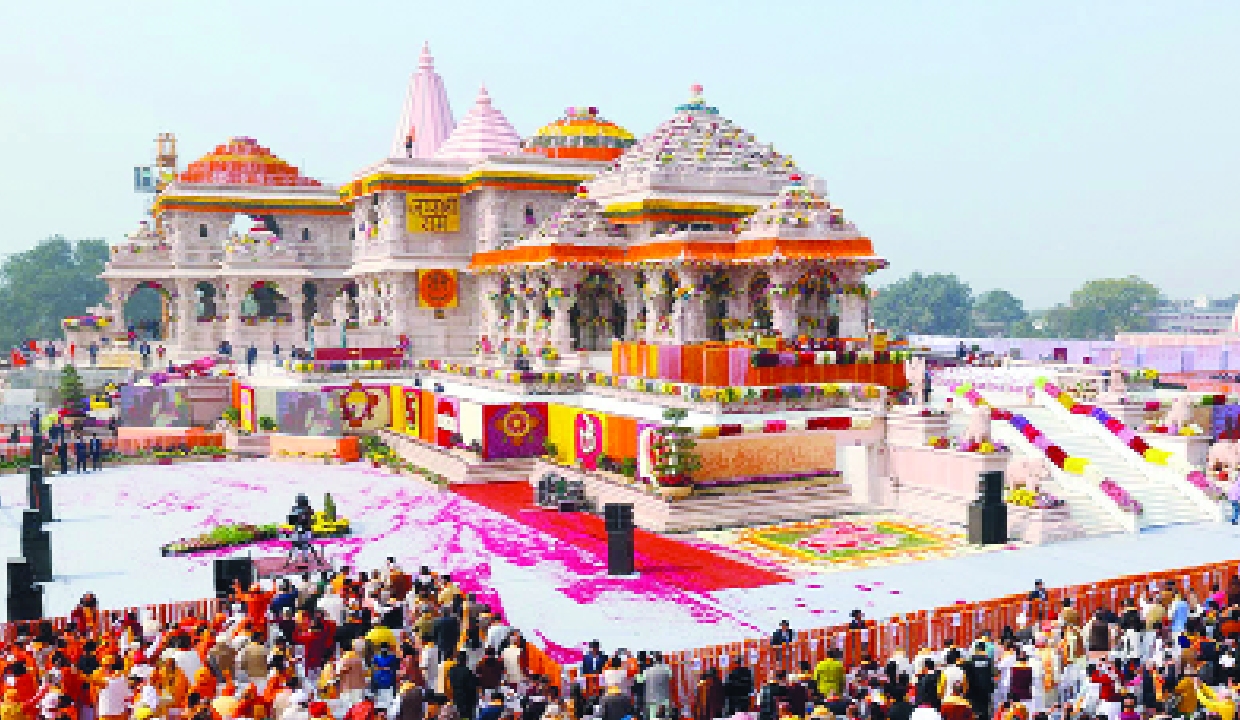
The Shri Ram Janmabhoomi Teerth Kshetra Trust has set up a permanent religious committee with nine members, including leading Hindu seers, scripture experts, and Ramanandi tradition custodians, to oversee all worship, rituals, and religious matters at the Ram temple.
The Trust’s board of trustees approved the decision at a meeting on Wednesday led by president Mahant Nritya Gopal Das. The committee, headed by Trust treasurer Mahant Govind Dev Giri, will make final decisions on daily worship, major festivals, Vedic rituals, priest appointments and training, and the preservation of traditional worship practices. Other members include Jagadguru Shankaracharya Vasudevanand Saraswati, Swami Vishwaprasannatirth from Karnataka’s Pejawar Math, Nirmohi Akhara mahant Dinendra Das, Mahant Kamal Nayan Das from Maniram Chhawani, Mahant Rajkumar Das of Ramvallabh Kunj, Swami Ramanand Das of Ram Katha Kunj, Mahant Mithilesh Nandini Sharan, and Swami Parmanand Giri of Akhand Paramdham Ashram in Haridwar.
Trust treasurer Mahant Govind Dev Giri said this move puts all religious arrangements in the hands of Ayodhya’s sadhus and saints. “This temple must continue to function according to the traditional Vedic Ramanandi system of worship,” he said, stressing that the committee’s decisions on rituals and related matters would be final.
The panel is responsible for making sure daily puja follows the Vedic Ramanandi tradition, setting dates for festivals like Ram Navami and Vivah Panchami, organising special yajnas, and working with local mutts, temples, and gurukuls. This new structure aims to strengthen the temple’s religious administration by highlighting local monastic traditions and including respected scholars from outside Ayodhya. Five of the nine members come from Ayodhya’s traditional monastic community, addressing long-standing requests for greater involvement by local seers in the temple’s daily spiritual life.
The Trust has also decided to restart and make permanent a training institute for priests. The school will teach worship procedures, correct mantra pronunciation, temple management, discipline, and standards of conduct. Earlier, about 30 priests were trained before the program stopped. Since its pran pratishtha in January 2024, the Ram temple has become one of India’s top pilgrimage sites, attracting millions of devotees. The Trust has made it a priority to keep the temple’s rituals rooted in the Ramanandi Vaishnava tradition, which has long been linked to Ayodhya.
The new committee is expected to offer steady, clear, and authoritative guidance on all religious practices as the temple grows. Officials said the panel will do more than advise; it will directly supervise worship arrangements. Its creation is a major step in formalising the temple’s spiritual governance, balancing efficient management with respect for long-standing traditions.
The board also discussed other operational issues at the meeting. However, forming the religious committee is the main effort to protect the temple’s religious character for future generations. The next Trust meeting is planned for early September 2026.