Raids uncover theft of devotees’ offerings in Ayodhya temple
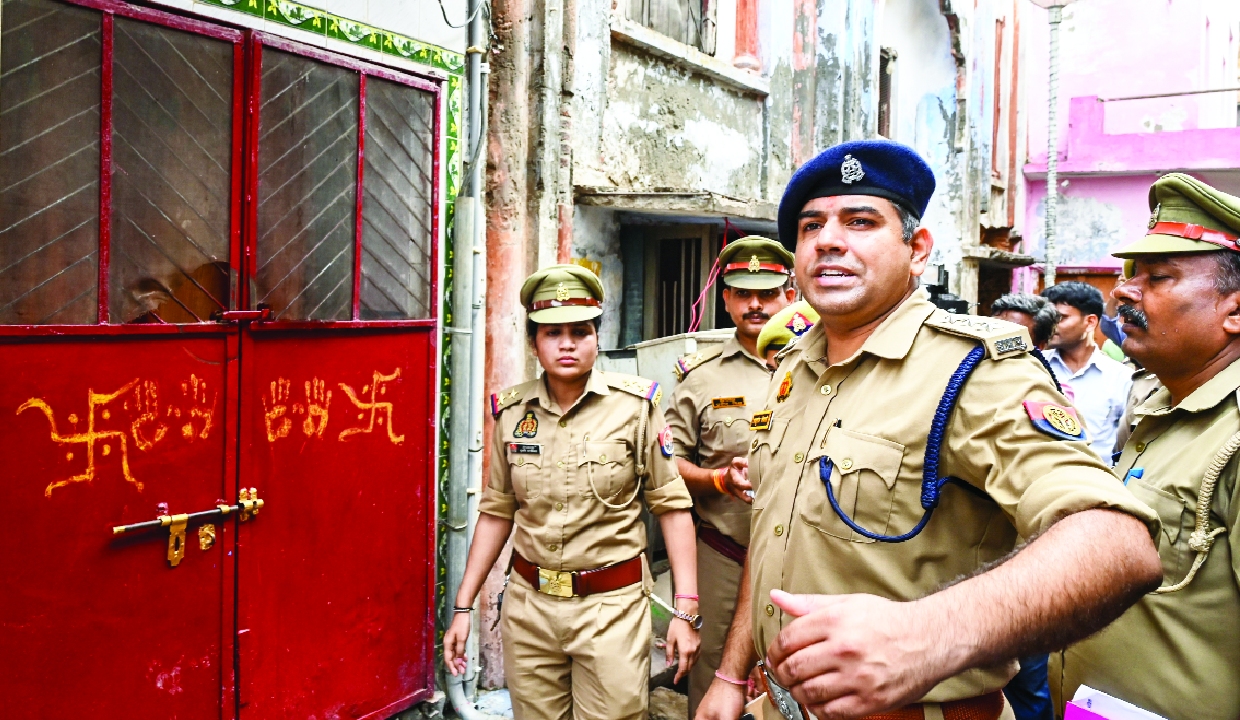
As dawn broke over the sacred banks of the Sarayu, police teams fanned out across Ayodhya for simultaneous raids on the homes of eight men accused of siphoning donations meant for the Shri Ram Janmabhoomi Temple.
Police, along with magistrates, took Aadhaar cards, PAN cards, bank statements, and other documents from the homes of the eight accused men. At one house, they asked family members to unlock the doors. In other homes, they questioned neighbours and relatives about assets and lifestyles that did not match the men’s modest salaries.
The eight men, Lavkush Mishra, Anukulp Mishra, Avinash Shukla, Manish Kumar Yadav, Karunesh Pandey, Ram Shankar Mishra, Subhash Chandra Srivastava, and Ramashankar Yadav (also known as Tinnu), were in charge of counting the cash and valuables donated by thousands of devotees. The raids on June 28 took place two days after a court sent them to judicial custody until June 29.
CCTV footage shows the men taking money several times. Police have found `79.85 lakh in cash and some foreign currency with the accused. Earlier, they found bundles of cash hidden under a cow-dung heap at one home and more money in a washroom near the counting room, highlighting the suspected theft.
The case was filed on June 25 under laws related to theft by employees, breach of trust, receiving stolen property, conspiracy, and the Prevention of Corruption Act. It is based on a report from a three-member Special Investigation Team (SIT) set up by Chief Minister Yogi Adityanath. After six days of investigation, the team released its first report on June 23, and a police case was filed based on a complaint from a trust member.
Investigators found problems in how donations were handled. Rules set in 2025, with help from State Bank of India officials, required security guards during counting, checking staff as they entered and left, conducting random inspections, requiring pocketless uniforms, and retaining CCTV footage for 180 days. These rules were not always followed, which allowed the problems to continue.
In practice, CCTV footage was kept for only about 45 days. Ramashankar Yadav, also known as Tinnu and a former driver for the trust’s general secretary Champat Rai, reportedly had keys to several donation boxes, which broke the rules. Subhash Chandra Srivastava, who was in charge of counting donations, got his job through a senior trust official’s recommendation. Tinnu is also said to have helped his relative, Manish Kumar Yadav, join the same team. These failures made it easier for a small group to take money without being noticed right away.The trust reported an annual income of about `327 crore for 2024-25. Most of the accused earned only `18,000 to `20,000 per month, but investigators are looking into claims that they suddenly bought land and property.
The June 28 raids aimed to uncover these links. Police are collecting documents, family statements, and accounts from neighbours to trace the money. They are also checking if the eight men acted alone or were part of a
larger group.The SIT is reviewing three years of donation records, audits, and cash-counting procedures. It called the episode “tragic and shameful,” asked why donations from ordinary devotees across India seem to have been stolen, and demanded accountability from trust
officials.
The Samajwadi Party has claimed that junior employees are being blamed to protect senior figures. Chief Minister Yogi Adityanath responded firmly: “Tampering with people’s faith cannot be tolerated. Whoever tampers with the faith of the people will have to face the consequences.” The state government acted quickly after receiving the SIT report. Still, this situation raises difficult questions that go beyond politics. How did such obvious rule violations continue in a temple watched closely by the public and government? Why did internal audits not catch these problems sooner?