Proposed changes in Karnataka excise policy should not favour any particular category: CIABC
The Confederation of Indian Alcoholic Beverage Companies (CIABC) has said that proposed changes in the excise policy by the Karnataka Government must be carefully calibrated to deliver balanced outcomes, and should favour any particular category, including beer.
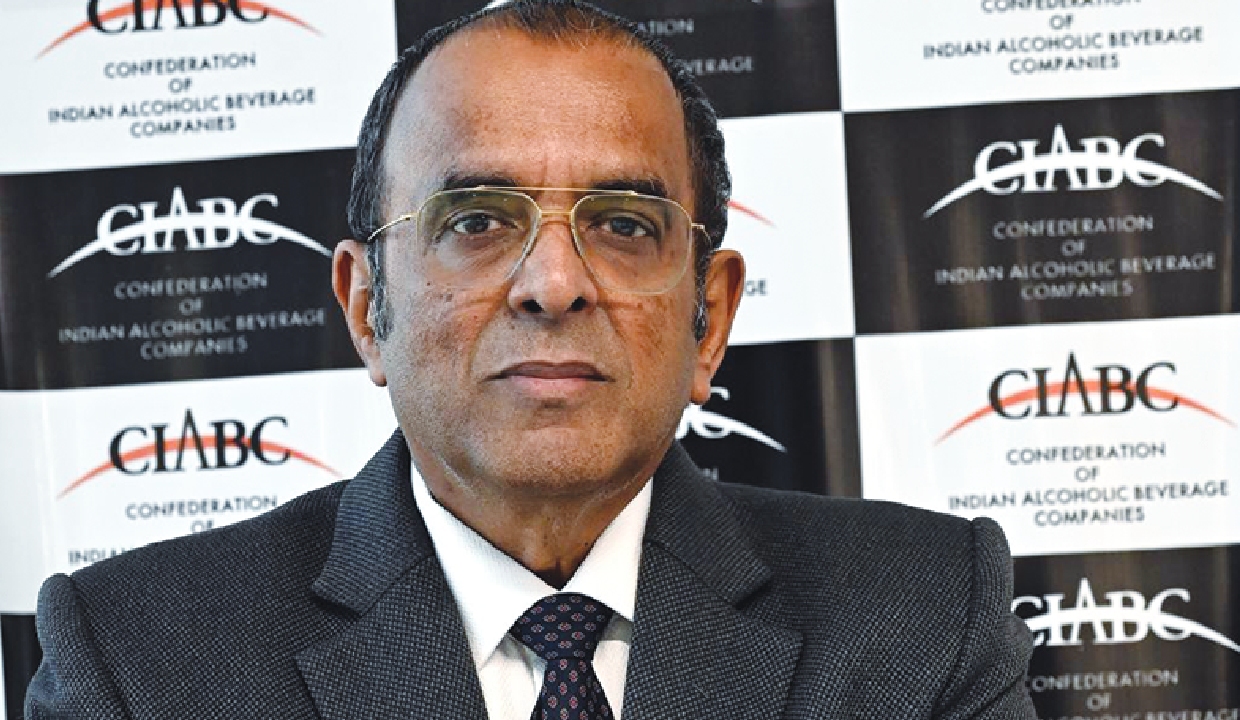
In press statement, CIABC Director General Anant S Iyer said though the introduction of the Alcohol-in-Beverage (AIB) mechanism is a progressive step and reflects the Government’s intent to reform the sector, the revised framework must be carefully calibrated to deliver balanced outcomes across three critical pillars — consumer affordability and pricing outcomes, industry sustainability with scalable production, and Government revenue with an emphasis on the quality of revenue.
“It is equally important that the policy is not perceived as favouring any particular category, including beer, as currently proposed. Karnataka’s historical transition from country liquor to regulated, quality IMFL has been a notable public policy success. In this context, affordability for the mass consumer remains paramount, particularly in the lower IMFL slabs (1–5), which account for over 85% of monthly industry volumes,” Iyer said. Following the duty increases in May 2025, these segments have already witnessed a degrowth of approximately 6%, and the current policy direction risks further deepening this trend in FY26–27, a CIABC stated.
Sustained volume contraction with the proposed AED for 1-5 slabs of spirits will have a cascading impact across the value chain — from distilleries and bottling units to ancillary industries — while also affecting the agricultural ecosystem dependent on grains and molasses. This, in turn, poses a downside risk to overall industrial and agriculture ecosystem.
While the rationalisation of duties in Slab 6 and above is a welcome step that supports premiumisation, any structural shift favouring beer may not be revenue accretive.
Data across states consistently indicates that IMFL generates 4 to 6 times higher excise revenue per case compared to beer. Further, the perception that beer consumption has a significantly lower impact on health is often overstated, as higher consumption volumes often offset the lower alcohol strength.
“We remain committed to engaging constructively with the Karnataka Government to help shape a policy framework that is equitable, sustainable, and aligned with consumer interest, industry viability, and long-term revenue optimisation,” Iyer added.