Police launch winter safety plan for traffic personnel

As Delhi continues to grapple with severe air pollution and dense winter fog, the Delhi Police have rolled out a comprehensive winter safety plan to protect traffic personnel who remain exposed to harsh conditions for long hours on city roads. The plan focuses on health protection, visibility, and accident prevention for over 6,000 traffic police personnel deployed daily across the Capital.
Senior officials said the initiative was introduced as air quality levels frequently crossed the 400 mark in recent days, placing Delhi in the “severe” category, while visibility dropped sharply due to persistent fog.
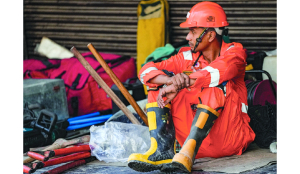
Traffic police personnel are among the most vulnerable during this period, as they spend eight to ten hours outdoors regulating traffic without shelter.
“Traffic personnel are at higher health risk because they stand on roads for long hours every day,” a senior officer of the Delhi Traffic Police said.
“We have decided to strengthen protective measures to ensure their safety during winter and high pollution levels.”
As part of the plan, around 6,000 traffic personnel have been provided with N-95 masks, winter clothing, and other essential gear. Officials said nearly 50,000 high-quality air-filter masks have already been distributed across traffic units to protect staff from prolonged exposure to polluted air.
To address the risk posed by poor visibility, the Delhi Traffic Police have also issued fluorescent jackets to personnel on duty. These jackets help ensure traffic staff remain visible to commuters during foggy mornings, evenings, and night hours, reducing the risk of accidents.
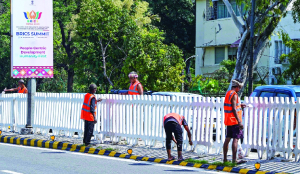
Reflective fluorescent stickers are being pasted on police barricades across the city to improve their visibility during low-light conditions. Officials said this step is crucial as fog and smog significantly reduce reaction time for drivers, increasing the chances of collisions.
“Poor visibility leads to a sharp rise in road accidents during winter,” an officer said. “By improving visibility of both personnel and barricades, we aim to protect commuters as well as our staff.”
The traffic police have also issued advisories to motorists, urging them to drive cautiously and use fog lights during the night and early morning hours. Drivers have been advised to switch on parking lights when vehicles are stationary on roadsides to avoid collisions.
Another senior officer said the winter safety plan is part of a broader welfare strategy aimed at protecting personnel from both physical and mental stress caused by pollution, cold weather, and demanding work conditions.