PM to chair CAPF leaders meet
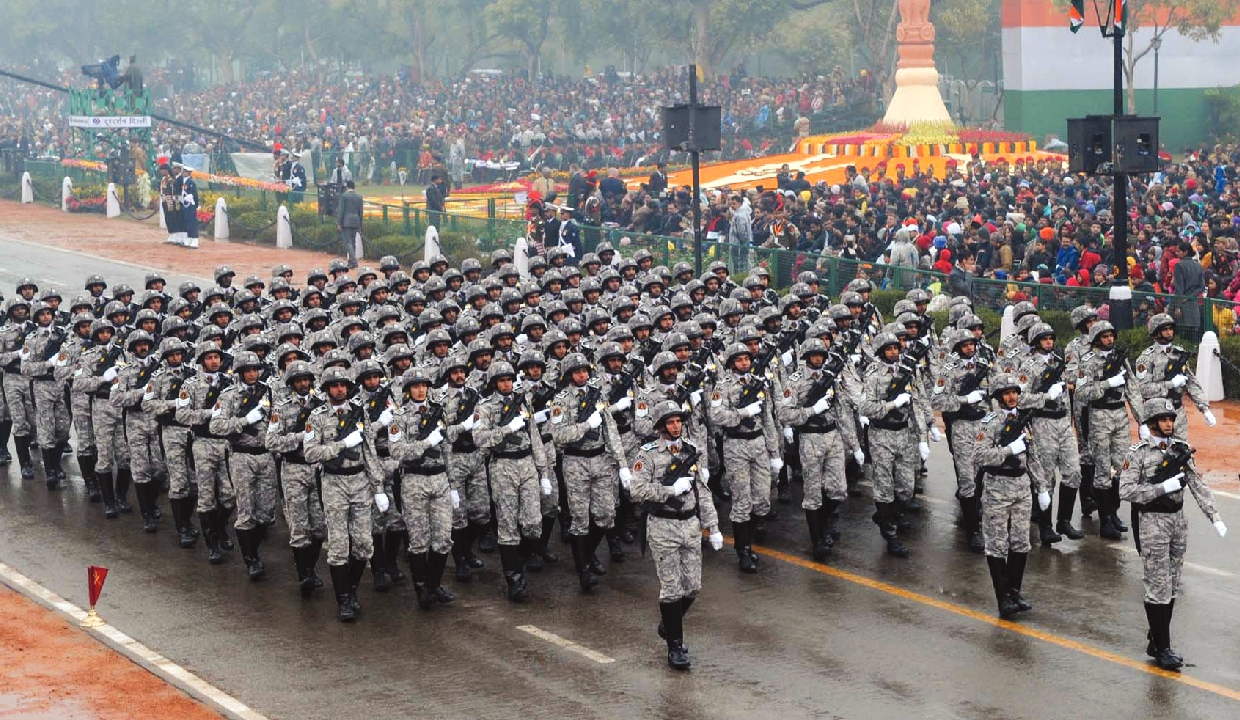
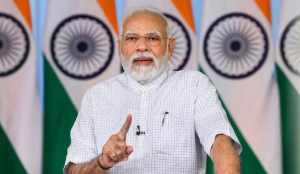
In a definitive development for India’s internal security apparatus, Prime Minister Narendra Modi is scheduled to preside over the country’s first-ever dedicated leadership conference for the Central Armed Police Forces (CAPFs) in Delhi in May 2026. Intelligence Bureau (IB) is coordinating the two-day event that will bring together senior officers from all five CAPFs: Central Reserve Police Force (CRPF), Border Security Force (BSF), Indo-Tibetan Border Police (ITBP), Central Industrial Security Force (CISF) and Sashastra Seema Bal (SSB). Union Home Minister Amit Shah, National Security Advisor Ajit Doval and heads of India’s internal and external intelligence agencies will be present in a vital leadership conference of the CAPFs being held in the national capital.
Sources indicate it could evolve into an annual fixture, akin to the established Directors General and Inspectors General of Police conference. The conference aims to foster a unified platform for top leadership to tackle evolving homeland security threats, synchronise operations across forces, state police and sister agencies and devise strategies for policy execution and national security response. Exact dates, final agenda and outcomes remain under finalisation, sources added.
This high-level political engagement underscores the growing strategic weight of the CAPFs, which collectively comprise nearly 10 lakh personnel and serve as India’s primary instrument for internal security under the Ministry of Home Affairs (MHA).
The five CAPFs perform a diverse and critical mandate that goes far beyond traditional policing: Border Security Force (BSF): Guards the Indo-Pakistan and Indo-Bangladesh borders. Indo-Tibetan Border Police (ITBP): Secures the high-altitude India-China border. Sashastra Seema Bal (SSB): Manages the Nepal and Bhutan frontiers. The Central Reserve Police Force (CRPF), handles counter-insurgency, anti-Naxal operations (Left-Wing Extremism), riot control and election duties. Central Industrial Security Force (CISF) protects vital installations, airports, metros and industrial sites.
CAPFs operate under the direct control of the MHA and embody the Centre’s constitutional duty under Article 355 to protect states from internal disturbances. Their roles have expanded significantly since the 1990s from assisting state police in law and order to leading counter-terrorism and disaster response. Today, they confront hybrid threats, persistent Left-Wing Extremism in central India, border tensions, Northeast insurgencies, Jammu and Kashmir challenges, cyber-radicalisation and urban security risks.
Senior officials describe the May conference as an opportunity to address both external threats and internal administrative challenges. The IB is finalising the agenda based on inputs from the respective CAPF Directors General. “Intelligence sharing and real-time coordination, technology integration drones, AI, cyber defences, joint training and operational synergy, policy gaps in counter-insurgency, border management and providing support to the state police forces in maintaining law and order,” an official said.
The event signals the Centre’s recognition of CAPFs as the “First Line of Defence” in an era of dynamic, asymmetric threats. Yet, it also occurs against the backdrop of potential morale issues stemming from the new Act enacted by the parliament for the CAPFs. Proponents of the legislation argue sustained IPS leadership is indispensable for national security; critics warn that unresolved cadre grievances could erode the very operational effectiveness the conference seeks to enhance.
This initiative reflects a broader evolution in India’s internal security strategy: moving from ad-hoc coordination to institutionalised, high-level dialogue. Whether the conference successfully bridges strategic vision with ground-level concern or whether lingering administrative frictions persist will shape the effectiveness of India’s paramilitary forces in the coming decade.
As India confronts multifaceted challenges to its internal and external security challenges as well, the May 2026 confluence, could mark a pivotal moment in balancing unity of command with institutional fairness, ensuring that the forces safeguarding the nation’s internal frontiers remain motivated, cohesive and operationally ready to meet the internal security challenges.