Pioneer In Short

SIR: ECI orders to restore voters
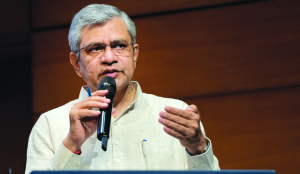
The Election Commission of India (ECI) has directed State poll officials to launch a special drive to include “left-out” and new voters in electoral rolls in areas where the Special Intensive Revision (SIR) has been completed. The exercise will seek to re-enrol eligible voters omitted or deleted during the revision and register first-time and young voters. In an official communication issued on Thursday after a virtual meeting with state chief electoral officers, the ECI stressed that voter registration is an ongoing process and no eligible citizen should be disenfranchised for not being included during SIR enumeration. Booth Level Officers (BLOs) have been asked to compare current rolls with pre-SIR lists, identify voters whose names were dropped and conduct house-to-house verification. Each BLO has been tasked with covering 20-25 electors a week, with the exercise to be completed within a month. BLOs will collect Form 6 applications on the spot and share lists with Booth Level Agents of recognised parties. The move follows Opposition allegations that the SIR exercise disenfranchised eligible voters and that the ECI and the CEC acted in tandem with the BJP.
EC data shows rolls across nine states and three Union territories fell 10.2% after SIR, with more than 60 lakh deceased voters removed. The EC said all SIR decisions were unanimous.
Nine held in LPU violence case
Nine people, including seven Lovely Professional University (LPU) students, have been arrested in connection with violence on the university campus, Jalandhar Range DIG Naveen Singla said on Friday. Two FIRs have been registered over arson, looting, rioting, damage to infrastructure, torching of police vehicles, attacks on police and blocking of the national highway. Singla said the arrests were based on CCTV footage, technical analysis and social media and media posts. One of those arrested is a juvenile. Four people were arrested in Phagwara, two in Jammu and Kashmir and two in Mumbai. The ninth suspect was also identified by police. Twenty people have been nominated in the case, the DIG said. Police said the violence followed a viral social media post on September 26 alleging that a female student had been raped in a hostel and that no action had been taken.
After students protested and blocked the highway, police registered a rape case against unknown persons and formed a Special Investigation Team. Police said no force was used against the protesters. Meanwhile, Patiala police arrested two youths for allegedly spreading false claims that two Chitkara University students had died by suicide, triggering protests and damage to a police vehicle. Police said no such incident had occurred.
New Rules to Govern Tribunal Posts, Pay
The Government has notified rules governing the National Tribunals Commission, aimed at standardising recruitment, eligibility, service conditions and remuneration for tribunal chairpersons and members. The rules, issued by the Union Law Ministry on September 30 and published on Thursday, empower the newly constituted commission to appoint chairpersons and members to 16 tribunals and appellate bodies. Under the National Tribunals Commission and Qualification, Selection and Conditions of Service of Chairperson and Members of Tribunals Rules, 2026, the commission chairperson will receive Rs 2.5 lakh a month and members Rs 2.25 lakh. Similar remuneration will apply to tribunal chairpersons and members, subject to specified exceptions.
Vacancy-filling procedures must begin at least six months before vacancies arise. Search-cum-selection committees will assess candidates through expert evaluation, personal interaction and, where applicable, written tests.
The commission, headquartered in Delhi, will comprise a chairperson, two judicial members and two technical members. A retired Supreme Court judge or former High Court chief justice will be eligible to head it.
The framework follows Parliament’s passage of the Tribunals Reforms Bill in August and Supreme Court directions for an independent, transparent mechanism to oversee tribunal appointments and functioning.