NIA links US, Ukrainian suspects to Myanmar aircraft attack
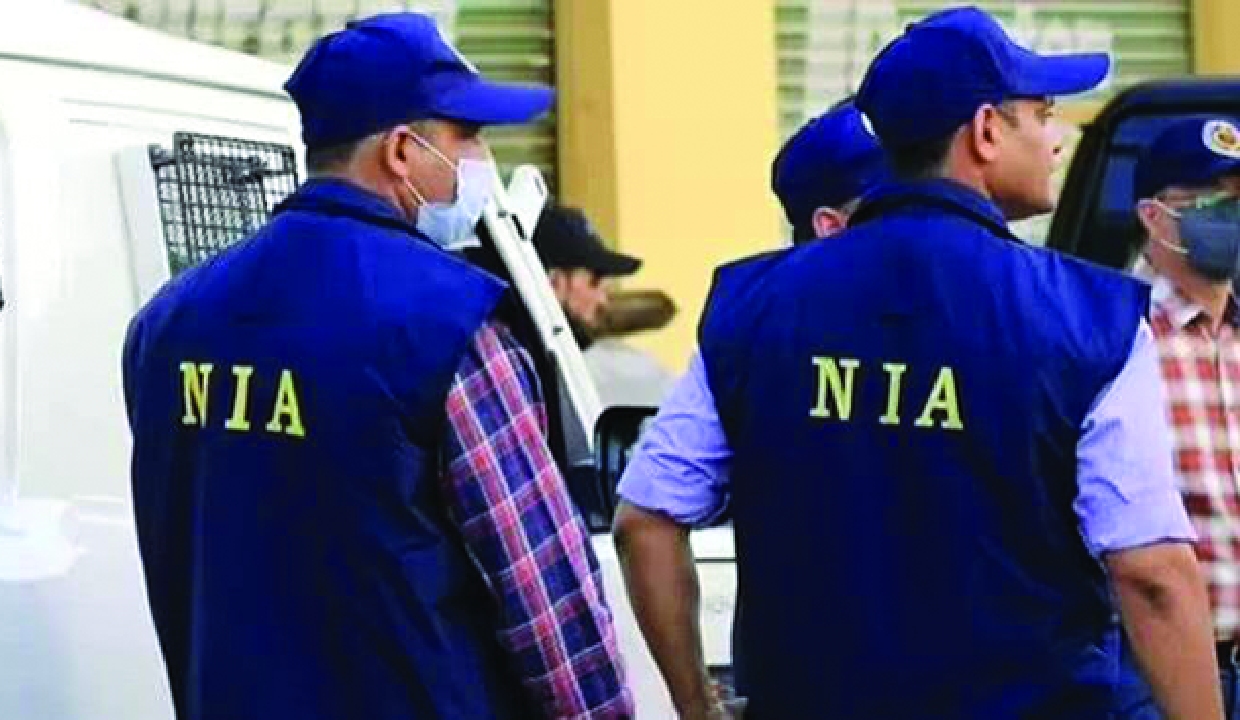
The National Investigation Agency (NIA) told a Delhi court that American citizen Matthew Aaron Van Dyke and six Ukrainian nationals arrested in March were involved in a drone attack on a civilian plane in Myanmar. The agency also claimed the group was planning terror activities in India and asked for permission to question two of the accused in Tihar Jail. Special Judge Prashant Sharma at Patiala House Courts approved the request. The court said that interrogation is a normal part of an investigation and that courts should not usually interfere while an investigation is ongoing.
The NIA wanted to question Van Dyke and Ukrainian national Kaminskyi Viktor, who are both in Tihar Jail. All seven men were arrested on March 13, 2026. Van Dyke was stopped at Kolkata airport, while the six Ukrainians, Hurba Petro, Slyviak Taras, Ivan Sukmanovskyi, Stefankiv Marian, Honcharuk Maksim, and Kaminskyi Viktor, were detained at airports in Lucknow and Delhi. They appeared before the special NIA court at Patiala House and were charged under the Unlawful Activities (Prevention) Act. They have been in Tihar Jail since early April. In its August 19 application, the NIA said the central Government had credible information that some Ukrainian and US nationals were involved in a drone attack on a civilian plane in Myanmar.
The agency connected this information to the same network it was already investigating in the March case. The NIA said that 14 Ukrainian nationals entered India on tourist visas at different times and flew to Guwahati. They then travelled to Mizoram without the special permits required for foreigners to visit the State’s protected and restricted areas.
The agency said the group then entered Myanmar illegally to give planned training in drone warfare, drone operations, assembly, and jamming technology to ethnic armed groups in Myanmar who are fighting the country’s military Government. The NIA also said that Van Dyke and the Ukrainians they arrested contacted these groups and joined the training activities.
The agency also claimed that these groups were connected to insurgent organisations in Northeast India. The accused have been charged under Section 18 of the UAPA, which covers conspiracy to commit a terrorist act, among other charges. The agency told the court that data from devices seized from the accused included images, videos, and voice samples it called “incriminating.” The NIA said this material needed to be shown to the arrested men and checked against their statements.
The NIA said it needed to question Van Dyke and Kaminskyi to get information about other suspects, described as masterminds in Myanmar, and to confront them with facts given by witnesses. The court approved the request on August 31. Questioning inside Tihar Jail was allowed as part of the ongoing investigation.
A Ukrainian translator was assigned to help during Kaminskyi’s questioning. The defence opposed further interrogation at this point, saying the request lacked sufficient legal or factual support. The court rejected this argument, saying that no law or judgment prevented it from allowing the NIA to question the accused in jail. The March arrests happened after the group allegedly travelled through Assam and Mizoram as tourists.
The NIA argues that the group’s journey went beyond what is allowed for tourists and that the accused used Indian territory to reach Myanmar without the required documents for restricted border areas. Van Dyke and the six Ukrainians are still in Tihar Jail while the NIA continues its probe.