Nepal reasserts Lipulekh claim, calls for dialogue
Nepal on Monday reiterated its territorial claim over the Lipulekh region, while urging diplomatic dialogue with India to resolve the long-standing dispute. The statement comes a day after India firmly rejected Nepal’s position, intensifying tensions between the two neighbours.
India on Sunday dismissed Nepal’s claim to the use of Lipulekh Pass in Uttarakhand for the upcoming Kailash Mansarovar Yatra, calling Kathmandu’s claim an “unilateral artificial enlargement” that New Delhi considers “untenable.” The response followed a formal objection raised by Nepal’s Ministry of Foreign Affairs regarding preparations by India and China for the annual pilgrimage route.
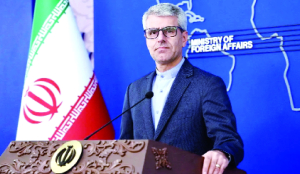
Nepal, however, maintained that it is not attempting to expand its borders. Government spokesperson Sasmit Pokharel stated that the territory in question rightfully belongs to Nepal and that the Government remains firm in its stance.
“Nepal doesn’t intend to enlarge its boundary; the territory belongs to Nepal, and the Government has a clear view about this and is committed to its stance,” Pokharel said while addressing the media. He also emphasised the need for a peaceful resolution, adding that the matter should be settled through “collaboration and diplomatic dialogue” between the two countries.
Pokharel confirmed that Nepal’s Foreign Ministry has already communicated its concerns to India through a formal letter.
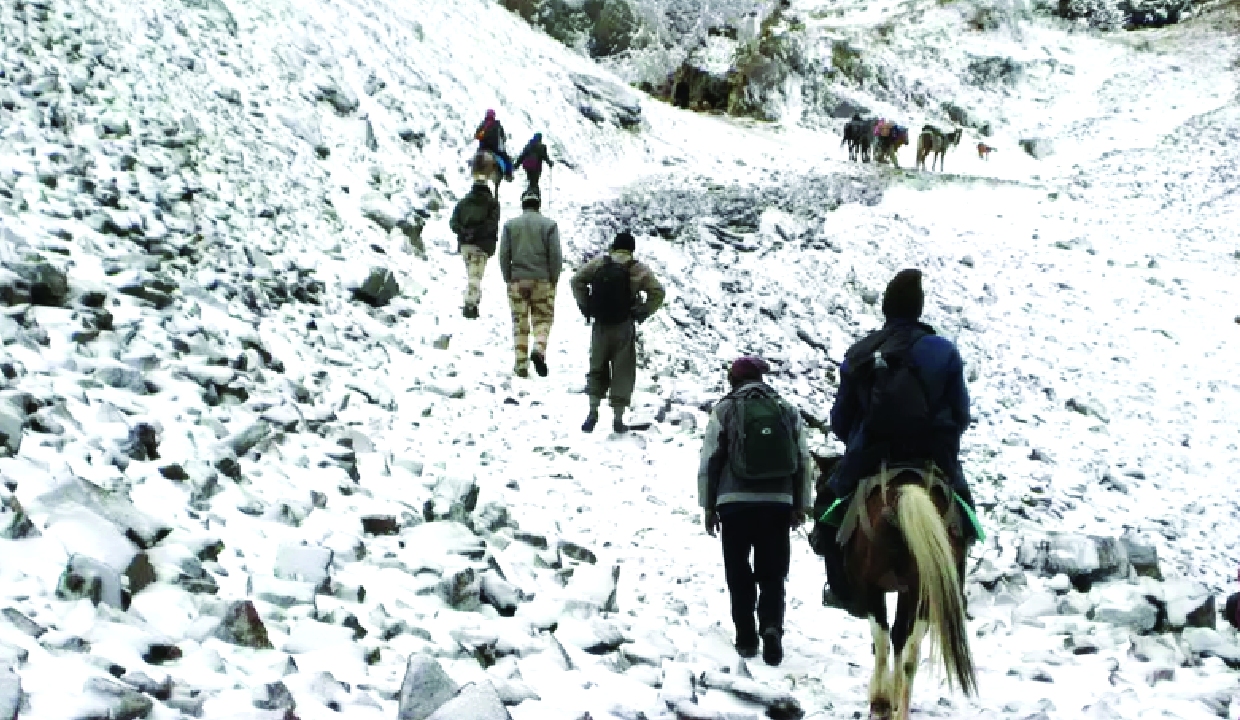
The dispute has gained renewed attention due to the upcoming Kailash Mansarovar Yatra, a pilgrimage of deep religious significance for Hindus, Jains, and Buddhists. The, which leads to Mount Kailash and Mansarovar Lake in Tibet, resumed last year after a nearly five-year hiatus as part of broader efforts to stabilise relations between India and China.
On April 30, India’s Ministry of External Affairs announced that this year’s yatra will be held between June and August, with routes passing through Lipulekh Pass in Uttarakhand and Nathu La in Sikkim.
While both nations have previously managed the dispute through diplomatic channels, the latest exchange signals a renewed strain, with calls growing for constructive engagement to prevent further escalation.