NEET-UG 2026: Teachers became the weakest link
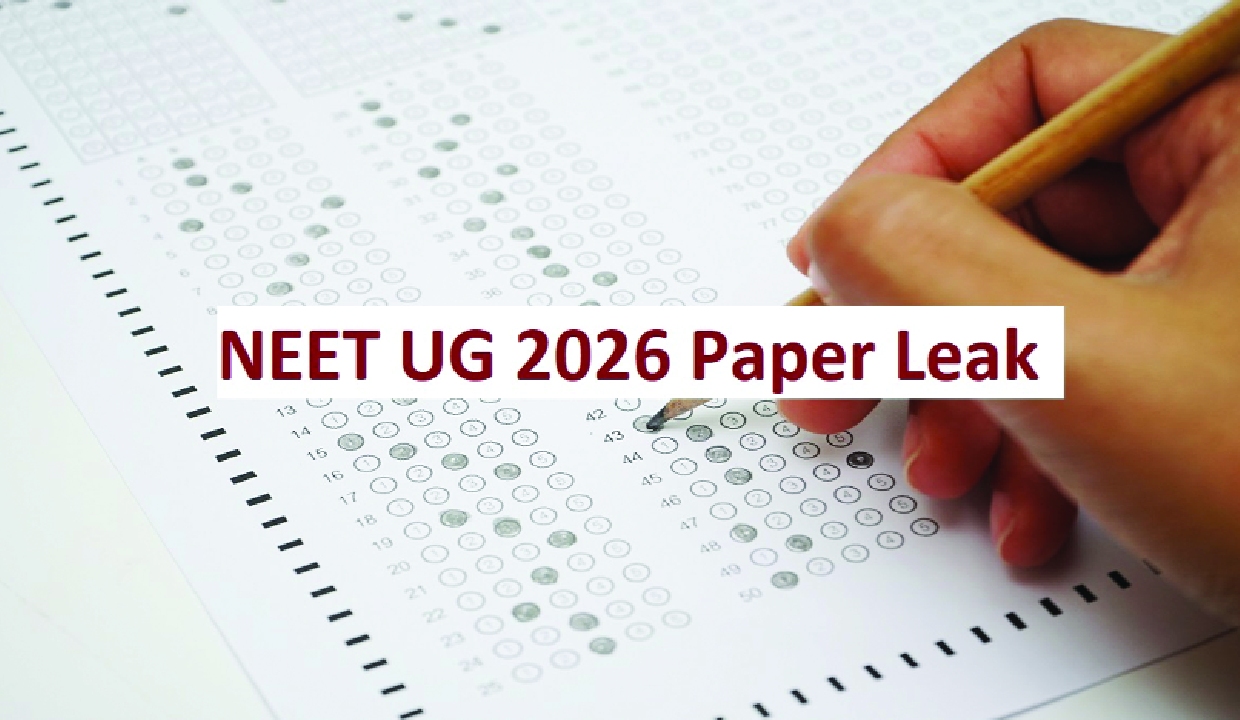
The National Testing Agency (NTA) tried to keep the NEET-UG examination secure, but the system failed because three teachers, trusted with both setting and translating the papers, quietly found a way in. According to sources close to the investigation, giving the same people both roles was the main weakness that led to the 2026 medical entrance test being compromised. In contrast to the open leak in 2024, when a centre-in-charge worked with a group to steal and share a real question paper, the 2026 problems were more subtle.
The Central Bureau of Investigation (CBI) told the NTA to change how exams were transported, handled, and conducted. The NTA followed these suggestions. No physical paper was stolen in 2025 or 2026. Still, the exam was cancelled on May 12 when a candidate turned in a set of questions that matched the real ones.
The three subject experts on the NTA panel — chemistry teacher PV Kulkarni, physics teacher Manisha Gurunath Mandhare, and biology teacher Manisha Sanjay Havaldar — were responsible for both finalising the questions and translating them into Marathi.
The process took several days in a secure setting. Each evening, the teachers went home to Pune, taught their usual tuition classes, and came back the next day.
Investigators believe that during this time, they memorised the final version of the paper. Later, in their coaching classes, they recreated a question bank and marked some questions as “very important.”
Students in a private group got these questions, but the teachers never said they were from the upcoming national exam.
This situation might have stayed local if not for Manisha Waghmare, a beautician who knew the teachers. She got the question bank from students, typed it up as a formal question paper, and sold it to Dhananjay Nivrutti Lokhande. From there, the material passed through several people in different states, with large sums of money involved.
If Waghmare had not been involved, the questions might not have reached so many students, and the problem might have stayed hidden. Instead, one paper ended up with a candidate who reported it to the NTA.
The Union Ministry of Education handed over the case to the CBI, which acted quickly. Within days, the agency arrested 13 people, including the three teachers, Waghmare, Lokhande, coaching institute associates, and several intermediaries.
A chargesheet with all their names has been filed in a special court in New Delhi. Bank accounts, lockers, and a demat account connected to the accused have been frozen.
The CBI has informally conveyed to the NTA that allowing the same individuals to handle both setting and translation creates problems. The CBI has told the NTA that letting the same people set and translate the exam gave them too much access and time. Formal recommendations are expected soon.
“This case shows a bigger problem in the system. Secure rooms and limited movement do not help if the experts can leave each night, teach, and come back. In the end, it is much harder to control what someone remembers than to lock up a trunk”, sources added.
For the NTA, this shows that the procedural reforms made after 2024 only tackled the most obvious weaknesses. The human factor, such as trusted subject experts with multiple roles and free time in the evenings, was overlooked until three teachers, a beautician, and a group of intermediaries showed how easily it could be misused.
The agency, known for conducting one of India’s most important exams, now has to face the uncomfortable fact that the biggest risk can sometimes come from inside the exam room itself.