Nava Raipur for smart tech tourism semiconductors
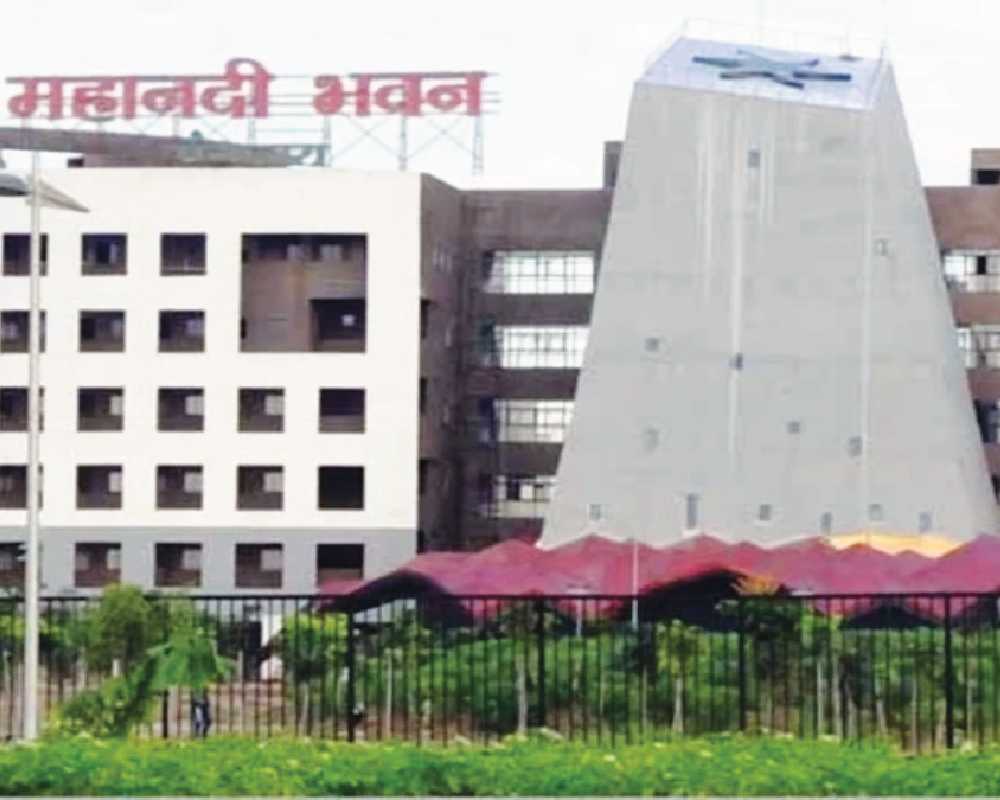
From chip fabrication labs to film studios and from eco-tourism resorts to metro corridors, Nava Raipur is being positioned as much more than administrative Capital of Chhattisgarh. The Government’s pitch is clear: this is India’s new- age city, built not only with brick and mortar but with silicon, solar and cultural Capital. If the investments translate into reality, by the end of the decade Nava Raipur could well become the template for how a planned Indian city can marry governance, green living, global industries and cultural tourism.
“We are planning the development of a State Capital Region to ensure integrated growth of the entire capital area. I have directed officials to work on expanding rail connectivity. The upcoming Parmalkasa-Kharsiya railway line, being built by the Government of India through Balodabazar, will be connected to Nava Raipur, enhancing access and benefiting the public. The development of Naya Raipur is a top priority for the Government. It is emerging as the country’s most modern and attractive capital.
The establishment of a semiconductor unit and an AI-based data center park will further develop it into an IT hub. Prestigious institutions such as IIMs, IIITs and the National Law University are making it a major educational hub, said Chhattisgarh Chief Minister Vishnu Deo Sai. Twenty years after it was first conceived as a greenfield Capital, Nava Raipur — Atal Nagar is finally beginning to look like the city planners once promised: wide avenues, underground utilities, seamless power and water supply and an ambitious claim of being India’s first debt-free planned city.
Spread across 237 sq km, with 80 sq km marked as the core development area, Nava Raipur is larger than Chandigarh or Lutyens’ Delhi. The Nava Raipur Atal Nagar Vikas Pradhikaran (NRANVP) has allocated 27 per cent of its land to green cover, lakes and open spaces, ensuring the city remains both livable and climate-resilient. The master plan envisions 600,000 residents by 2031, supported by planned zones for governance, IT, education, industry and housing. Unlike most Indian cities, Nava Raipur was designed with underground utility corridors carrying electricity, water and telecom lines.
Its Integrated Command and Control Centre (ICCC) monitors 148 CCTV cameras, traffic signals, SCADA-controlled water supply and streetlights — making it one of the few cities in India where administrators can literally “see” and manage the city from a single dashboard. Nava Raipur has been positioned as a knowledge hub. Institutions like IIM Raipur, HNLU, IIIT and AIIMS already anchor the city, while the state cabinet in 2025 cleared ?271.18 crore for a National Institute of Fashion Technology (NIFT) campus.
Together, these institutions are expected to cater to 100,000 students by 2030, generating both academic prestige and thousands of direct and indirect jobs. Perhaps the boldest bet is the state’s leap into semiconductors. On April 11, 2025, Chief Minister Vishnu Deo Sai laid the foundation stone for Chhattisgarh’s first Gallium Nitride (GaN)-based semiconductor plant at Nava Raipur. While semiconductors make headlines, the state’s Investor Meet 2025 highlighted another engine of growth: tourism and hospitality.
According to the Tourism Department, 14 land parcels covering 163 acres have been identified across the state, including a 93-acre prime site in Mana, Raipur, reserved for a Film City and Convention Centre. The Government of India has sanctioned ?95.79 crore for the Film City and ?51.87 crore for the Convention Centre, with tenders already issued in September 2025