Mexican cartel clashes threaten FIFA World Cup tourism
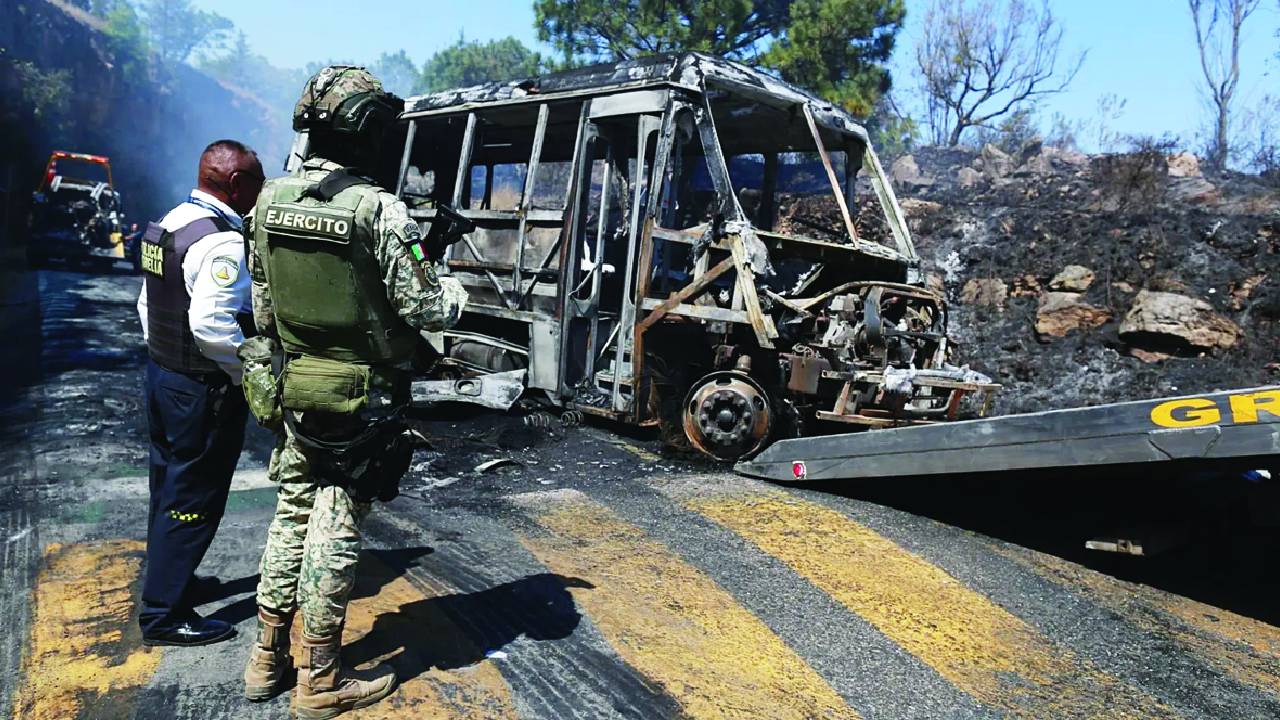
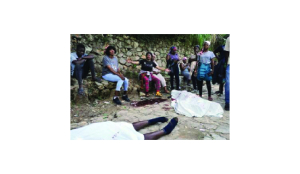
Maria Dolores Aguirre’s family corner store has lived off tourism that has flowed into her charming cobblestoned town of Tapalpa, tucked away in the mountains of Jalisco state. That was until gunshots erupted and helicopters flew overhead as the Mexican army killed the country’s most powerful drug lord, just a few kilometers from her home.
Now, the 50-year-old Aguirre worries that the bloodshed will deal a blow to her livelihood and change towns like hers. It is something many in the western Mexican state are grappling with, from its Pacific Ocean beaches to its Capital Guadalajara that will host matches in June for the 2026 FIFA World Cup.
“It’s going to affect us. It’s collateral damage,” Aguirre said. “The Government is going to have to have a lot of security... The entire world just saw what happened and, of course, people are going to think twice about coming.” Fighting between the Jalisco New Generation Cartel and Mexican security forces raged on in a number of states Monday, fuelling fears among many like Aguirre that there will be more violence to come.
More than 70 people died in the attempt to capture Nemesio Oseguera Cervantes and its aftermath, authorities said. Known as “El Mencho,” he was the notorious leader of the Jalisco New Generation Cartel, one of the fastest-growing criminal networks in Mexico, known for trafficking fentanyl, methamphetamine and cocaine to the United States and staging brazen attacks against Mexican Government officials.
The White House confirmed that the US provided intelligence support to the operation to capture the cartel leader and applauded Mexico’s army for taking down a man who was one of the most wanted criminals in both countries. The US State Department had offered a reward of up to $15 million for information leading to the arrest of “El Mencho”.
The death of Oseguera Cervantes came as Mexico’s Government has stepped up its offensive against cartels in an effort to meet demands by US President Donald Trump to crack down on criminal groups, threatening to impose more tariffs or take unilateral military action if the country does not show results. (AP )