MDR on UPI gets LS nod
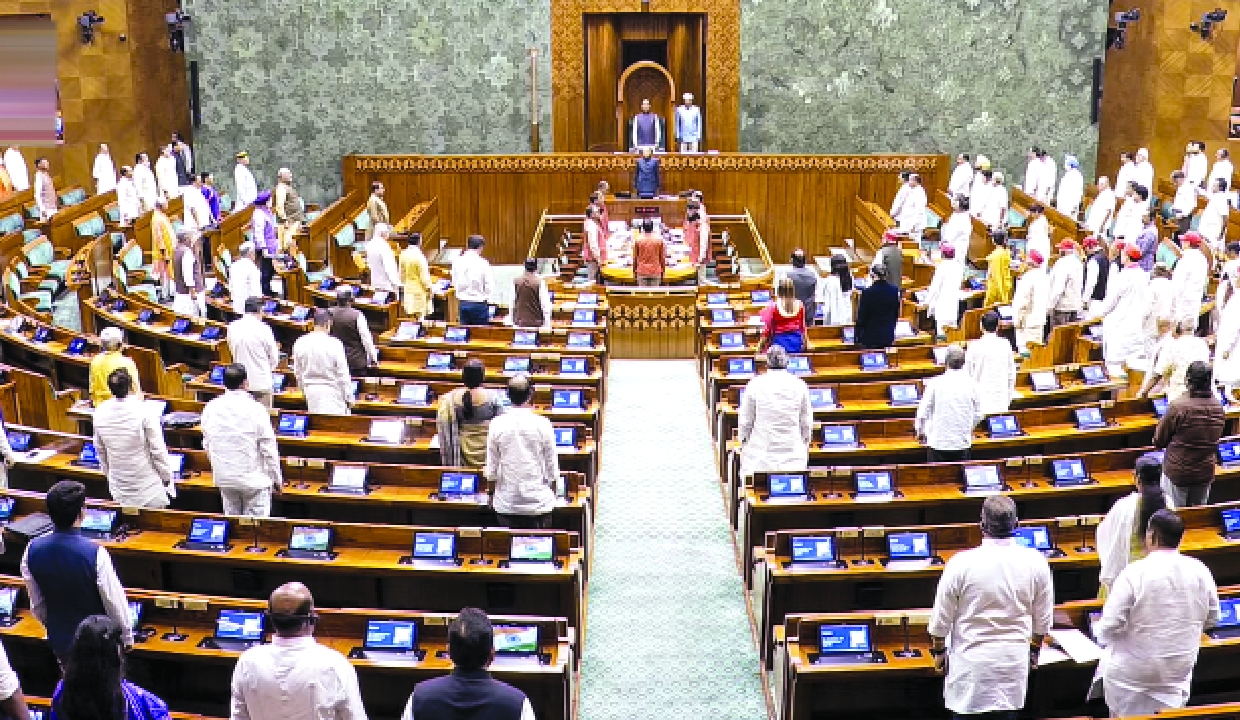
The Lok Sabha on Thursday passed a Bill to amend the Payment and Settlement Systems Act, 2007, that authorises the Government to permit banks and other service providers to levy charges on payments through Unified Payments Interface (UPI) and other notified electronic payment modes. The amendment passed by the House without discussion amid din seeks to remove the existing legal provision that prevents banks and payment service providers from charging Merchant Discount Rate (MDR) on notified electronic payment modes.
While bankers and other stakeholders in the payment industry have been pressing for MDR on UPI, the Government has so far not moved in the matter. Some watchers have been expecting MDR to set in for UPI transactions above a certain value between a merchant and customer, and not in the case of peer-to-peer payments.
“MDR applies only on the merchants and not on the end users/customers. It will support the banks and Fintech companies to invest more on infrastructure, innovation and security,” Union Minister of Finance, Nirmala Sitharaman clarified on X.
“All users of UPI will reap the benefits of this investment. More importantly, the UPI and Services Steering Committee headed by NPCI is yet to decide on the MDR. This will happen after the Parliament passes the Taxation and Other Laws (Amendment) Bill, 2026, which propses to amend Section 10A of the Payment and Settlement Systems Act, 2007,” she added.
The Bill does not impose any charges immediately. Instead, it empowers the Union Government to determine which payments may stay free and which ones will entail an MDR via further announcements. Real-time payments made through RTGS and NEFT are done by paying a service charge.
UPI transactions have been exempted from such charges so far. The proposed changes is a part of comprehensive legislation on taxation, which was introduced in the House on Tuesday.
Through the amendment, the Government has now been empowered to determine through notifications which payment methods would continue to have zero charges. Therefore, the Bill itself does not announce any fee or timeline for introducing charges.