Low tyre pressure costs India Rs 4,500 cr in fuel every year: ATMA
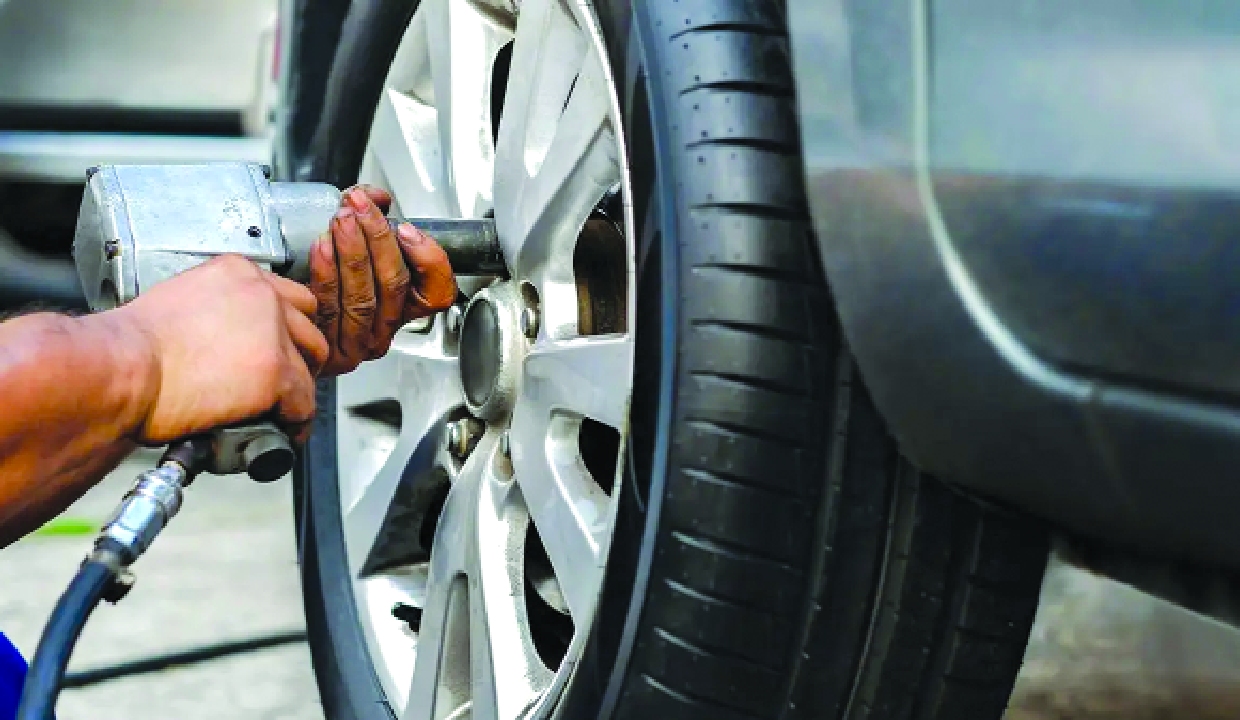
India is estimated to be losing over 42 crore litres of petrol worth more than Rs 4,500 crore every year due to low tyre pressure, one of the most neglected aspects of vehicle maintenance, according to a study by industry body ATMA.A large number of passenger vehicles on Indian roads are being driven with tyre pressure below the manufacturer-recommended levels, resulting in substantial fuel wastage, higher vehicle operating costs and increased road safety risks, as per the study by the Indian Tyre Technical Advisory Committee (ITTAC), the technical arm of Automotive Tyre Manufacturers’ Association (ATMA).
Over the past few years, tyres of more than 1.3 lakh passenger vehicles, including two-wheelers, have been checked across the country, including nearly one lakh tyres during the last year alone, ATMA said.
“The findings reveal that 32 per cent of tyres were operating with air pressure lower than 20 per cent of the recommended level, while another 21 per cent had tyre pressure between 10 per cent and 20 per cent below the recommended level,” it added.
Citing international studies, ATMA said every one PSI drop in tyre pressure lowers fuel efficiency by approximately 0.2 per cent.
Based on the tyre pressure data gathered during the survey, ATMA estimates that low tyre pressure is resulting in a fuel efficiency loss equivalent to 0.75 per cent of India’s total fuel consumption by vehicles.
“With annual petrol consumption in India estimated at 56.77 billion litres and almost the entire petrol being consumed by passenger vehicles, including two-wheelers, this translates into a loss of approximately 42.57 crore litres of petrol every year. At prevailing retail fuel prices, the value of this wasted fuel exceeds Rs 4,500 crore annually,” ATMA said.
It, however, said the present estimate pertains only to petrol consumption and does not include diesel, CNG or LPG as a fuel used by these vehicles.
“The actual national fuel loss resulting from low tyre pressure is therefore likely to be even higher,” it added.
Commenting on findings, ITTAC Chairman Renji Issac said, “The survey highlights a hidden but significant drain on both household budgets and the national economy. At a time when fuel prices have gone up owing to the West Asia conflict, maintaining the correct tyre pressure is one of the simplest and most effective ways to improve fuel efficiency and reduce fuel expenses.”
The low inflation pressure also increases the emissions, resulting in more atmospheric pollution, he added.
ATMA Safety Awareness Group Chairman, Sudershan S Gusain, said apart from the economic cost, low tyre pressure also has serious safety implications.
“Tyres operating below the recommended pressure generate excessive heat, adversely affect vehicle handling and braking performance, increase stopping distances and are more susceptible to tyre damage or sudden failure, particularly during high-speed travel,” he added.
Low tyre pressure also accelerates uneven tyre wear, reducing tyre life and increasing replacement costs, Gusain added.