One nation, one uniform: India may soon get a common police uniform after 77 years
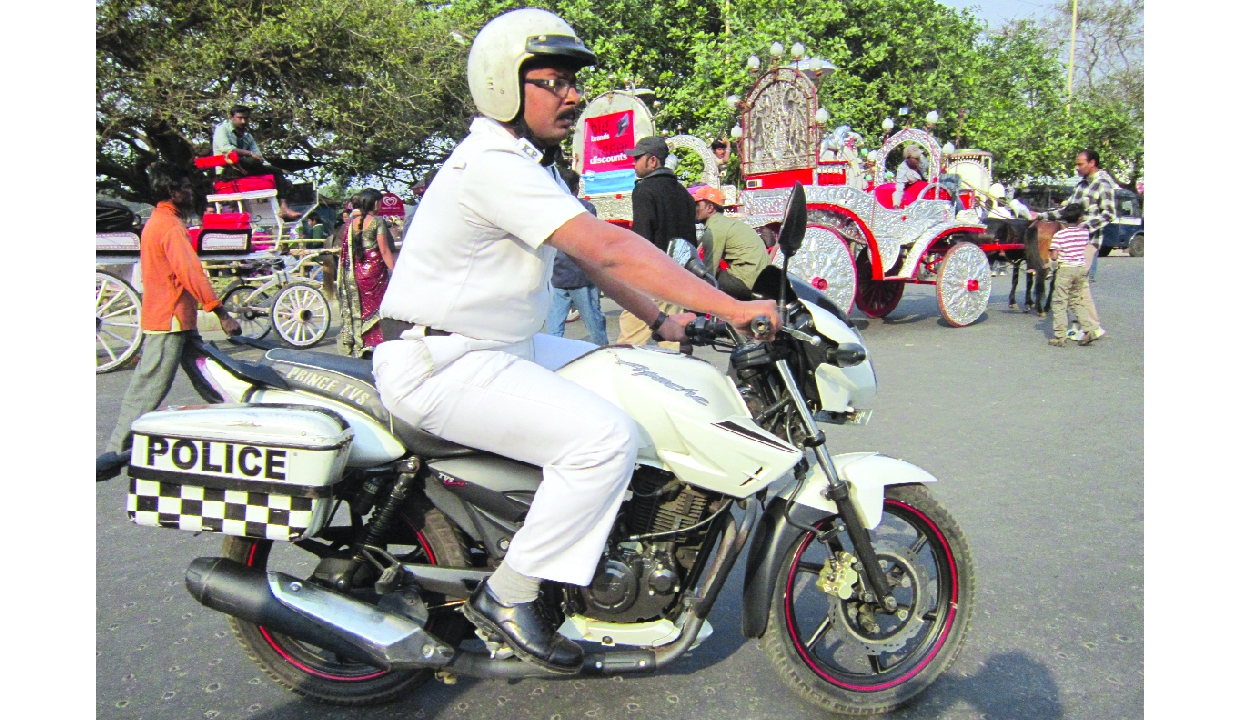
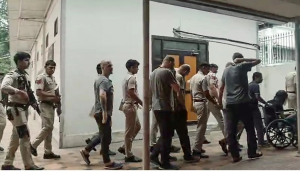
Picture a tourist in Delhi asking a constable in khaki for directions. In Kolkata, the same tourist might hesitate before approaching an officer in white. In Rajasthan and Kerala, even the khaki looks different. For years, police uniforms in India have come in many colours and styles, shaped by British rule and State preferences.
Police uniforms in India vary by State, influenced by both colonial traditions and local preferences. Now, the Ministry of Home Affairs (MHA) is considering adopting a single colour for police uniforms nationwide.
This suggestion has been discussed before. In October 2022, Prime Minister Narendra Modi spoke with State home ministers about the one-nation-one-police-uniform plan. He said police uniforms should be as easy to recognise as a red-and-black postbox, so people anywhere in India can quickly identify police officers.
Since law and order is a State subject, police uniform styles have differed across India since Independence. Most forces picked khaki, first used in 1847 by Sir Henry Lawrence, because it fits Indian conditions. Kolkata Police have kept their white uniforms since 1845, as they suit the city’s humid weather. Small differences in shade, fabric, and design remain across States.
The Bureau of Police Research and Development (BPR&D) is now studying fabric, colour, insignia, comfort, and cost to recommend a single uniform model for the whole country. States will keep their own emblems and rank badges, so regional identity remains, but the main colour and design will be the same everywhere. The MHA will later share colour codes and step-by-step buying instructions. This will be the first time since 1947 that Indian police have followed a single design standard.
There are both practical and symbolic reasons for this change. A standard colour would help prevent confusion during inter-State operations, joint exercises, and large public events. Buying uniforms in bulk could lower costs and improve quality by addressing issues such as uncomfortable fabrics and insufficient pockets. Most importantly, a single uniform would show the police as a united national force, not just separate State groups. The main goal is visual unity while keeping State emblems and rank badges. Still, there are challenges to solve.
Changing uniforms for millions of police personnel will be costly. Some States may not want to give up their traditional styles. For example, Kolkata’s white uniform is an important part of the city’s culture.
Choosing a colour that works for India’s many climates is also a challenge. Khaki is practical, but BPR&D must also consider visibility, heat reflection, and fabric longevity. People have mixed opinions, while some national pride, others worry it could weaken the federal structure.
The MHA is currently collecting data as the era of many different uniforms may be ending.
Leave a Comment
Comments (2)
Improve functioning of the Police, give them Autonomy, Reduce the corruption, See that the common man gets justice that will make a more visible change than uniformity in uniforms
Very good initiative but the issue is MH should also think about the constabari of each state where the rules and regulations are as per state government especially in UP armed police and civil police are different like PAC is in UP which is heavily partialised by the government while they are also the equal duties of the police officer don't think about them