Kerala’s tiny lifeline: How a 10-month-old became a beacon of hope
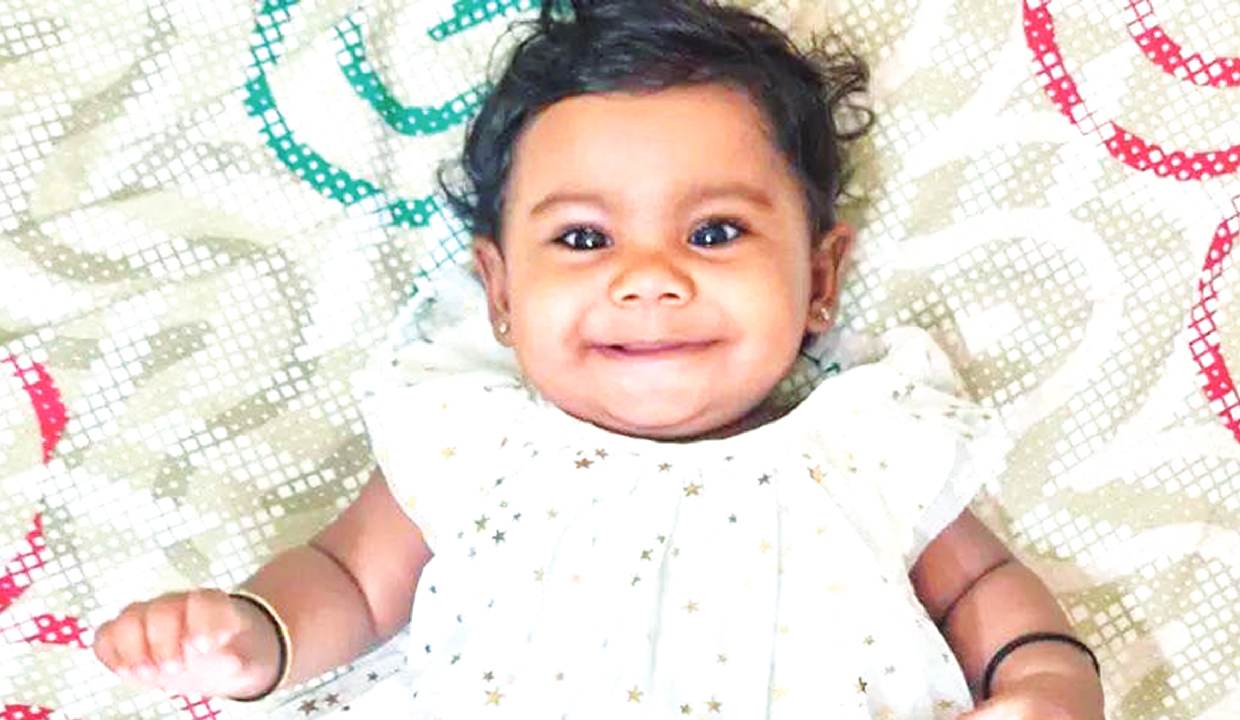
On a quiet Sunday afternoon in Pathanamthitta district, the tiny white coffin of 10-month-old Aalin Sherin Abraham was lowered into the earth to the sound of muffled sobs and whispered prayers.
Hundreds gathered — neighbours, strangers, officials — not merely to mourn a life that ended far too soon, but to honour an act of extraordinary generosity: Aalin, declared brain-dead after a tragic road accident, became Kerala’s youngest recorded organ donor, her parents consenting to donate her organs so that others might live.
In the days since her death, admiration has poured in from across the state — from health ministerial tributes to hundreds of locals lining the funeral route. Yet while Aalin’s story is one of compassion and selflessness, it also touches on a larger, complex tapestry of medicine, ethics, necessity, and criminality that surrounds the global system of organ donation and transplantation.
Aalin’s gift
Who received her organs — and what they were: In the aftermath of the accident that claimed her life on February 5, Aalin’s parents — Arun Abraham and Sherin Ann John — made an agonising but decisive choice. With the support of the Kerala State Organ and Tissue Transplant Organisation (K-SOTTO), her organs were retrieved with swift coordination from multiple medical facilities.
The organs and how they were allocated
Liver: transplanted into a six-month-old infant at Kerala Institute of Medical Sciences (KIMS) Hospital, Thiruvananthapuram — making this baby among the youngest known recipients of a posthumous infant liver donation in the State.
Kidneys: Donated to a 10-year-old girl, Sreya, at Government Medical College Hospital, Thiruvananthapuram.
Heart Valve: sent to a cardiac surgery centre at SreeChitraTirunal Institute for Medical Sciences and Technology.
Eyes (corneas): entrusted to an eye bank for future sight-restoring procedures. Across the State, surgeons and organ recipients’ families have described the transplants as life-changing — or, in the case of organs like the corneas and heart valve, potentially life-saving.
When children donate
Global Stories of Infant and Childhood Organ Donation, Aalin’s story, while remarkable in its youth, is not entirely without precedent. Across history and around the world, families who lose children to sudden death sometimes choose to donate available organs — particularly corneas — to reduce suffering and preserve a legacy of hope. One of the better-known historical examples is Janis Anne Babson, a 10-year-old Canadian girl who died from leukaemia in 1961 and whose wish to donate her corneas helped spark broader public awareness of corneal transplantation.
Such cases are rare because infant donation is medically and ethically complex: organs must be viable, the donor must be declared brain-dead according to stringent medical criteria, and consent must come from grieving families. But they underscore both the possibility and impact of donation even at the earliest stages of life.
The ethics and need
Why organ donation matters and why it fails to meet demand: Globally, tens of thousands of patients die each year waiting for organs because of a chronic shortage. Even in countries with robust donation systems — such as the United States or much of Europe — waiting lists vastly outnumber available organs, and waiting times stretch for years. This shortfall has driven ethical debates and legislation promoting donation, including “opt-out” policies in several European Union nations where adults are presumed donors unless they register otherwise.
Despite ethical frameworks like the Declaration of Istanbul, which seeks to curb organ trafficking and transplant tourism by promoting equity and ethical consent, only a fraction of patients who need transplants ever receive them.
India, likewise, battles the dual challenge of encouraging voluntary donation while maintaining strict legal oversight under statutes such as the Transplantation of Human Organs and Tissues Act. Authorities track legal donation and transplants through registries, public awareness campaigns, and coordinated hospital networks — but progress remains uneven.