Japan wins local consent to restart World’s largest nuclear plant
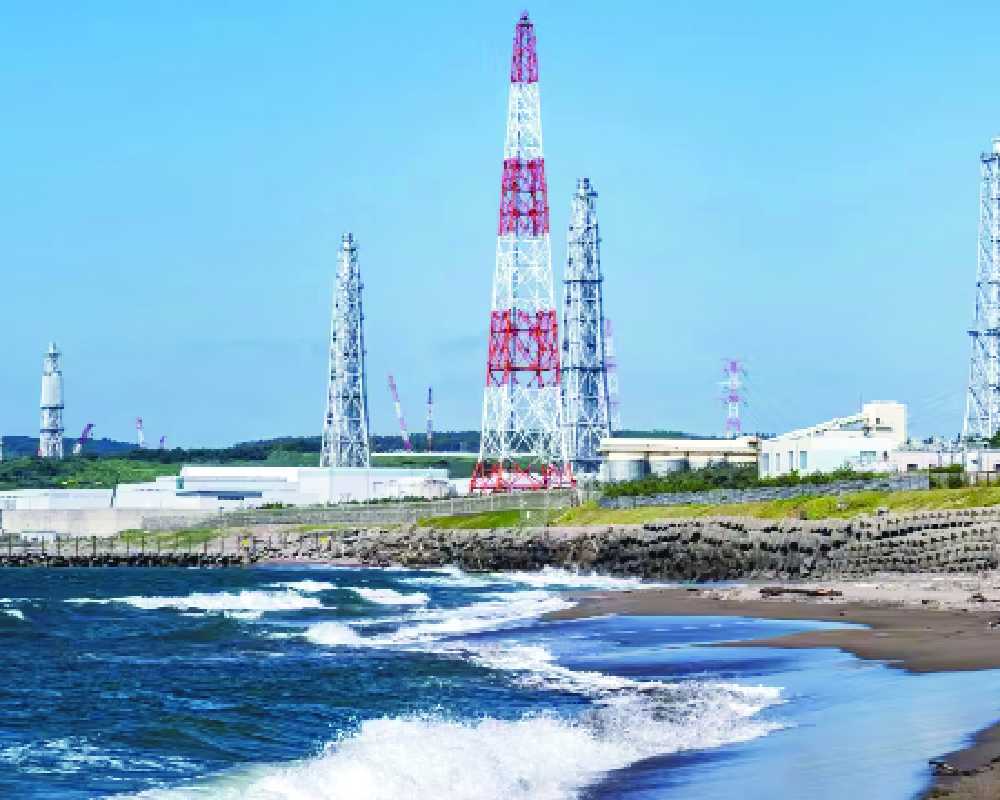
The governor of Niigata on Tuesday formally gave local consent to put two reactors at the Kashiwazaki-Kariwa nuclear power plant in the north-central prefecture back online, clearing a last hurdle toward restarting the plant idled for more than a decade following the 2011 meltdowns at another plant managed by the same utility.
Governor Hideyo Hana-zumi, in his meeting with Economy and Industry Minister Ryosei Akazawa, conveyed the prefecture’s “endorsement” to restart the number 6 and number 7 reactors at the Kashiwazaki-Kariwa plant, accepting the government’s pledge to ensure safety, emergency response and understanding of the residents.
Restart preparations for number 6 reactor have moved ahead, and utility company TEPCO is expected to apply for a final safety inspection by the Nuclear Safety Authority later this week, ahead of a possible resumption in January. Work at the other reactor is expected to take a few more years. The move comes one day after the Niigata prefectural assembly adopted a budget bill that included funding necessary for a restart, supporting the governor’s earlier consent.
“It was a heavy and difficult decision,” Hanazumi told reporters. Hanazumi also met with Prime Minister Sanae Takaichi, who also supports nuclear energy, and asked her to visit to observe the safety at the plant. Japan once planned to phase out atomic power following the disaster at the Fukushima plant caused by an earthquake and tsunami. But in the face of global fuel shortages, rising prices and pressure to reduce carbon emissions, the Government has reversed its policy and is now seeking to increase nuclear energy use by accelerating reactor restarts, extending their operational lifespan and considering building new ones.
Of the 57 commercial reactors, 13 are currently in operation, 20 are offline, and 24 others are being decommissioned, according to the nuclear authorities. The Kashiwazaki-Kariwa plant, which comprises seven reactors, is the world’s biggest. The plant has been offline since 2012 as part of nationwide reactor shutdowns in response to the March 2011 triple meltdowns at TEPCO’s Fukushima Daiichi plant. Reactors No. 6 and 7 at Kashiwazaki-Kariwa had cleared safety tests in 2017, but their restart preparations were suspended after a series of safeguarding problems were found in 2021.
The Nuclear Regulation Authority lifted an operational ban at the plant in 2023. Its resumption again faced uncertainty following the Jan. 1, 2024, earthquake in the nearby Noto region that rekindled safety concerns among local residents about the plant and evacuation in case of a major disaster. The industry ministry sought an early resumption approval from Niigata two months later.