Jaishankar, Rubio meet over Russia oil sanctions
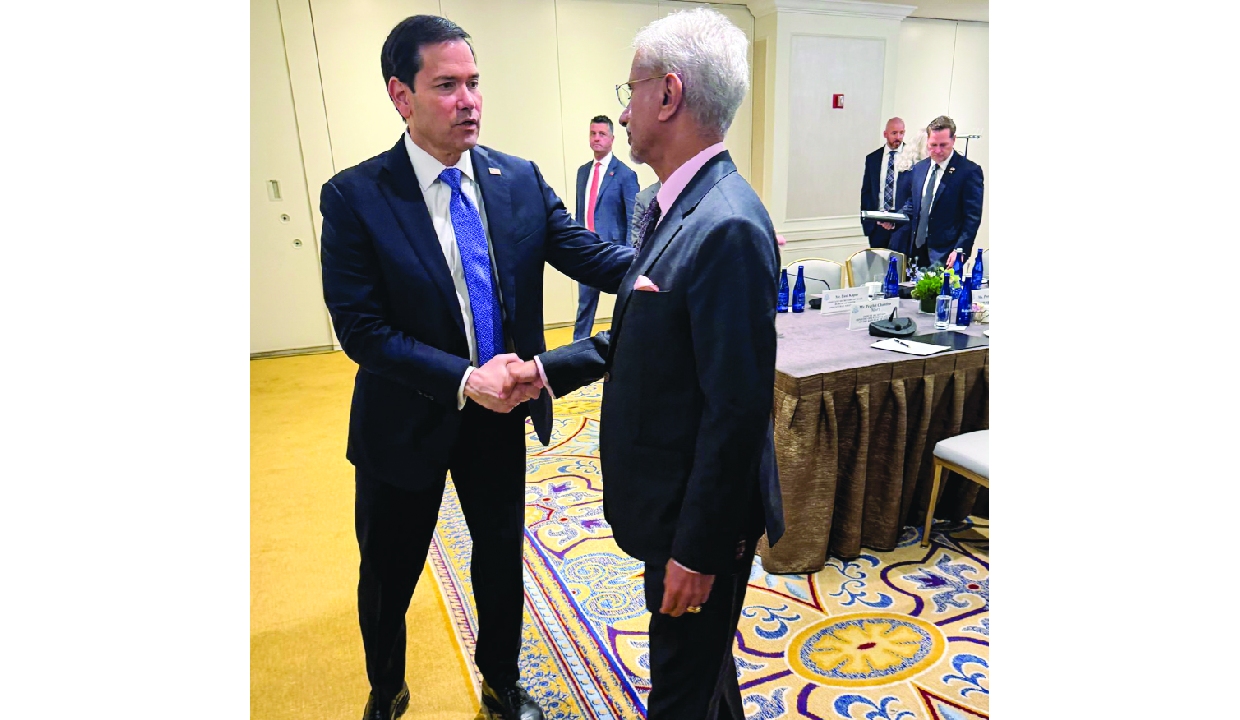
India's concerns over Washington's latest sanctions framework targeting countries that continue to purchase Russian energy emerged as a key issue during External Affairs Minister S Jaishankar's meeting with US Secretary of State Marco Rubio on the sidelines of the United Nations General Assembly on Wednesday.
The contrast between the two sides' public accounts of the meeting was notable.
Jaishankar's social media post specifically identified the newly enacted sanctions legislation as one of the subjects discussed, alongside developments in the Gulf and the Ukraine conflict.
Rubio, by contrast, made no public mention of the sanctions issue. His post described the meeting as part of efforts to strengthen the US-India strategic partnership and coordinate on regional and multilateral priorities.
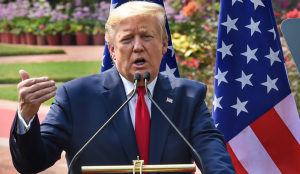
The divergence comes days after New Delhi cautioned Washington that applying the new sanctions mechanism against India could have consequences for bilateral relations. The Sanctioning Russia and Iran Act (SRIA), signed into law by President Donald Trump last week, gives the US administration the power to impose tariffs of as much as 100% on countries that are major purchasers of Russian oil and gas.
India has maintained that its energy purchases are guided by national and economic interests. New Delhi has also stressed the importance of maintaining access to affordable energy for its population of around 1.4 billion people and has indicated that it will take steps to safeguard its economic interests.
The sanctions debate has also raised questions about Washington's own energy relationship with Russia. The United States has retained an exemption permitting Russian uranium imports, even while threatening penalties against other countries that continue buying Russian energy. US reliance on Russian-origin enrichment services remained significant in 2025, as Washington worked to expand alternative domestic capacity.
Former US official and South Asia specialist Evan Feigenbaum has also questioned the consistency of Washington's approach. He has pointed to US consideration of a potential agreement to purchase potash from Belarus, a close Russian ally, while India faces pressure over its Russian energy imports. Trump has presented the proposed Belarus deal as a means of securing lower-cost fertilizer for US farmers.
Energy costs have meanwhile become another politically sensitive issue in the United States. Diesel prices have risen sharply, increasing expenses for farmers, trucking companies and other businesses throughout the agricultural supply chain. The administration has consequently been considering measures to limit diesel exports.
Indian officials have repeatedly said that decisions on energy procurement will be determined by the country's economic requirements and national interests. Those statements have come despite increasingly forceful criticism from some US lawmakers. Senator Richard Blumenthal, one of the principal supporters of the sanctions legislation, told India and China during the congressional debate that they should seek their oil and gas supplies elsewhere.
The dispute is unfolding at a particularly consequential moment in US-China relations. Chinese President Xi Jinping arrived in the United States on Wednesday for a three-day state visit. Trump is scheduled to personally receive Xi at Joint Base Andrews, followed by a formal state arrival ceremony and a White House state dinner on Thursday.
The contrasting diplomatic engagements highlight the complexity of Washington's relationships with New Delhi and Beijing. While US and Indian officials continue to publicly emphasise their strategic partnership, disagreements over trade, energy and Russia-related policy are adding a difficult economic dimension to the relationship.
The Jaishankar-Rubio meeting therefore offered a glimpse of the challenges facing the US-India partnership: both governments continue to emphasise strategic cooperation, but differences over how to handle Russia and energy security are becoming increasingly difficult to separate from the broader bilateral relationship.