Israel-Iran conflict escalates as both sides exchange strikes despite ceasefire
Tensions between Israel and Iran escalated sharply on Monday as both countries exchanged direct military strikes for the first time since a ceasefire came into effect two months ago, raising concerns about a broader regional conflict.
The Israeli military confirmed that its air force carried out strikes on military targets in western and central Iran after Tehran launched multiple waves of missiles targeting northern and central Israel. The latest hostilities mark the most serious breach of the fragile truce established in April.
According to the Israel Defense Forces (IDF), military targets linked to the Iranian regime were struck in several locations. Iranian state media reported explosions in Tehran, Tabriz, Isfahan and areas near Karaj, while local authorities in Isfahan said no casualties had been reported immediately.
Iran's Islamic Revolutionary Guard Corps (IRGC) said it had targeted the Israeli air bases at Nevatim and Tel Nof in response to Israeli attacks on radar installations and military facilities inside Iran. Iranian officials described the missile launches as the beginning of a “full week of continuous strikes.”
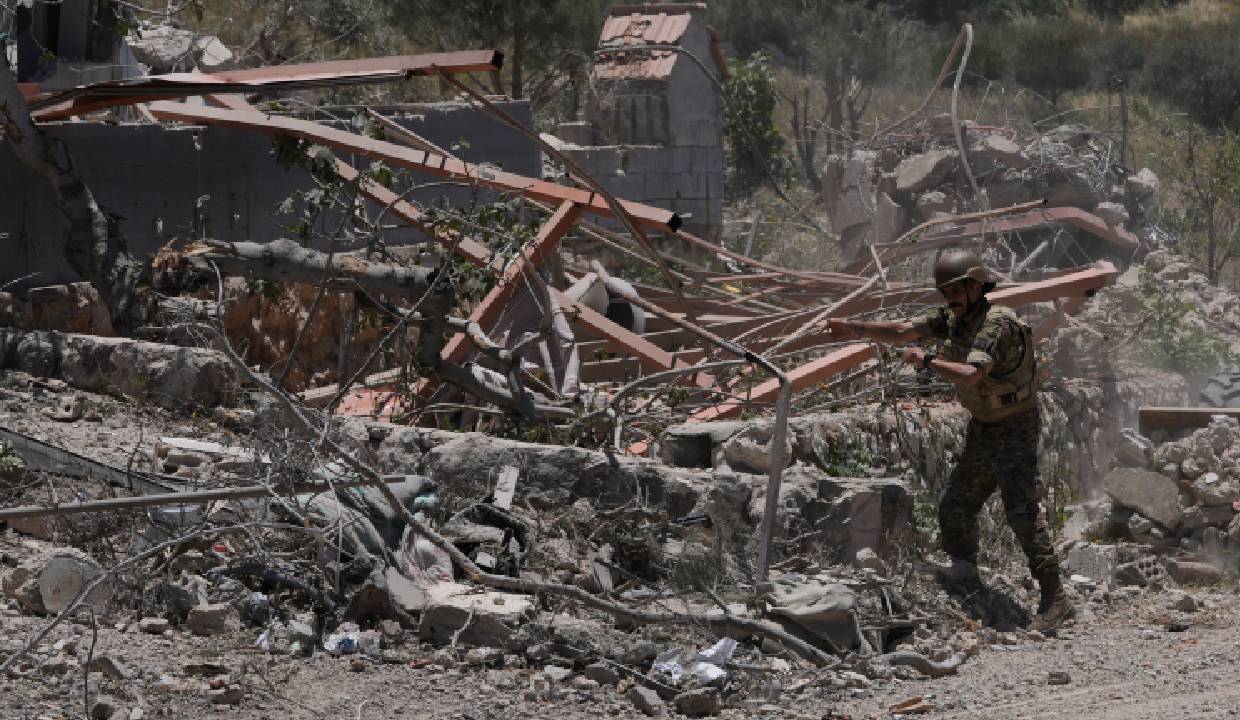
The escalation follows Israeli airstrikes on Hezbollah-linked targets in Beirut’s southern suburbs on Sunday. Israel said the operation was a response to rocket fire launched by Hezbollah into northern Israel. Tehran, however, accused Israel of violating the ceasefire framework and warned of consequences.
The conflict has also widened beyond Israel and Iran. Yemen’s Iran-backed Houthi movement claimed responsibility for missile attacks against Israel and announced a renewed ban on Israeli maritime navigation through the Red Sea, threatening further disruptions to regional shipping routes.
Adding to the geopolitical tensions, US President Donald Trump publicly urged Israeli Prime Minister Benjamin Netanyahu not to retaliate against Iran, warning that military action could jeopardize ongoing diplomatic efforts aimed at securing a broader agreement with Tehran.
Reports indicate that Washington remains engaged in negotiations with Iran over issues including its nuclear programme, regional security arrangements and the reopening of the Strait of Hormuz, a crucial global energy corridor.
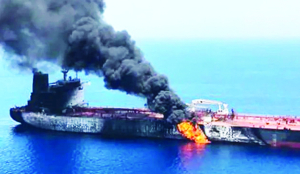
Meanwhile, Israel also confirmed strikes on an Iranian petrochemical facility in Mahshahr near the Persian Gulf. Iranian media reported partial damage to the complex, though details regarding casualties and the extent of destruction remain unclear.
Air raid sirens were heard across parts of Israel, including Jerusalem and central regions, as missile defence systems intercepted incoming projectiles. Iranian authorities have suspended incoming flights to Tehran's Imam Khomeini International Airport amid security concerns.
With both sides continuing military operations and regional proxy groups becoming increasingly involved, fears are growing that the ceasefire brokered in April could completely unravel, potentially triggering a wider Middle East confrontation with significant implications for global energy markets and international security.