Israel hits Iran’s South Pars petrochemical plant
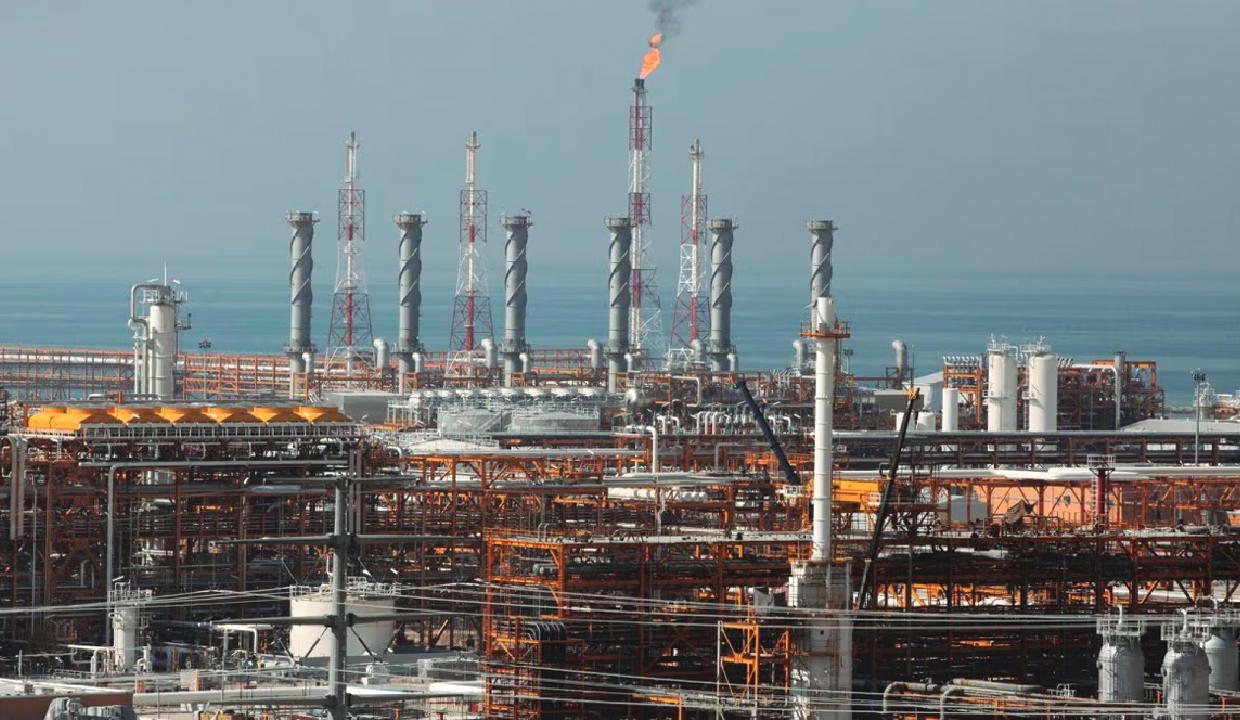
Israel attacked a key petrochemical plant at Iran’s massive South Pars natural gas field and killed a top Revolutionary Guard commander, putting into question the negotiations aimed at getting the US and Tehran to reach a ceasefire.
Israel’s Defence Minister Israel Katz confirmed what he called “a powerful strike on the largest petrochemical facility in Iran” that’s responsible for half of the country’s petrochemical production.
Israel’s military spokesperson, Lt Col Nadav Shoshani, said there would be “no immunity” for Iran as talks progress. The gas field shared with Qatar is the world’s largest and sits under the waters of the Persian Gulf. The White House did not immediately respond when asked about the strike. After Israel’s attack in March on South Pars, Trump said Israel would not attack it again but warned that if Iran continued striking Qatar’s energy infrastructure, the United States would retaliate and “massively blow up the entirety” of the field.
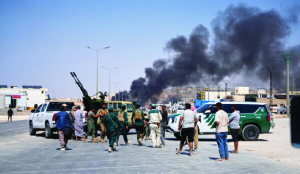
Explosions rang out in Tehran, and low-flying jets could be heard for hours as the capital was pounded. Thick black smoke rose near the city’s Azadi Square after one airstrike hit the grounds of the Sharif University of Technology.
Among those killed in one of the attacks on Tehran was the head of intelligence for Iran’s paramilitary Revolutionary Guard, Major General Majid Khademi, according to Iranian state media and Israel’s defence minister. Israel’s military said it also killed the leader of the Iranian paramilitary Revolutionary Guard’s undercover unit in its expeditionary Quds Force, Asghar Bakeri. Iranian missiles hit the northern Israeli city of Haifa, where four people were found dead in the rubble of a residential building. Kuwait, the United Arab Emirates and Saudi Arabia all activated their air defences to intercept incoming Iranian missiles and drones, as Tehran kept up the pressure on its Gulf neighbours.
Iran’s regular attacks on regional energy infrastructure and its stranglehold on the Strait of Hormuz.
Under pressure at home as consumers are growing increasingly concerned, Trump gave Tehran a deadline that expires Monday night Washington time, saying if no deal was reached to reopen the strait, the US would hit Iran’s power plants and other infrastructure targets and set the country “back to the Stone Age.”