Iran steps back, warns Israel of war
Iran announced on Monday that it has suspended its recent military operations against Israel, while warning that any continued Israeli attacks, particularly in Lebanon, could provoke a significantly stronger response.
The announcement was made through a statement carried by Iranian State media, quoting the country’s senior military command at the Khatam al-Anbiya Central Headquarters. The statement declared that military operations had been halted, signalling a pause in the latest round of hostilities between the two regional rivals.
Despite the announcement, Iranian officials stressed that the suspension should not be interpreted as a sign of restraint in the face of future attacks. Military leaders warned that if Israel continues its operations, including strikes in southern Lebanon, Tehran would respond with measures that are “more severe and decisive” than those seen in the recent confrontation.
The latest escalation followed Israeli airstrikes targeting Beirut’s southern suburbs on Sunday. Iran has consistently argued that attacks on Lebanon undermine the broader regional ceasefire arrangement that includes Tehran and its allies.
Iranian political and military figures had signalled throughout the day that retaliation was likely if Israeli military actions continued.
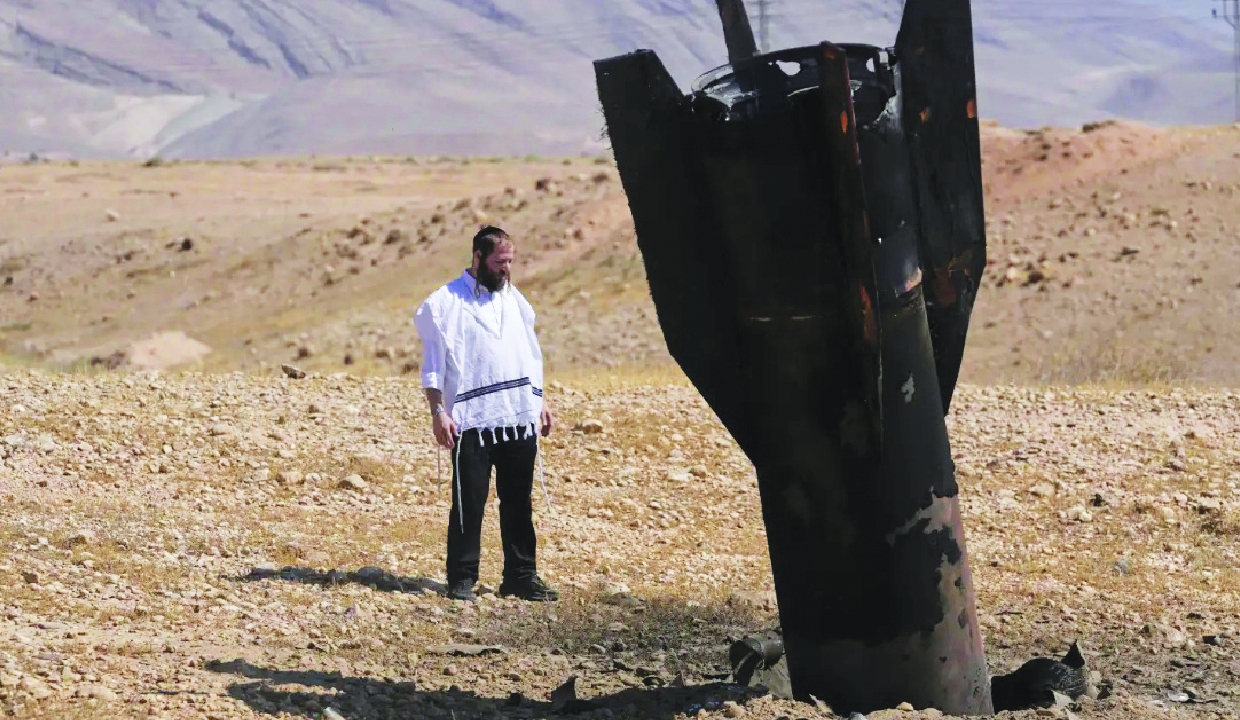
Hours after the Beirut strikes, Iran launched missiles toward Israel, prompting retaliatory Israeli attacks inside Iranian territory. Israeli authorities stated that one of their targets was a petrochemical facility in southwestern Iran, which they claimed was connected to ballistic missile production.
In response, Iran’s Islamic Revolutionary Guard Corps (IRGC) said it carried out strikes against a comparable facility in the Israeli city of Haifa. Iranian media also reported attacks on two Israeli air bases, while Israel’s military announced that it had conducted extensive operations against strategic defense infrastructure inside Iran.
Tensions further intensified as Iranian Foreign Ministry spokesperson Esmail Baghaei accused the United States of supporting Israel’s actions and warned that Washington could share responsibility for any consequences resulting from further escalation.
At the same time, Baghaei indicated that diplomatic communication between Iran and the United States had not been completely severed despite the recent violence.
The regional conflict expanded further when Yemen’s Iran-aligned Houthi movement announced plans to prevent Israeli-linked vessels from operating in the Red Sea. The group also claimed responsibility for missile launches aimed at Israel. The Houthis, who control parts of Yemen along a key global shipping route, had largely remained outside the direct confrontation until now.
According to an Israeli military official, Iran fired nearly 30 ballistic missiles toward Israel since Sunday evening, while Houthi forces launched two additional missiles.
Amid growing concerns over a wider regional conflict, Israeli Prime Minister Benjamin Netanyahu and US President Donald Trump reportedly held a phone conversation on Monday to discuss the situation.
Earlier in the day, Trump called for an immediate ceasefire between Israel and Iran, urging both sides to halt military actions and return to diplomatic engagement to prevent further escalation.