Iran mocks Trump, urges India visit
The Consulate General of Iran in Mumbai took a swipe at US President Donald Trump after he shared a controversial video featuring conservative commentator Michael Savage. In the clip, Savage described countries such as India and China as “hellholes” while criticising US birthright citizenship laws.
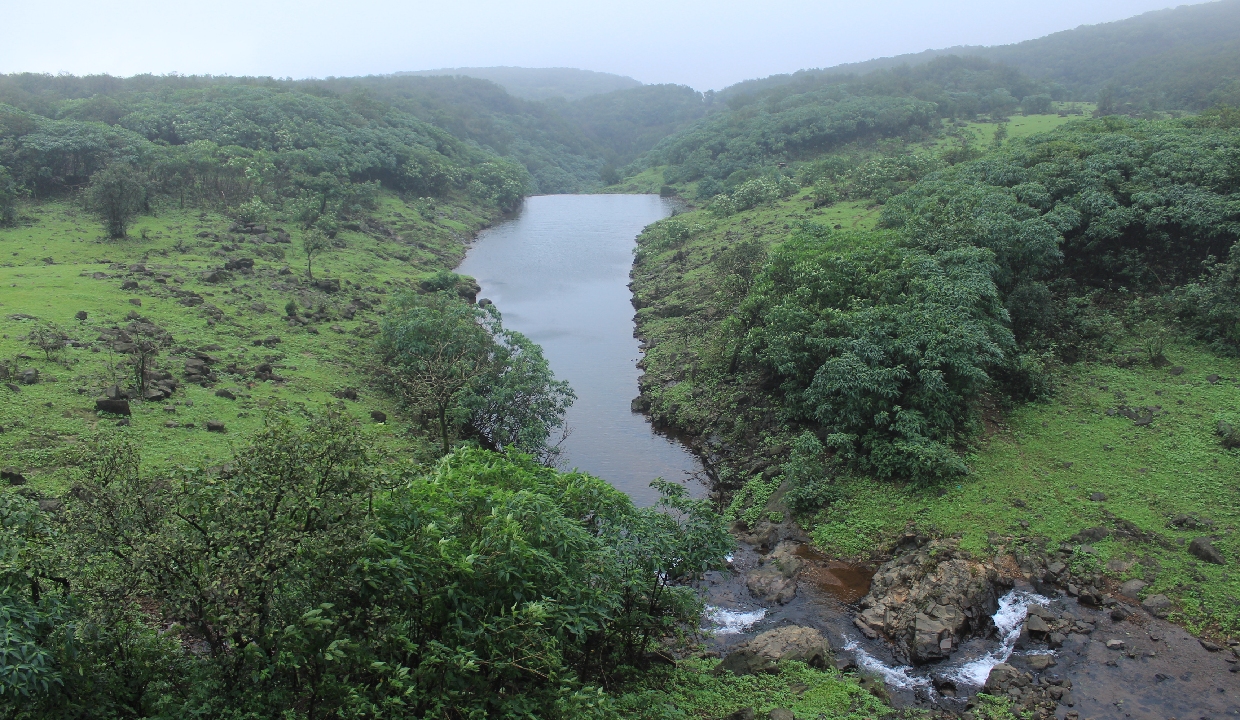
Responding sharply, the Iranian mission posted a video on X highlighting the cultural and geographical diversity of Maharashtra. The visuals ranged from the fast-paced life of Mumbai to vibrant Ganesh Chaturthi celebrations, as well as the serene plateaus of Satara and the scenic Tapi River valley in Khandesh.
In a pointed caption, the consulate suggested that Trump could benefit from visiting India, calling it a “cultural detox.” The post read: “Maybe someone should book a one-way cultural detox for Mr. Trump, it might just reduce the random bakwaas Kabhi India aa ke dekho, phir bolna.” (Come to India and see, then speak).”
A day earlier, Iran’s Consulate in Hyderabad had also issued a strong statement defending India and China, describing them as “the cradles of civilisation.” It further criticised Trump, stating that “the real hellhole” is a place where its “war-criminal president threatened to decimate the civilisation in Iran.”
The diplomatic remarks came after Trump reposted content from Savage’s podcast, Savage Nation, where the host argued against birthright citizenship. Savage claimed that migrants from countries like India and China travel to the United States late in pregnancy to secure automatic citizenship for their children.
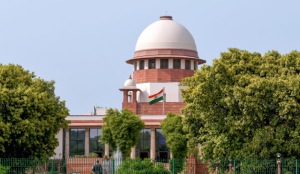
The controversy has added to ongoing debates in the US over immigration and citizenship laws, with Savage calling for a national referendum instead of leaving the issue to the courts. He also criticised the US Supreme Court, which is currently examining related legal questions.
Following the backlash, the American Embassy in New Delhi clarified Trump’s position, stating that he considers India “a great country” and shares a friendly relationship with its leadership.
The episode underscores rising diplomatic sensitivities around public rhetoric, particularly when it involves countries with deep historical and cultural significance like India and China.