Iran fires missiles at Bahrain and Kuwait as Gulf tensions escalate
Tensions in West Asia escalated sharply after Bahrain and Kuwait accused Iran of launching missile attacks against their territories, marking a fresh flare-up in the ongoing regional conflict involving Tehran and the United States.
Bahrain's Foreign Ministry strongly condemned what it described as a "blatant aggression" by Iran, stating that the kingdom and neighbouring Kuwait intercepted seven ballistic missiles fired by the Islamic Republic. The statement said the attacks constituted a serious violation of the sovereignty of both Gulf nations.
The latest exchange followed US military action against Iranian targets. According to the US Central Command (CENTCOM), American forces intercepted four Iranian drones launched toward the Strait of Hormuz before carrying out strikes on Iranian coastal radar installations. The US said the drones posed a threat to maritime traffic in one of the world's most critical energy shipping routes.
CENTCOM later reported that Iran responded by launching seven ballistic missiles toward Bahrain and Kuwait. US officials said six of the missiles were intercepted, while the seventh failed to reach its intended target. Authorities reported no casualties among American personnel, and the US rejected Iranian claims that the Fifth Fleet headquarters in Bahrain had been damaged.
The deteriorating security situation prompted Bahrain to issue an air raid alert, urging residents to move to safe locations. Kuwait also announced that its forces were responding to missile and drone threats amid heightened regional tensions.
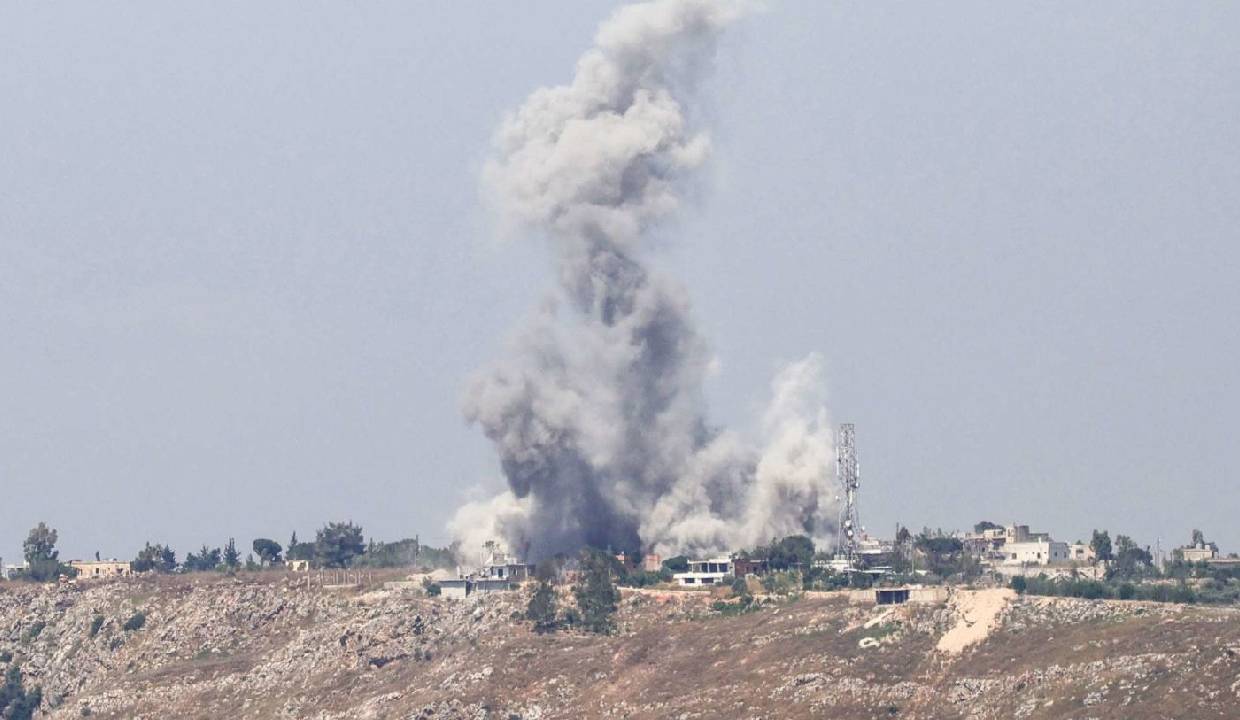
Meanwhile, diplomatic efforts to secure a broader ceasefire continue to face challenges. Iranian officials have indicated that the release of frozen Iranian assets remains a key condition for progress in negotiations with Washington. At the same time, the conflict has continued to spill into neighbouring countries, with reports of Israeli strikes in southern Lebanon and renewed exchanges of rhetoric between Iranian and Lebanese leaders.
The latest developments underscore the fragility of the current ceasefire efforts and raise concerns about the risk of a wider regional confrontation involving multiple countries across the Gulf and the broader Middle East.