India’s EV battery demand to grow 10 times to 200 GWh by 2032: IESA
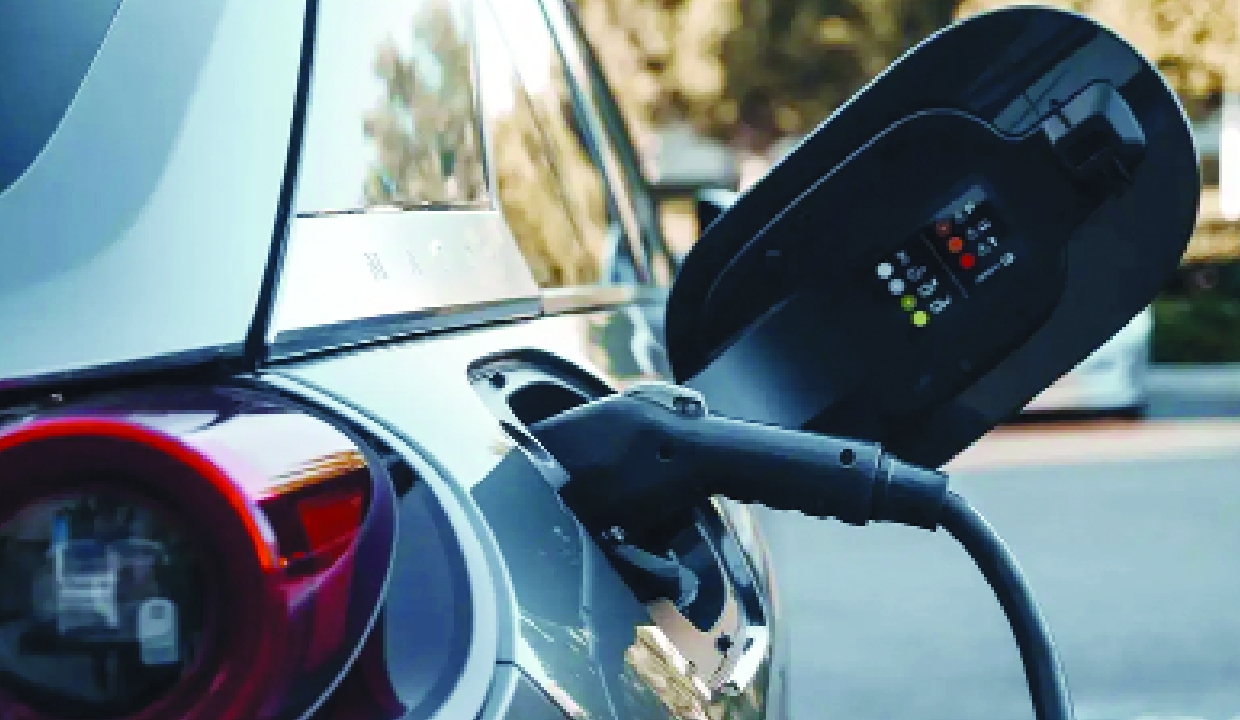
India’s electric vehicle (EV) battery demand is projected to grow 10 times from 20 GWh in 2025 to 200 GWh by 2032, industry body Indian Energy Alliance (IESA) said on Thursday.
Citing a study, IESA said the EV opportunity in India is no longer limited to vehicle manufacturing; the largest strategic gains may lie in component localisation and supply chain development as India positions itself as a global manufacturing hub.
The IESA, in association with Customized Energy Solutions (CES), is set to release the study report titled ‘India EV & EV Component Market Outlook 2025-2034’ at the 12th India Energy Storage Week (IESW), to be held from July 8-10 in the national capital.
The study has found that India’s EV battery demand is projected to rise sharply from 20 GWh in 2025 to 200 GWh by 2032, a tenfold increase, the industry body said.
The EV industry in the country is on the cusp of a significant transformation. What began as a policy-driven transition is now maturing into a sprawling industrial ecosystem encompassing batteries, motors, power electronics, advanced chemistries, localised manufacturing, and robust supply chain investments, IESA said in a statement. “With India’s EV market entering an era of unprecedented growth and battery demand projected to rise tenfold by 2032, the industry’s next leap will be driven by localisation, advanced chemistry, and resilient supply chains,” said Debmalya Sen, President of IESA.
The report noted that India’s EV sales crossed 2.5 million units in 2025, including 1.5 million two-wheelers and 0.7 million three-wheelers, reflecting the rapidly evolving adoption and manufacturing ecosystem.
The report covers a wide spectrum, including the EV market outlook, battery demand forecasts, battery chemistry evolution, component manufacturing trends, supply chain developments, and strategic outlook for the industry through 2034.
Vinayak Walimbe, Managing Director of Customized Energy Solutions, stated, “This report aims to give all stakeholders, from OEMs to investors, the strategic direction required to capitalise on these emerging opportunities.”