India’s crude imports remain resilient: Analysts
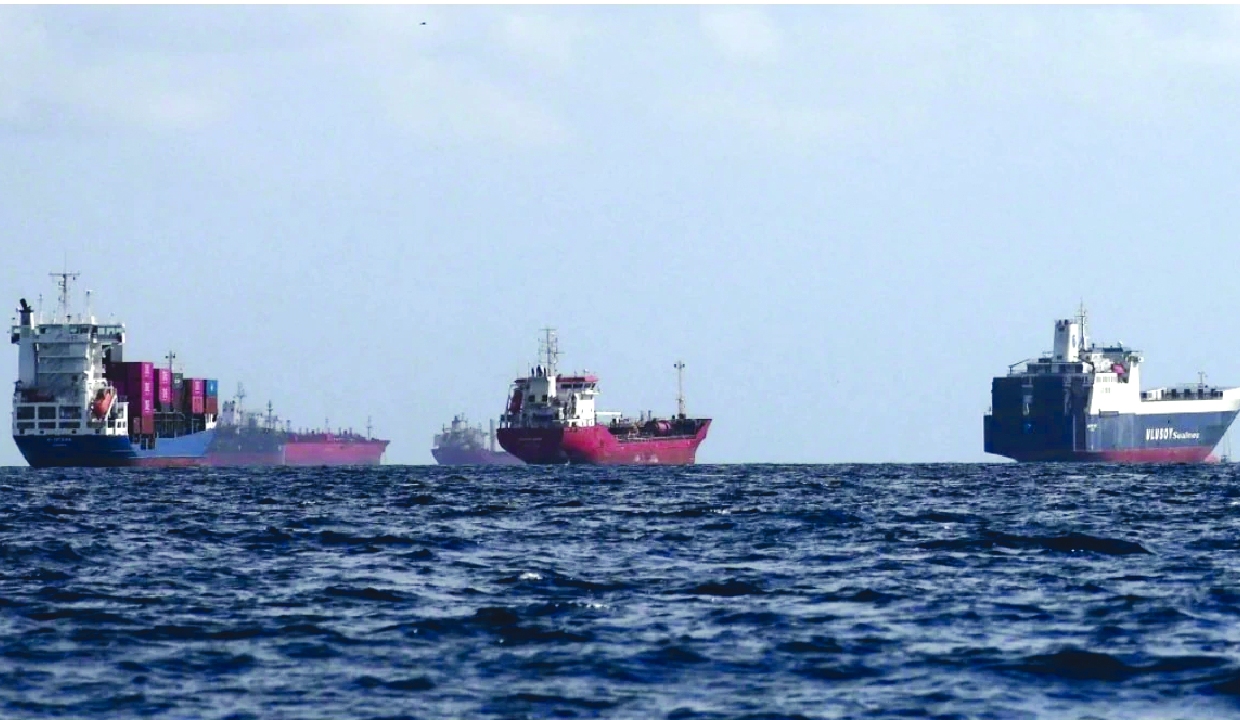
India’s crude oil imports remain well insulated from the latest tensions around the Strait of Hormuz, although prolonged instability could disrupt LPG and LNG supplies and raise shipping costs, according to a Kpler analyst. The latest exchange of fire in the region, following US President Donald Trump’s comments on a ceasefire, has renewed concerns over the security of one of the world’s busiest energy shipping lanes.
However, the impact on India’s crude supplies is likely to be limited because refiners have diversified their sourcing over the past few years, Sumit Ritolia, who models refinery and oil markets at Kpler, said.
“Crude flows through the Strait had not fully recovered before the latest escalation. For India, however, it has largely been business as usual over the past 100 days, with refiners successfully managing supply through a diversified import portfolio,” Ritolia said.
Russia continues to account for a significant share of India’s crude imports, while supplies from Saudi Arabia and the United Arab Emirates routed through bypass infrastructure provide additional supply security. West African and Latin American grades have also helped diversify refinery feedstock, he said.
India’s crude oil imports rose to a record 4.93 million barrels per day (bpd) in June, driven by a sharp increase in purchases from Russia as refiners sought to bolster supplies amid disruptions around the Strait of Hormuz.
Russian crude imports climbed to about 2.7 million bpd, accounting for more than half of India’s total crude imports during the month, cementing Russia’s position as the country’s largest oil supplier by a wide margin.
Ritolia said cargoes that can safely transit the Strait of Hormuz are still expected to move, although freight rates and insurance costs could increase if regional tensions persist.
He added that Iranian crude was unlikely to emerge as a meaningful source of supply for Indian refiners despite any potential disruptions.
“Uncertainty around US sanctions policy, compliance risks, and commercial considerations means Iranian barrels are unlikely to become a meaningful part of India’s crude slate in the near term,” he said.
Instead, Ritolia said markets should focus more closely on liquefied petroleum gas (LPG) and liquefied natural gas (LNG), which have fewer short-term alternatives and remain more vulnerable to Gulf supply and shipping disruptions.
“A prolonged period of instability could tighten availability, increase freight costs, and add pressure to regional prices again, as we have seen over the last few months,” he noted.
“For now, India’s crude supply story remains one of diversification and resilience, not immediate scarcity. The key variables to watch are how long regional tensions persist, the impact on shipping and insurance costs, and whether LPG and LNG markets begin to experience more meaningful disruptions.”