Indian LPG tanker crosses Strait of Hormuz after US-Iran Ceasefire
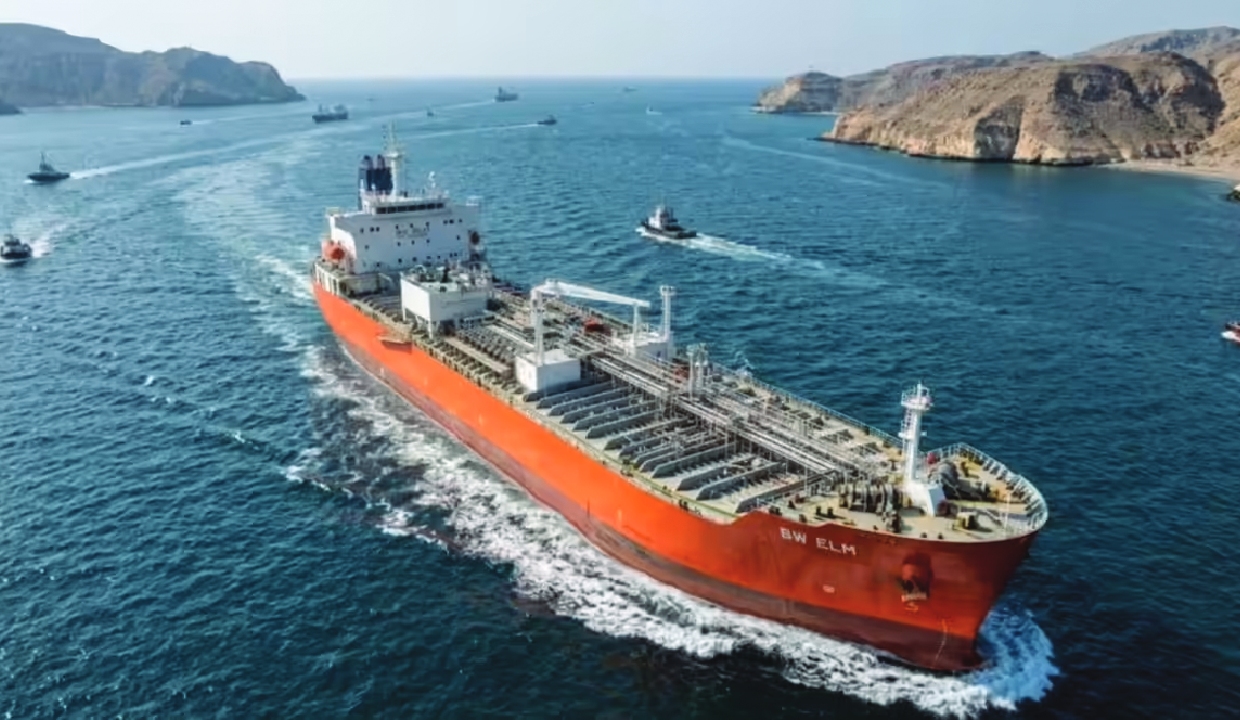
India’s LPG tanker Jag Vikram has successfully navigated the Strait of Hormuz, becoming one of the first Indian vessels to pass through the volatile corridor following a temporary ceasefire between the United States and Iran.
The crossing, completed between Friday night and Saturday morning, highlights both the fragility of maritime trade in the region and the global dependence on this narrow but vital oil and gas transit route.
Owned by The Great Eastern Shipping Company, Jag Vikram is among a small group of Indian-flagged vessels resuming movement from the Persian Gulf since early March, when escalating tensions had disrupted shipping and raised fears of a wider energy crisis.
The Strait of Hormuz, one of the world’s most strategically important chokepoints, handles a significant share of global oil and gas shipments.
Any disruption in this passage has immediate ripple effects on international energy markets, supply chains, and prices.
For India—the world’s third-largest energy consumer—the stakes are particularly high. A substantial portion of its liquefied petroleum gas (LPG) and crude oil imports passes through this corridor, making safe navigation essential for maintaining both industrial activity and household energy access.
The temporary ceasefire between Washington and Tehran has offered a narrow window for shipping operations to resume, easing some of the pressure on global supply chains. The passage of Jag Vikram reflects a tentative return to normalcy, though risks remain elevated.
Industry observers note that while shipments have restarted, companies are continuing to monitor the situation closely, with insurance costs, rerouting decisions, and naval activity still influencing maritime operations.
Despite this breakthrough, the broader geopolitical environment remains uncertain. Any renewed escalation could once again threaten the flow of energy through the region, affecting not just India but economies worldwide. For now, the successful transit of Jag Vikram stands as a cautious but important step—one that underscores how closely global energy security is tied to stability in the Gulf.