India targets Rs 12,500 cr LPG pipeline buildout to cut road transport by 2030
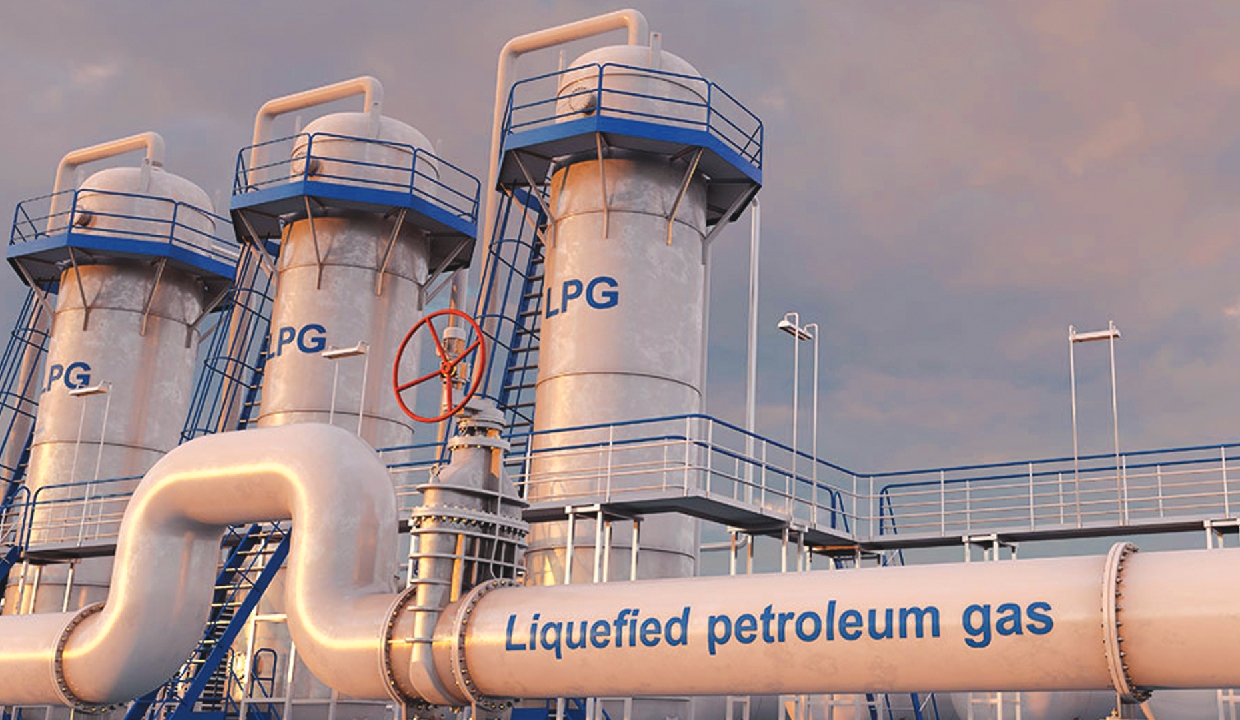
Oil and gas regulator Petroleum and Natural Gas Regulatory Board has initiated a large-scale push to develop liquefied petroleum gas (LPG) pipeline infrastructure, aiming to reduce dependence on road transport and strengthen energy security.
The move is intended to connect refineries and import terminals with bottling plants through pipelines, replacing bulk tanker movement and improving the safety, reliability and efficiency of LPG distribution.
As part of the initiative, the regulator said, it has identified nine pipeline projects and is currently in the process of concluding bids for four key routes, with a combined length of about 2,500 km. These include the Cherlapally-Nagpur, Shikrapur-Hubli-Goa, Paradip-Raipur and Jhansi-Sitarganj pipelines.
The projects are expected to attract investments of around Rs 12,500 crore and play a critical role in streamlining LPG logistics, reducing transit losses and cutting greenhouse gas emissions.
The shift toward pipeline-based transportation is also aimed at phasing out bulk LPG movement by road by 2030, mitigating accident risks and enhancing supply chain resilience.
The regulator said that the initiative would support India’s broader energy transition goals by improving access to cleaner fuels while boosting infrastructure development and regional economic activity.
“India’s LPG consumption in cooking and commercial end use is recognised to be crucial. There is a need to connect ports and refineries with bottling plants efficiently. While pipelines are the preferred mode for its transportation, yet a significant volume is still carried by bulk tankers,” PNGRB said.
The regulator said it has initiated the bidding process for the development of LPG pipeline infrastructure in a significant way to eliminate bulk movement to the extent possible.
“This has marked a major stride towards strengthening India’s energy logistics network and would enhance the reliability, safety, efficiency, and environmental sustainability of LPG transportation across the country. These pipelines would also act as storage at times of need and to address the supply security crisis in the country,” it said.
The proposed pipelines are designed to connect key supply sources, including refineries and import terminals, with LPG bottling plants, thereby ensuring seamless evacuation and distribution of LPG across multiple regions. As part of this initiative, 9 LPG pipeline projects were identified for development.
“PNGRB initiated a suo moto proposal and carried out bidding of these pipelines,” it said, adding that it is in the process of concluding bid proposals of four pipelines.
The cumulative length of these proposed pipelines is 2,500 km.
“These pipelines would attract a tentative investment of Rs 12,500 crore,” it noted. “In view of precedent accidents associated with LPG transportation by road, the modal transfer from road to pipelines would reduce risks involved in road transportation, ensuring safer and more dependable delivery.”
The project would significantly reduce greenhouse gas emissions and contribute to India’s climate goals by replacing fuel transportation via tankers with an efficient pipeline system.
“It is expected to enable seamless, high-volume LPG movement with reduced transit time and minimal losses. These pipelines would not only improve safety and efficiency in the supply chain but also would prove to be more economical over other modes of transportation,” PNGRB said, adding that the pipelines would attract investment, generate employment, and support regional development.
It is proposed that by 2030, road transportation of bulk LPG will be done away with.
“Through this initiative, PNGRB reiterates its commitment to developing robust and future-ready energy infrastructure, promoting the use of cleaner fuels, and supporting the Government of India’s vision of ensuring accessible, efficient, and sustainable energy for all,” the regulator added.