India, Russia eye $100B trade target; Jaishankar calls for removing barriers
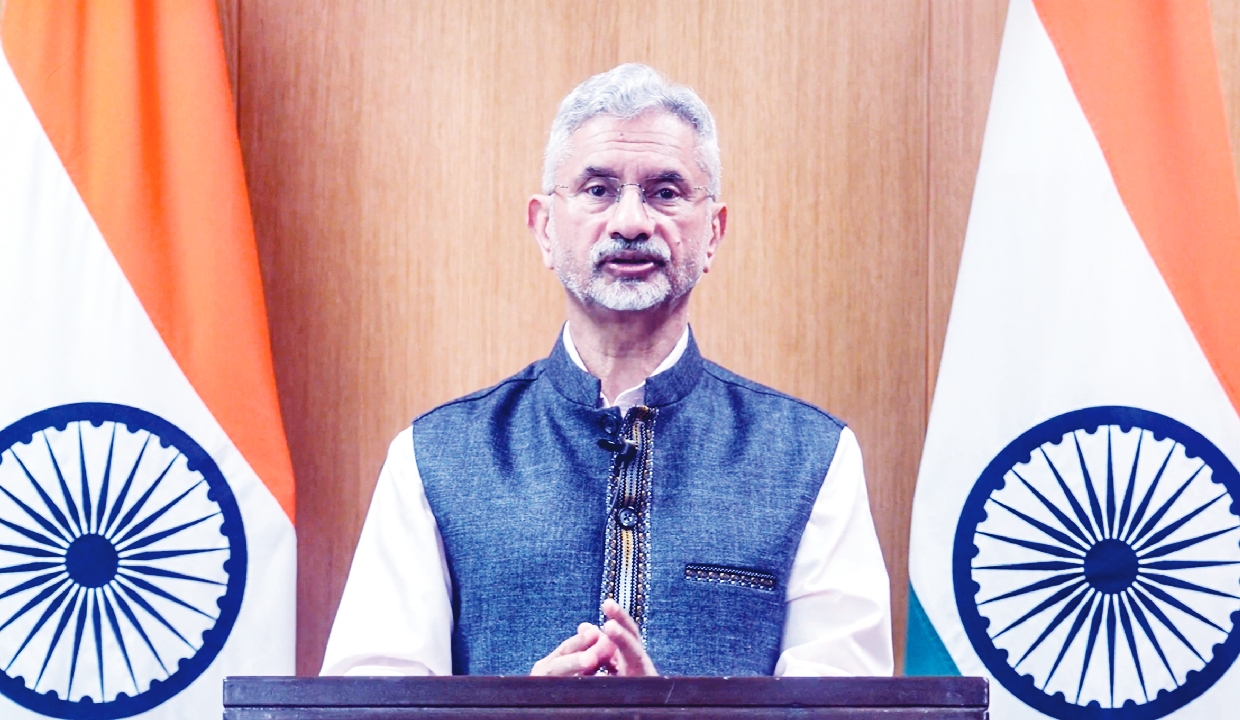
India and Russia must tackle regulatory hurdles and non-tariff barriers to significantly boost bilateral trade, External Affairs Minister S Jaishankar said on Monday, reaffirming New Delhi’s commitment to deepening its long-standing ties with Moscow.
Speaking via video link at a conference on future bilateral cooperation, Jaishankar highlighted that relations between the two countries continue to strengthen despite shifting global dynamics.
He stressed that a changing multipolar world makes closer coordination between India and Russia increasingly important, particularly through forums such as BRICS, the Shanghai Cooperation Organisation, the G20, and the United Nations.
Jaishankar described the India-Russia relationship as a “special and privileged strategic partnership,” built over decades on mutual trust and shared interests. He said both countries are working toward raising annual trade from about $68.7 billion to $100 billion by 2030 in a sustainable and balanced manner.
To achieve this goal, he underlined the need to move forward on a proposed free trade agreement between India and the Eurasian Economic Union, while addressing existing trade obstacles and making better use of India’s skilled workforce.
The minister also referred to outcomes from Vladimir Putin’s visit to New Delhi last December, during which both sides outlined a roadmap to expand economic cooperation over the next five years.
Highlighting sectoral collaboration, Jaishankar called Russia a key partner in India’s civil nuclear energy ambitions, noting that New Delhi aims to expand its nuclear power capacity to 100 GW by 2047.
Russian Foreign Minister Sergey Lavrov praised India’s independent foreign policy and reaffirmed Moscow’s respect for its strategic autonomy. He also expressed hope that Prime Minister Narendra Modi would visit Russia later this year.
Lavrov described the relationship as a “time-tested” partnership and a model for international cooperation based on equality, trust, and mutual respect, emphasising that both nations continue to prioritise each other’s interests amid evolving global challenges.