India deployed nuclear warheads, claims SIPRI
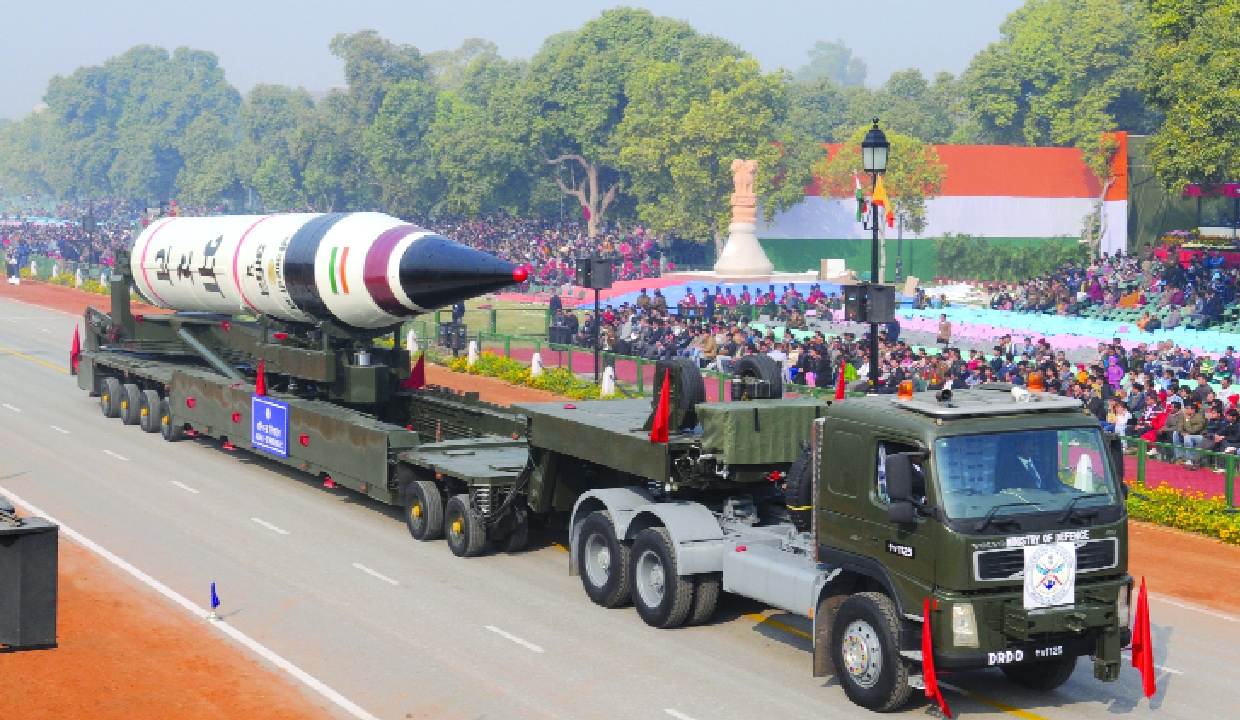
The data from SIPRI reveals that India deployed 12 nuclear warheads in 2025, and China increased the number of deployed warheads from 24 to 34
India has deployed nuclear warheads for the first time and might have slightly expanded its nuclear arsenal in 2025 while continuing development of new types of nuclear-delivery systems, according to the annual report of a Swedish think tank, the Stockholm International Peace Research Institute (SIPRI).
In its report, the SIPRI also said data reveal that India deployed 12 nuclear warheads in 2025, and China increased the number of deployed warheads from 24 to 34 and noted countries were now “increasingly relying on nuclear weapons as instruments of national power.”
The global watchdog also said India has at present 190 nuclear weapons while Pakistan has 170. “India was estimated to have a growing stockpile of about 190 nuclear weapons as of January 2026-a small increase from the previous year. These weapons were assigned to a maturing nuclear triad of aircraft, land-based missiles and SSBNs,” the report released on Monday said.
The Stockholm International Peace Research Institute, on Monday, made public its SIPRI Yearbook 2026 and said approximately 4,012 nuclear warheads remain deployed with missiles and aircraft across the world.
“Of the total global inventory of an estimated 12,187 warheads in January 2026, about 9,745 were in military stockpiles for potential use,” said the SIPRI report.
This would be the first time that the Sipri report shows a part of India’s nuclear warheads as operationally deployed while most of it remained in stockpile.
In May 2025, India and Pakistan — two countries with nuclear weapons - fought a four-day war. With Pakistan using its warheads to blackmail, India, in a way, called its nuclear bluff.
“... World events — not least the outbreak of conflict between nuclear-armed India and Pakistan — are challenging nuclear deterrence logic,” noted SIPRI, adding that dangers associated with nuclear weapons were growing.
The SIPRI counts nine countries with nuclear warheads.
The countries are the US, Russia, the UK, France, China, India, Pakistan, North Korea, and Israel.
The annual report said that 2,100-2,200 of the deployed warheads were kept in a state of high operational alert on ballistic missiles.
“Nearly all of these warheads belonged to Russia or the USA, and, to a lesser extent, France and the UK, but China and India may now occasionally deploy a small number of warheads mounted on missiles during peacetime,” it said.
As of January 2026, India had deployed 12 nuclear warheads while China had 34. In the case of China, it was an increase from 24 in 2025.
While the US has deployed 1,770 warheads, Russia has 1,796. France comes third, having deployed 280 warheads. The UK has deployed 120 warheads.
“India is believed to have once again slightly expanded its nuclear arsenal in 2025,” said SIPRI. The think tank said India also “continued development of new types of nuclear delivery systems”.
India is focused on developing long-range weapons capable of reaching targets throughout China, it said, adding that Pakistan, too, was in the focus of military developments.
On its part, Pakistan was accumulating fissile material in 2025, indicating that it might expand its nuclear arsenal in the coming decade, according to SIPRI analysis.
“The brief armed conflict between India and Pakistan in May 2025 saw India attacking Pakistani air- and missile bases that are likely to have nuclear-related roles, but both sides took steps to avoid escalation,” it noted.
The world’s top arms-tracking organisation, in its latest report reveals a massive departure from decades of New Delhi’s policy where nuclear warheads and delivery systems were kept in separate storage.
The report claimed this is the first time India’s arsenal has been classified as operationally deployed, rather than stockpiled.
The SIPRI report further stated that India’s nuclear weapons stockpile saw a small spike in the last year, while deploying a small number of warheads on a ballistic missile submarine (SSBN) and conducting deterrence patrols.
“India was estimated to have a growing stockpile of about 190 nuclear weapons as of January 2026-a small increase from the previous year. These weapons were assigned to a maturing nuclear triad of aircraft, land-based missiles and SSBNs,” the SIPRI report said.
“It has long been assumed that India stores its nuclear warheads separate from its deployed launchers during peacetime. However, the country’s recent moves towards placing missiles in canisters and conducting sea-based deterrence patrols suggest that India could be shifting in the direction of mating some of its warheads with their launchers in peacetime,” the report said.
India follows the “no first use” policy when it comes to nuclear weapons. India commits to not being the first to initiate a nuclear strike. Nuclear weapons will only be used in retaliation against a nuclear attack on Indian territory or on Indian forces anywhere. India maintains a limited but effective nuclear arsenal. The capability is designed purely to deter potential aggressors rather than engage in an arms race.