In a first, Supreme Court allows passive euthanasia
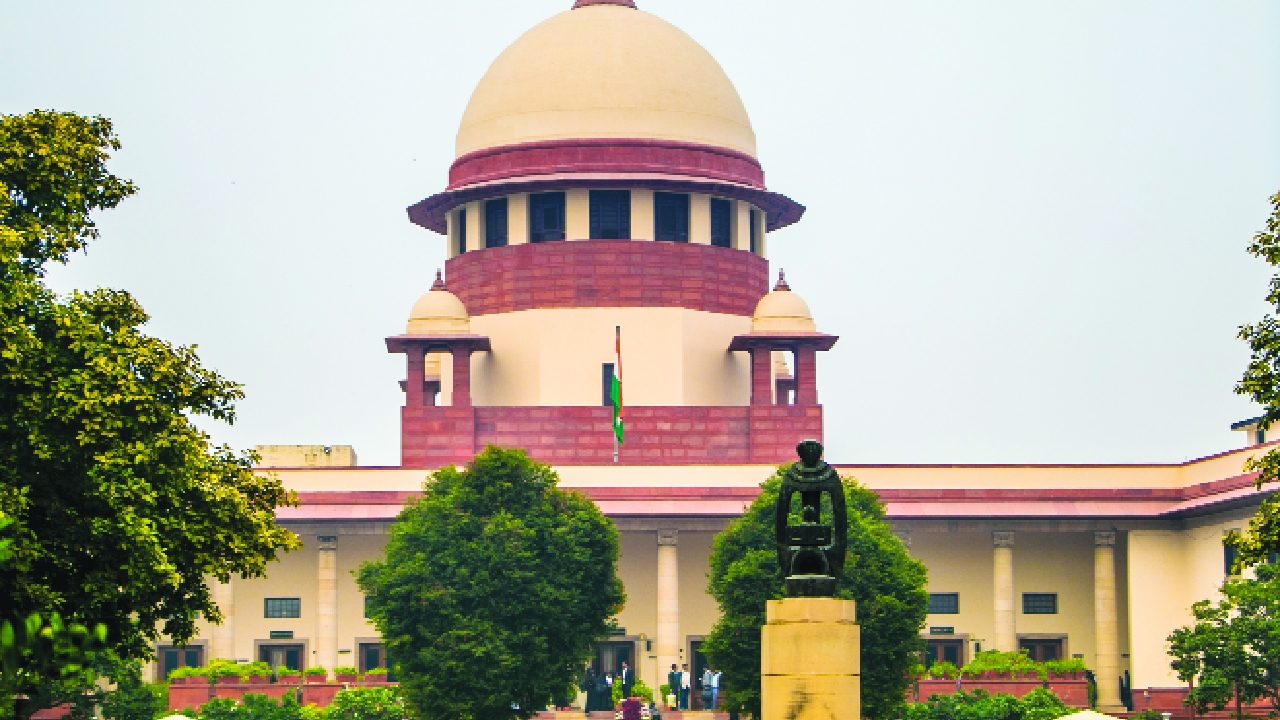
In a landmark decision, the Supreme Court (SC) on Wednesday allowed the withdrawal of life support for a 32-year-old man who has been in a vegetative state for over 13 years following a tragic accident, acting on a request from his parents. The ruling is the first such direction in an individual case after the court’s 2018 judgment permitting passive euthanasia.
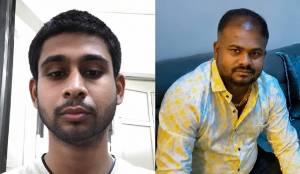
Harish Rana, a student of Panjab University, suffered severe head injuries after falling from the fourth floor of his paying guest accommodation in 2013 and has remained in a coma since.
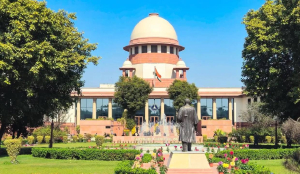
A bench of Justices JB Pardiwala and KV Viswanathan delivered the verdict, allowing passive euthanasia in line with the court’s Common Cause v Union of India ruling, later modified in 2023, which recognised the right to die with dignity. The bench said a person may choose death when life is prolonged artificially with no hope of recovery and it undermines dignity.
During the hearing, Justice Pardiwala was visibly emotional while noting that Rana had once been “a bright young boy” before the accident changed his life.
The court directed All India Institute of Medical Sciences to admit Rana and prepare a detailed plan to withdraw life support while ensuring dignity. It also urged the Union Government to consider enacting a law on passive euthanasia, which is currently allowed only through judicial guidelines and medical board review.
The judgment clarifies how passive euthanasia can apply when a patient is sustained through feeding tubes-an issue not clearly defined earlier. Passive euthanasia involves allowing a patient to die by withholding or withdrawing life-sustaining treatment.
The bench acknowledged the family’s long struggle. “Though the agony will not be entirely wiped off, the distress they experience due to what Harish is undergoing will at least be over,” the court said. It also praised the parents and siblings for caring for him for more than 12 years. Reflecting on life and death, the court quoted a Sanskrit verse and words by Henry Ward Beecher, and referred to William Shakespeare’s dilemma of “to be or not to be”. The bench noted that despite its earlier rulings and reports by the Law Commission of India, the issue remains largely unregulated. It said judicial guidelines were meant only as a temporary constitutional bridge until Parliament enacts comprehensive legislation.