Imports, refunds saved GST
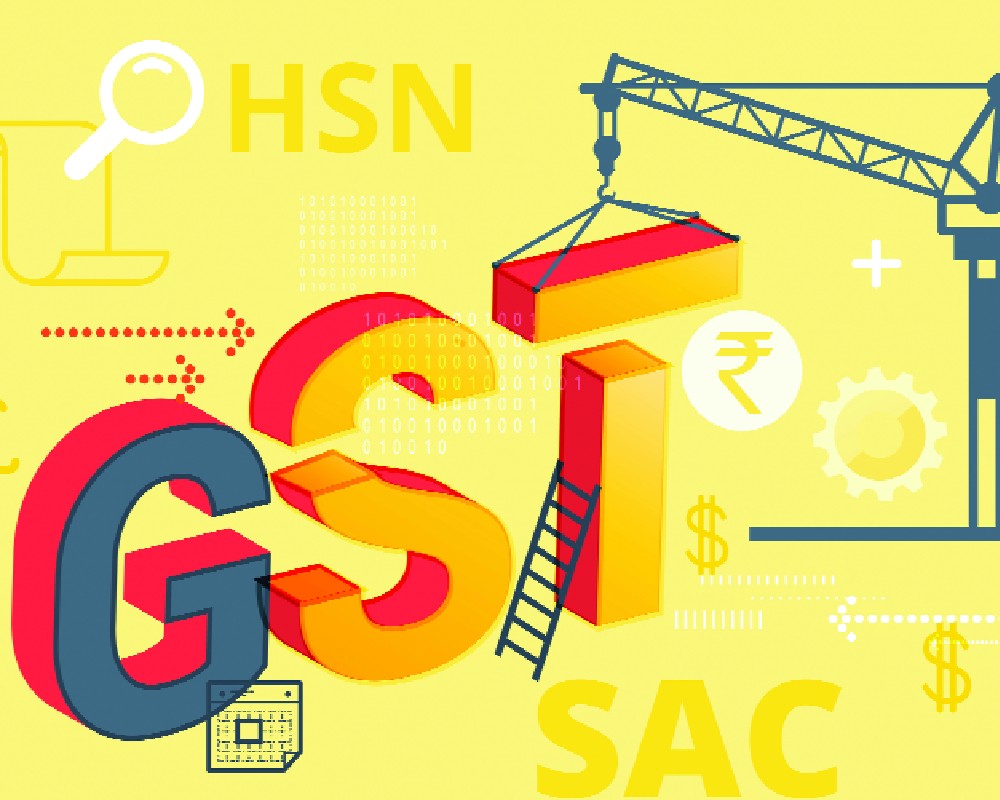
Since it does take time to read the fine print, and read between the lines, most newspaper headlines on December 2 look like the media entities heaved a sigh of relief. Why not? After all, the GST collections declared for November 2025 appeared to be marginally, or 0.7 per cent, higher than the figure for the same month in the previous year. This was considered a success story, given that the GST 2.0 regime was implemented on September 22, 2025, and included across-the-board cuts in rates for most products and services categories, along with the reduction in the number of slabs.
For instance, there is zero GST on medical and life insurance, which would take away a chunk of revenues. Include a clutch of items of daily consumption, whose rates were in the region of 12 or 18 per cent, and sometimes 28 per cent, earlier but fell to either five per cent, and even zero per cent under the new dispensation. Given this scenario, a decline in GST collections was expected in November 2025. But pause for a while, and read the fine print. One realises that rather than a marginal increase, it is quite possible that the collections really declined, and declined significantly.
Let us look at the various trends. The collections for most of the major states, which collect a bulk of the revenues, reported a decline in November 2025. For instance, the figure for Haryana declined by six per cent, Uttar Pradesh by seven per cent, West Bengal by five per cent, Gujarat by seven per cent, and Tamil Nadu by four per cent. Mysteriously, amidst this fall, the collections in two of the largest states, Maharashtra and Karnataka, grew by three per cent, and five per cent, respectively. This is an example of the deep-rooted mysteries of the economic data in the country.
After all, if GST collections in most major states fell, what prompted the rise in Maharashtra and Karnataka, which happened to be large contributors to the combined pool? This is just a part of the puzzle. Let us dive deeper into the fine print, and one realises the factors that may have contributed to a situation where the collections were shown to be marginally higher or flat, when they could have been considerably lower. The trick, it seems, was in the collections for imported goods and refunds. Let us look at the numbers again.
The domestic GST collections declined by 2.7 per cent. This means that what analysts and economists predicted happened because of a significant reduction in the rates across the various slabs. But the same did not happen with IGST, or imported goods and services. In fact, there was a 10.2 per cent rise, which is quite surprising. This adds up to a substantial number. So, if the IGST collections were aligned with CGST ones, and the latter denote the domestic element, then possibly there could have been a shortfall.
Let us turn our attention to refunds. Normally, refunds account for a substantive portion of the gross GST collections. After deducting them, the net GST figures are calculated, and released by the Government. In the case of November, 2025, after deduction of the refunds, the net collections were estimated in the region of Rs1.7 lakh crore. There is a catch here. There has been a 11 per cent decline in the amount refunded. In terms of absolute numbers, this works out to a substantive figure. What does this mean?
It implies that if refunds were in the same nature as was prevalent in the past, and if the collections on imports were aligned with the domestic ones, there would have been a huge shortfall in November 2025. Forget about the marginal increase that marked the newspaper headlines, there would have been a decline in collections. Remember that the collections for November 2025 really mean the GST for the products that were sold in the previous October month. October was the month when the consumers went on a shopping orgy during the festive period across malls, and e-commerce platforms.
Indeed, let us not forget that GST 2.0 kicked in on the first day of Navratri to boost festive buying, which was preceded by the increase in the personal income tax exemption limit to Rs12 lakhs a year. There were more disposable incomes with the buyers, and the prices of most goods, ranging from two-wheelers, cars, tractors to items of daily consumption went down. Yet, GST collections declined. In fact, this should not have been surprising. After all, the revenue secretary had disclosed during a press conference when GST 2.0 was unveiled that there could be a shortfall or a decline in gross revenues of Rs48,000 crore a year. It was inevitable until volumes picked up.
What is indeed surprising is how the November figures showed a marginal growth in collections. Beyond the cynicism, there is still good news. Consumer sentiments have improved, and sales of both consumer durables and items of daily necessities in November witnessed a steady rise that augers well for not just GST collections in the months ahead, but for the Indian economy. But why the data was presented in the way it was remains a mystery. One can ascribe various factors to it, but they will be in the realm of speculation.
One can add two issues to the debate. The first is that whether it is income tax, or GST, the Government is indeed going slow on refunds. The relevant departments contend that there are doubts, and the returns and payments need to be analysed. In the case of personal income tax, there is a feeling that refunds are high, especially for high-income taxpayers. In the case of GST, there are concerns related to input tax credit, which has been misused. As an indication, the officials have intensified investigations to plug the loopholes.
At the same time, there may be a genuine reason for the low GST collections in November 2025, which essentially refer to the goods sold in October. In the case of several products, such as two-wheelers and cars, and consumer electronics and home appliances, dealers had built up large inventories on which GST was already paid. During the festive season, and especially in October, these were sold. Since the firms had publicised the new prices after GST cuts, the dealers took a hit as they sold the goods at lower prices. The sales of these products would not reflect in the November GST collection data.
The author has worked for leading media houses, authored two books, and is now Executive Director, C Voter Foundation; views are personal