Gurugram web developer fired after viral ‘Rs 370 Biryani’ remarks at comedian Pranit More’s show
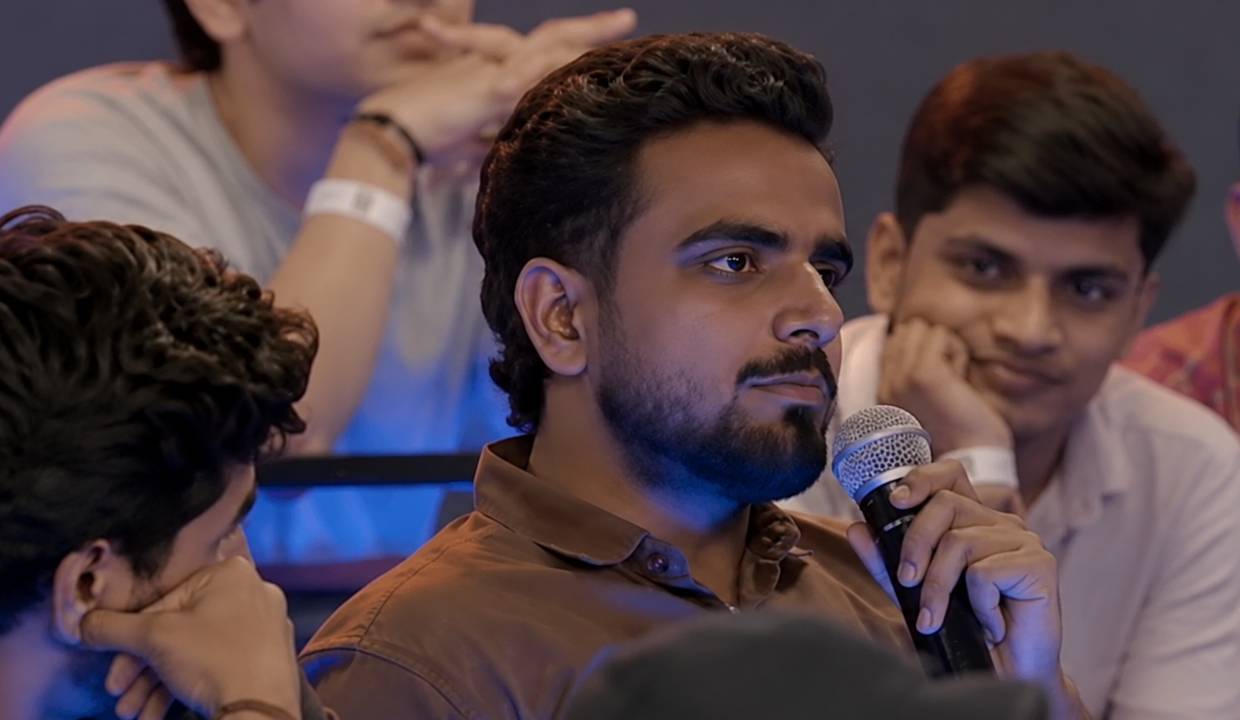
A Gurugram-based web developer has been terminated from his job after remarks he made during a stand-up comedy show by comedian Pranit More sparked widespread outrage on social media and triggered a broader debate on misogyny, consent, and dating culture.
The employee, identified as Himanshu Jangra, was working with Gurugram-based company Starvik Design. He came under criticism after a video from the comedy show went viral online.
During an audience interaction at the event, Jangra recounted a dating experience in which he spent Rs 370 on a plate of chicken biryani and suggested that the expenditure entitled him to something in return. The comments drew sharp criticism from social media users, who viewed them as reflective of a troubling attitude towards consent and relationships.
The controversy intensified after clips from the show circulated widely online, prompting hundreds of messages and complaints directed at Starvik Design.
In a statement posted on Instagram, Starvik Design founder Vivek Vishwakarma said the company did not support or endorse the remarks made in the viral video.
He stated that an internal review was conducted and that colleagues who had worked with Jangra, including female employees, described him as professional and respectful in the workplace. However, Vishwakarma noted that the public controversy had begun affecting the company, its employees, and its professional environment.
As a result, the company decided to terminate Jangra’s employment, citing its responsibility towards staff, clients, and workplace culture.
The incident has since evolved into a wider public discussion on issues of consent, entitlement, and gender attitudes in modern dating. Many social media users argued that the backlash reflected growing intolerance toward comments perceived as normalising disrespectful behaviour toward women.
The episode also drew attention to reactions during the comedy show itself, with critics questioning whether such remarks should have been treated as humour.
The controversy continues to generate debate online about societal attitudes towards women, personal accountability, and the influence of public platforms on social discourse.