GTRI urges Govt to scrap proposed October 15 UPI charges
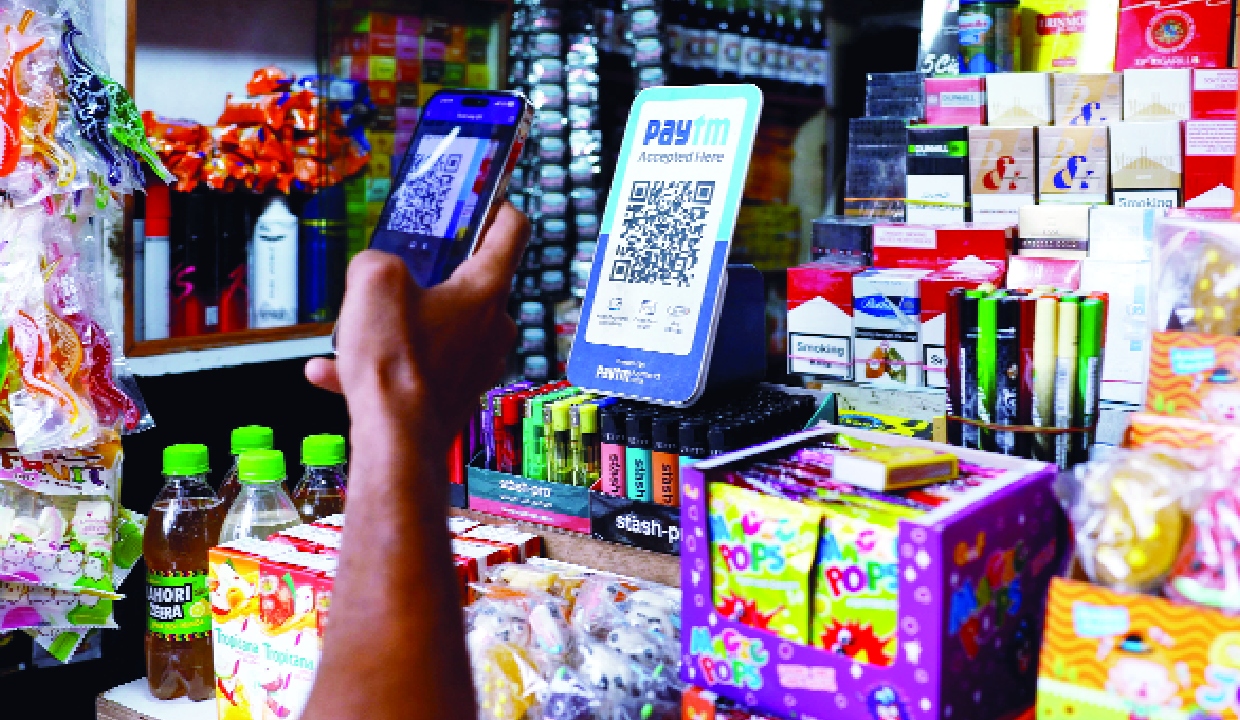
The Government should withdraw the proposed UPI charges, scheduled to take effect on October 15, and keep the digital payment system free for merchants and consumers, economic think tank Global Trade Research Initiative (GTRI) said on Thursday. It said that charging merchants could raise prices, squeeze small business earnings and weaken household demand.
The charges would also reduce UPI’s price advantage over cards, benefiting US card networks and payment platforms, the GTRI said, adding that an independent audit should establish and publish UPI’s actual running costs.
“The Government should withdraw the proposed UPI charges scheduled to take effect on October 15 and keep UPI free for merchants and consumers,” said GTRI Founder Ajay Srivastava.
Ending nearly six years of fully free UPI payments, the Government has introduced a 0.4 per cent fee on transfers worth more than Rs 2,000 made to merchants through the platform from October 15, while explicitly ring-fencing everyday person-to-person transactions as well as small payments from any charge.
Srivastava said that banks save on handling cash and operating ATMs and branches when customers use UPI, and payment apps gain customers’ spending data and opportunities to sell loans, insurance and mutual funds in a market serving more than 55 crore Indians. The Government, he said, benefits from wider digital payments and greater visibility of economic transactions. “These benefits support the case for sharing UPI’s running costs. If these institutions fund the system, UPI can remain free and preserve its advantage over cards. Charging merchants reduces that advantage and creates commercial opportunities for competing payment networks,” he said.
He added that PhonePe and Google Pay, which together handle more than 80 per cent of UPI transactions, could earn a share of merchant fees if the fee-sharing arrangement provides for it. “Their market dominance would give them a large potential base for such earnings,” Srivastava said, adding, “Visa and Mastercard could benefit when UPI loses part of its price advantage. Free UPI allows merchants to receive the full payment. An MDR reduces that benefit and could make cards more competitive. The card networks also seek access to UPI comparable to that enjoyed by RuPay credit cards.”
India should resist US pressure to weaken UPI, drawing on Brazil’s defence of Pix, its domestic digital-payment system, he said, adding that UPI’s affordability and widespread acceptance are economic strengths that India should preserve.